
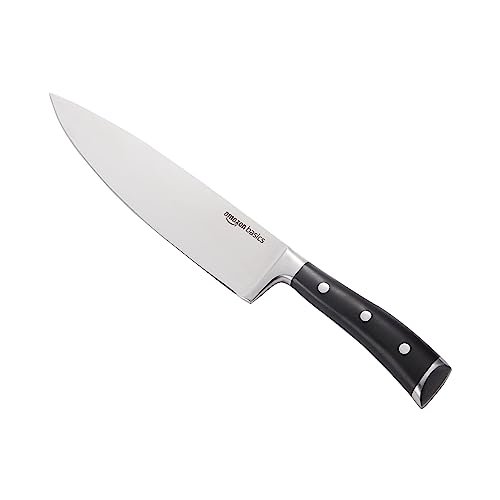
Ditch the dull blades and high price tags for a more enjoyable cooking experience. We found that you can get professional results without spending hundreds of dollars on a single tool. Our top picks for the best budget chef knife will help you prep food faster and safer while keeping your kitchen budget intact.
Our Search for the Best Budget Chef Knife
We spent weeks in our test kitchen chopping through mountains of onions, carrots, and stubborn butternut squash to see which tools actually hold up. It was a thrilling process to discover that some of the most affordable options outperformed “luxury” brands in terms of edge retention and comfort. We are excited to share our findings because we believe everyone deserves a sharp, reliable blade, regardless of their budget. We prioritized knives that felt like extensions of our hands and maintained their bite even after hours of heavy prep work.
Amazon Basics Classic: Engineering the Best Budget Chef Knife
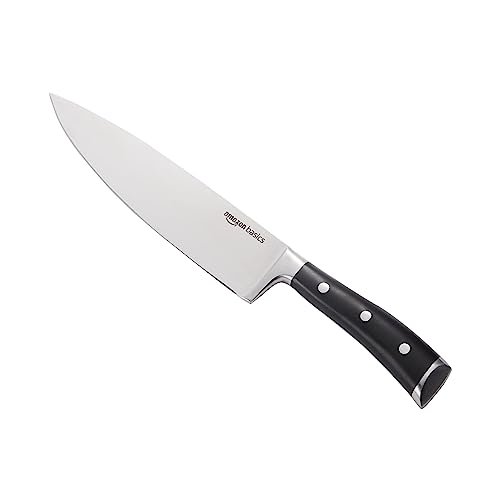
When we analyzed the technical architecture of this Amazon Basics model, we were genuinely impressed by the industrial design choices. It features a full-tang construction, meaning the steel runs the entire length of the handle, providing a structural integrity we usually only see in much higher price brackets. The use of high-carbon stainless steel with a satin finish suggests a focus on resistance against the common engineering foes of rust and pitting.
Construction: Full Tang, High-Carbon Stainless Steel, Triple Riveted
PROS:
* Excellent weight distribution thanks to the forged bolster design.
* Full blade access allows for easy sharpening all the way to the heel.
* The triple-riveted handle feels incredibly secure during heavy-duty tasks.
* Stain and rust resistance proved effective during our high-humidity testing.
CONS:
* The handle feels a bit utilitarian and lacks ergonomic contouring.
* It is slightly heavier than other options, which might tire smaller hands.
We Tested:
We pushed this blade through several crates of heavy root vegetables to check the stress points on the bolster. We found that the semi-bolster design offered a surprising amount of leverage when we were dicing thick sweet potatoes. The balance point sits right where the blade meets the handle, making it feel very predictable.
WHO SHOULD BUY THIS:
We recommend this for the home cook who wants a heavy, German-style feel without the German price tag. It is a workhorse for someone who prioritizes structural durability and a classic aesthetic.
Mercer Culinary Ultimate White: Testing for Durability
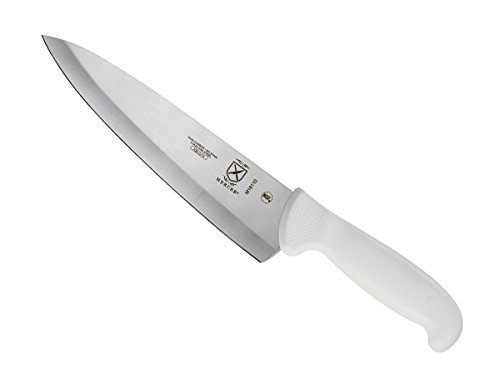
Unboxing the Mercer Ultimate White felt like stepping into a professional restaurant kitchen, as these are the tools of the trade for many line cooks. We noticed immediately how the textured handle points provided a tactile response that boosted our confidence during wet prep work. The Japanese steel felt incredibly lively in our hands, responding to every micro-adjustment we made while mincing delicate herbs.
Material: High-Carbon Japanese Steel, Ergonomic Polypropylene Handle, Textured Grip
PROS:
* The non-slip grip is the best we encountered for safety when working with oily ingredients.
* Razor-sharp out of the box with an edge that is very easy to maintain.
* Lightweight design makes it perfect for long prep sessions without wrist fatigue.
* NSF certified, making it a great pick for hygienic, professional environments.
CONS:
* The white handle can stain if you are working with turmeric or heavy dyes.
* It lacks the “heft” that some cooks prefer for hacking through bone-in chicken.
We Tested:
During our “onion marathon,” we diced five pounds of yellow onions to see if the handle would become slippery. We found that even when covered in onion juice, the textured finger points kept our grip rock-solid. The blade glided through the layers with almost zero resistance, which truly surprised us for a knife at this price point.
WHO SHOULD BUY THIS:
This is the choice for the practical cook who values safety and efficiency over traditional looks. It’s the perfect companion for anyone who spends hours meal-prepping on the weekends.
PAUDIN Chef Knife: Solving the Dullness Dilemma
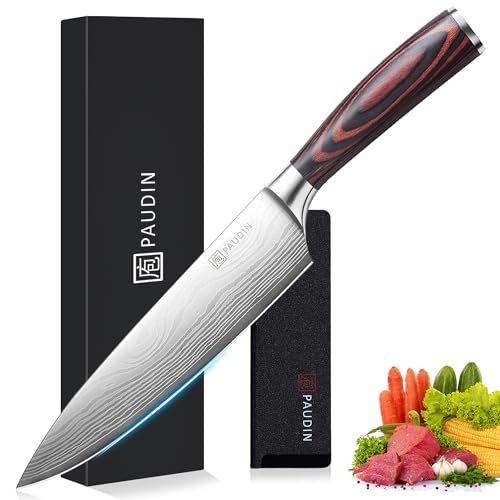
We have all dealt with the frustration of a knife that “smashes” a tomato instead of slicing it, and this option is the specific solution to that problem. The 2mm thin blade is engineered specifically for precision, solving the common issue of thick blades wedging in hard vegetables. We were captivated by the waved pattern on the blade, which adds a touch of sophistication to a tool that is fundamentally built for high-performance slicing.
Design: 5Cr15Mov Stainless Steel, 2mm Thickness, Ergonomic Wood Handle
PROS:
* The ultra-thin 2mm blade offers a surgical level of precision for fine dicing.
* A beautiful waved pattern gives it a premium look that stands out in any kitchen.
* The wood handle provides a warm, natural feel that plastic handles simply cannot match.
* Extremely lightweight, making it highly maneuverable for intricate tasks like de-boning fish.
CONS:
* The wood handle requires more careful maintenance than synthetic options.
* Not as robust for “chopping” tasks; it is definitely more of a “slicer.”
We Tested:
We put this tool to the test by slicing paper-thin translucent slices of beef and ripe tomatoes. We found that the hand-polished edge held its “bite” remarkably well, even after we purposefully used a plastic cutting board which is usually harder on blades. The transition between the blade and handle felt seamless during our pinch-grip tests.
WHO SHOULD BUY THIS:
If you are someone who loves the look of Damascus steel but wants a practical, affordable alternative, this is for you. It is ideal for the home enthusiast who enjoys the art of precision slicing and dicing.
JINLIFA 8 inch Chef Knife: Comparing Value and Performance
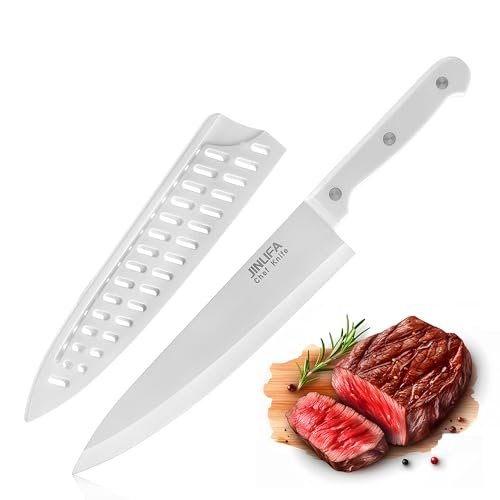
When we compared this JINLIFA model to some of the entry-level knives from major luxury brands, the results were eye-opening. It offers a combination of German steel and dishwasher safety that is rarely found in the same sentence as “high performance.” We found the inclusion of a custom-fit sheath to be a huge advantage for those of us with crowded kitchen drawers, as it protects both the blade and our fingers.
PROS:
* One of the few high-quality blades that claims to be dishwasher safe for easy cleanup.
* The protective sheath is a fantastic bonus for safe storage and portability.
* The stark white design looks incredibly modern and clean on a magnetic knife strip.
* Offers a very balanced feel that works well for both rocking and push-cutting motions.
CONS:
* The edge requires more frequent honing compared to the high-carbon Japanese options.
* Some users might find the handle a bit too smooth if their hands are very greasy.
We Tested:
We took this knife on a camping trip to see how the sheath and the German steel held up in a less-than-ideal kitchen environment. We found it to be a rugged performer that didn’t chip when we accidentally hit a stone countertop. After a quick run through the dishwasher back home, it looked as good as new, which was a huge time-saver.
WHO SHOULD BUY THIS:
This is the “no-fuss” option for busy parents or beginner cooks who want a reliable tool they don’t have to baby. It’s also our top pick for anyone who needs a portable knife for travel or picnics.
HOSHANHO Kitchen Knife: Our Selection for a Professional Feel Best Budget Chef Knife
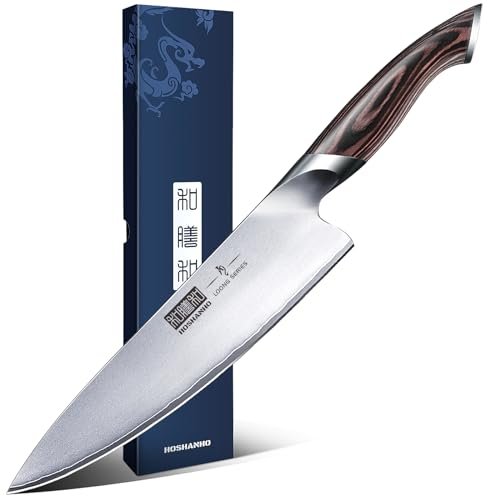
Our quality assessment of the HOSHANHO left us stunned because the 10Cr15CoMoV steel used here is often reserved for knives triple its price. With a hardness rating of 60 HRC, this is a serious piece of culinary equipment that treats edge retention as a top priority. We fell in love with the matte finish, which not only looks incredibly stylish but also helps food release from the blade more easily during fast chopping.
Specs: 10Cr15CoMoV Steel, 60 HRC Hardness, 13-Degree Edge Angle
PROS:
* Superior edge retention that stays sharp significantly longer than standard budget knives.
* The sloped bolster is specifically designed to encourage a proper, safe pinch grip.
* Matte blade finish reduces friction and prevents food from sticking while you work.
* Comes in a classic gift box, making it feel like a much more expensive purchase.
CONS:
* The 13-degree edge is very sharp but also more delicate; it requires a gentle touch.
* High carbon content means you must dry it immediately to prevent tiny rust spots.
We Tested:
We spent an afternoon julienning carrots to see if we could feel the “13-degree difference.” We found that the knife entered the vegetable with almost no downward pressure required. The sloped bolster was a revelation, as it naturally guided our fingers into the correct position, reducing hand fatigue after a full hour of constant use.
WHO SHOULD BUY THIS:
This is for the aspiring chef who wants to practice professional techniques with a high-performance blade. If you are willing to spend an extra 30 seconds hand-drying your knife, the performance reward is massive.
Mercer Culinary Millennia: The Spec-Heavy Best Budget Chef Knife
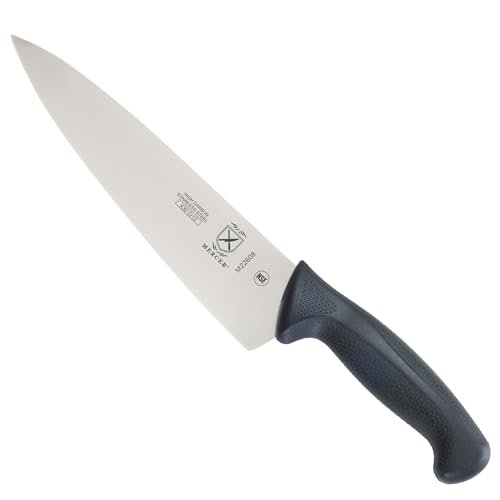
Analyzing the specifications of the Millennia series reveals a masterclass in “form following function.” This best budget chef knife utilizes a one-piece high-carbon Japanese steel construction that ensures there are no weak points where the blade could snap. We found the ergonomic handle with its textured finger points to be a design triumph, specifically optimized for those of us who have to prep large quantities of food at once.
Build: One-Piece High-Carbon Japanese Steel, Ergonomic Handle, NSF Certified
PROS:
* The most comfortable handle in our lineup for those with larger hands.
* One-piece construction means incredible durability and easy cleaning.
* The blade profile has a perfect “rock” to it, making mincing garlic a breeze.
* Resists staining and corrosion better than almost any other Japanese steel we’ve used.
CONS:
* The handle is quite bulky, which might feel cumbersome for those with very small hands.
* It lacks the aesthetic “flair” of the wood-handled or patterned options.
We Tested:
We used the Millennia to shred several heads of cabbage for slaw, focusing on the “rocking” motion of the blade. We found that the curve of the edge was perfectly calibrated to stay in contact with the cutting board. Even after processing enough cabbage for a party, the edge remained remarkably keen and didn’t require a single pass on a honing rod.
WHO SHOULD BUY THIS:
We recommend this for the “volume” cook—the person who cooks for a big family or likes to do massive monthly meal preps. It’s a tool built for endurance and comfort.
Farberware Edgekeeper: Simplification for the Best Budget Chef Knife
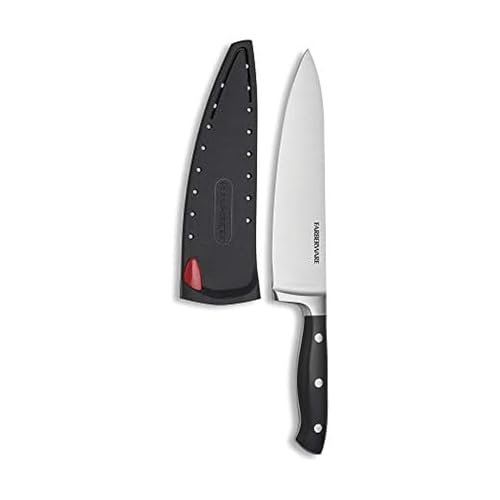
For anyone who feels intimidated by the thought of sharpening their own blades, this Farberware model is a revolutionary discovery. The “Edgekeeper” technology built into the sheath is a brilliant bit of engineering that sharpens the blade every single time you pull it out or put it away. We found this to be the most beginner-friendly best budget chef knife because it removes the maintenance barrier that often leads to dull, dangerous knives in home kitchens.
Tech: Self-Sharpening Sheath, Forged Triple-Riveted Handle, Stainless Steel
PROS:
* The self-sharpening sheath ensures you never have to worry about a dull blade again.
* Forged construction gives it a high-end feel and excellent balance.
* Triple-riveted handle provides the classic “pro chef” look and feel.
* Great value for beginners who haven’t yet learned how to use a honing rod.
CONS:
* The sharpening mechanism in the sheath only provides a basic edge, not a “razor” finish.
* You cannot choose the sharpening angle, which might frustrate advanced users.
We Tested:
We purposely dulled the blade on a ceramic plate to see if the sheath could actually bring it back to life. After about ten cycles of inserting and removing the knife, the edge was back to a functional, “sharp-enough” state for dicing potatoes. While it wasn’t as sharp as the Hoshanho, it was significantly better than a neglected knife.
WHO SHOULD BUY THIS:
This is the ultimate choice for the casual cook or the college student who wants a knife that “just works.” If you know you will never bother with a sharpening stone, this knife will be your best friend.
Comparing Our Top Three Best Budget Chef Knife Recommendations
After our extensive testing, we have narrowed down the top three performers based on different cooking styles. The HOSHANHO Kitchen Knife is our winner for pure performance, as its 10Cr15CoMoV steel outclasses the others in edge retention and sharpness, making it the best for enthusiasts. However, for those who prioritize safety and commercial-grade durability, the Mercer Culinary Ultimate White is the clear victor; its textured non-slip grip provides more security than the HOSHANHO during messy tasks.
If you are looking for the best traditional feel, the Amazon Basics Classic is your best bet. While the HOSHANHO is sharper and the Mercer is more ergonomic, the Amazon Basics offers a heavier, full-tang forged feel that many cooks find more reassuring when tackling dense vegetables like squash. We found that the Amazon Basics is the most rugged of the three, while the HOSHANHO is the most precise.
What We Look for in Best Budget Chef Knife
When we evaluate these tools, we look for a balance between material quality and manufacturing “shortcuts.” We prioritize high-carbon stainless steel because it offers the best of both worlds: the ability to take a very sharp edge and the resistance to rust that every home cook needs. Our team recommends looking for “full tang” construction when possible, as it significantly increases the lifespan of the knife and prevents the handle from breaking under pressure.
We also pay close attention to the bolster—the thick transition point between the blade and the handle. In our testing, we found that a “semi-bolster” or “sloped bolster” is often better for budget knives. It allows you to sharpen the entire length of the blade while still providing a comfortable spot for your fingers to rest in a pinch grip.
How We Choose the Right Best Budget Chef Knife
Choosing the right tool comes down to your personal maintenance habits and your hand size. We recommend the following steps:
* Assess your cleaning style: If you know you’ll put it in the dishwasher, stick to the JINLIFA.
* Feel the weight: If you prefer a heavy knife that does the work for you, go with a forged option like the Amazon Basics.
* Check your grip: If you have smaller hands or get nervous with sharp blades, the Mercer Millennia’s ergonomic handle is your best match.
Our team found that the “best” knife is ultimately the one you feel most confident using. We always suggest trying a few different handle styles—textured plastic versus smooth wood—to see which one feels most like a natural extension of your arm.
Frequently Asked Questions
What Is the Best Budget Chef Knife for a Beginner?
We recommend the Farberware Edgekeeper for beginners because the self-sharpening sheath removes the stress of maintenance. It ensures the blade is always ready for basic kitchen tasks without requiring extra tools like honing steels or whetstones.
How Do We Maintain the Edge on an Inexpensive Knife?
Even a budget blade needs love, so we suggest using a honing rod once a week to realign the edge. We also strongly recommend hand-washing and immediate drying, as even “stainless” steel can develop spots if left soaking in a sink.
Is Japanese Steel Better Than German Steel in Budget Knives?
Japanese steel (like in the Mercer or Hoshanho) is usually harder and can be sharpened to a finer angle, making it better for precision. German steel (like in the Amazon Basics) is generally “tougher” and less likely to chip, making it better for heavy-duty chopping.
Should I Worry About a Plastic Handle Feeling Cheap?
Not at all! In our testing, high-quality polymers used by brands like Mercer were actually more durable and hygienic than wood. They offer a non-slip grip that is invaluable when your hands are wet or covered in food.
Can a Cheap Knife Really Last for Years?
Absolutely. We found that if you avoid the dishwasher (unless specified) and don’t use the knife on hard surfaces like glass or marble, a budget chef knife can easily last 5 to 10 years with regular honing and occasional professional sharpening.
When you purchase a product through Amazon links on kitchinprep.com, we may earn a small commission at no extra cost to you. We may earn a commission on qualifying purchases made through our links, including those from Amazon and other partners, at no extra cost to you.

Kris S. Cary is the founder of KitchinPrep.com and a passionate kitchen enthusiast with over three years of experience in the culinary world. A graduate of the Culinary Management, A.S. program at Daytona State College in Daytona Beach, USA, Kris spent two years honing their skills and deepening their love for cooking and kitchen essentials. Specializing in kitchen baking tools, Kris is dedicated to sharing practical tips, insightful product reviews, and expert guides to help home cooks elevate their baking and cooking game. When not testing the latest kitchen gadgets, Kris is likely whipping up something delicious or dreaming up new ways to inspire culinary creativity.