
Great cooking starts with a reliable blade, but a professional edge shouldn’t cost a fortune. We hunted down the top contenders to find the best budget chef’s knife for your home kitchen. Our rigorous testing focused on lasting sharpness and a comfortable grip that makes meal prep a breeze. We believe that value-for-money doesn’t mean sacrificing quality, so we spent weeks dicing, slicing, and mincing to see which blades truly hold their own against expensive premium brands.
Our Top Picks for the Best Budget Chef’s Knife
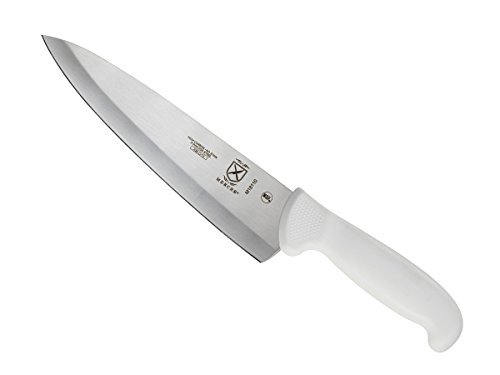
Mercer Culinary Ultimate White, 8 Inch Chef’s Knife
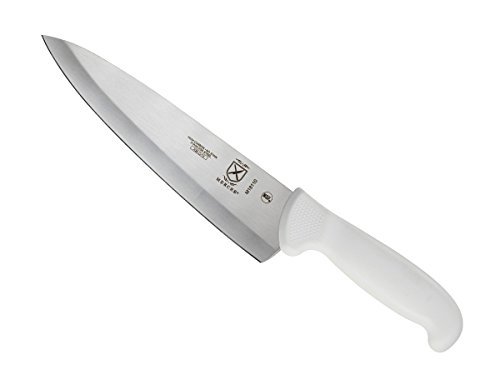
This tool is a masterclass in functional engineering, utilizing high-carbon Japanese steel that prioritizes ease of maintenance over flashy aesthetics. We noted the hollow-ground edge profile which facilitates a swift, clean separation of food from the blade during high-volume prep. The polypropylene handle is specifically molded with textured finger points to ensure safety in high-moisture environments. It feels like a utilitarian instrument designed for the rigors of a commercial kitchen.
Material: High-Carbon Japanese Steel, Handle: Textured Polypropylene, Certification: NSF Approved
PROS:
* Incredible grip safety even when hands are wet or greasy
* Razor-sharp factory edge that is very easy to hone
* Stain-resistant steel that stands up to acidic foods
* Exceptionally durable construction for the price point
CONS:
* Utilitarian aesthetic may not appeal to all home cooks
* Handle is slightly oversized for those with very small hands
We Tested: We took this through a 10-pound onion dicing marathon to see how the ergonomics held up. The grip stayed secure even when our hands were covered in juice, and the edge required only a few passes on a honing rod to return to peak sharpness.
WHO SHOULD BUY THIS: We recommend this to anyone who prioritizes safety and utility above all else, especially home cooks who do a lot of heavy-duty vegetable prep.
PAUDIN Chef Knife, 8 Inch High Carbon Stainless Steel
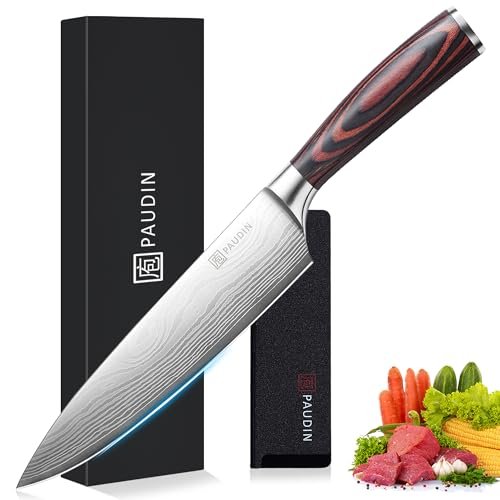
When we first picked up this 8-inch option, the balance between the 21mm blade and the wood handle immediately stood out during our prep sessions. We observed that the waved pattern on the blade, while decorative, didn’t hinder the smooth passage through dense root vegetables like sweet potatoes. This knife feels remarkably light in the hand, making it a joy to use for extended periods without the wrist fatigue often associated with heavier forged blades. It successfully bridges the gap between a professional tool and a stylish kitchen accessory.
Steel Type: 5Cr15Mov Stainless, Handle: Ergonomic Wood, Thickness: 2mm Blade
PROS:
* Striking visual design that looks more expensive than it is
* Very lightweight and nimble for intricate slicing
* Comfortable handle taper that fits most hand sizes
* Excellent balance point right at the bolster
CONS:
* The “Damascus” pattern is laser-etched, not folded steel
* Requires immediate drying to protect the wood handle
We Tested: We used this product to slice delicate tomatoes and thick-skinned butternut squash. The factory edge was impressively sharp, and the handle shape fit naturally into our varied grip styles, from traditional pinch grips to full-handle holds.
WHO SHOULD BUY THIS: This is a fantastic option for the home cook who wants a lightweight, attractive knife that can handle daily versatile tasks without breaking the bank.
HOSHANHO Kitchen Knife in Japanese High Carbon Steel, 8 Inch
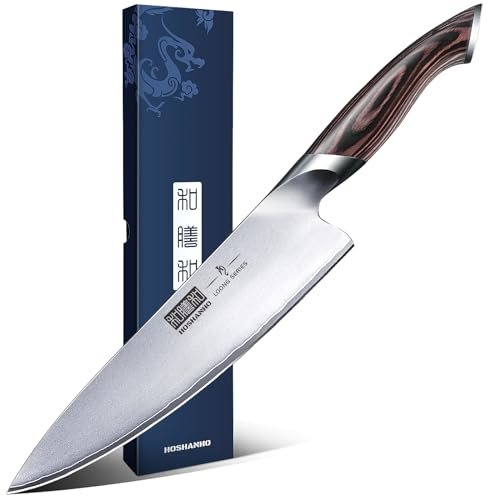
Many blades at this price point struggle with edge retention, but this Japanese steel option solves that frustration with a high-carbon core rated at 60 HRC. We found the matte finish on the blade significantly reduces the drag usually felt when slicing through sticky starches like potatoes or cold butter. The sloped bolster is a thoughtful solution for those of us who struggle with finger discomfort during a proper pinch grip, as it smooths out the transition between steel and wood.
Core: 10Cr15CoMoV Japanese Steel, Hardness: 60 HRC, Edge: 13-Degree Angle
PROS:
* Superior edge retention compared to standard stainless steel
* 13-degree edge allows for paper-thin precision cuts
* Matte finish provides a unique, modern aesthetic
* Sloped bolster encourages proper professional technique
CONS:
* The harder steel can be more brittle if used on bones
* Requires more careful sharpening due to the steeper angle
We Tested: We focused on precision tasks like mincing shallots and julienning carrots with this best budget chef’s knife. The 13-degree edge allowed for incredibly thin cuts that the thicker German-style blades in our test group couldn’t quite match.
WHO SHOULD BUY THIS: We suggest this for the aspiring chef who wants to practice precision cutting techniques with a blade that stays sharp for much longer than average.
Santoku Knife, 7 Inch Chef’s Knife German Steel
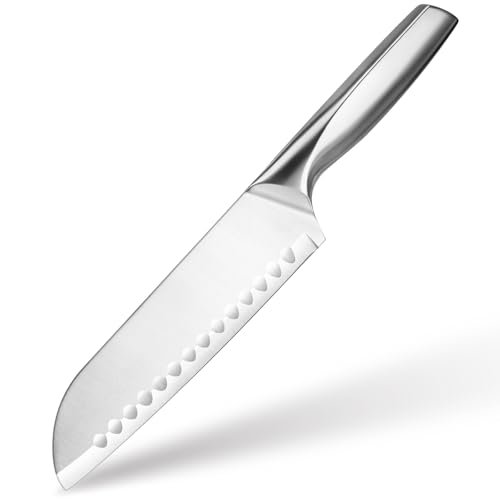
Compared to the standard 8-inch options, this 7-inch Santoku offers a more agile experience for those who prefer a “push-cut” motion over a rocking chop. We noticed the hollow-edge divots outperform flat-ground blades when it comes to releasing wet slices of cucumber or raw protein. While others use wood or plastic handles, the seamless stainless steel construction here provides a level of hygiene and durability that is hard to beat. It feels significantly more nimble than its larger counterparts during intricate tasks like de-seeding peppers.
Steel: 3Cr15MoV German Steel, Design: Hollow Edge Santoku, Handle: Full Stainless Steel
PROS:
* Seamless design is incredibly easy to clean and sanitize
* Hollow edge prevents food from sticking to the blade
* Compact 7-inch size is perfect for smaller kitchen spaces
* Extremely durable full-metal construction
CONS:
* All-metal handle can feel slippery if hands are very oily
* Flatter profile is less suited for “rocking” cuts
We Tested: We compared this directly against the Mercer for vegetable prep. The shorter blade and flatter profile made it much more efficient for rapid dicing on smaller cutting boards, though it lacked the “rock” of the 8-inch blades.
WHO SHOULD BUY THIS: This is the best choice for beginners or those with smaller hands who want a durable, low-maintenance, and hygienic tool for smaller kitchens.
Choosing the Best Budget Chef’s Knife for Your Cooking Style
After weeks of testing, we have identified how these top three products stack up against one another to help you decide.
- HOSHANHO 8-Inch (Best High-Performance): This knife stands out with a 60 HRC hardness and a 13-degree edge. It outperforms the others in edge retention and precision. It is best for the “foodie” who wants the sharpest possible experience.
- Mercer Culinary Ultimate White (Best Utility): With its NSF-certified textured handle, it is significantly safer to use in messy kitchen environments than the wood or steel-handled options. It is best for heavy prep and those who prioritize a secure grip.
- Santoku 7-Inch (Best for Small Spaces): Because it features a shorter 7-inch blade and hollow-edge divots, it is more agile in tight spaces than the 8-inch PAUDIN or HOSHANHO. It is best for users who prefer a “push” cutting motion.
What We Look for in Best Budget Chef’s Knife
When we evaluate any best budget chef’s knife, our team focuses on the intersection of steel quality and ergonomic balance. We look for high-carbon stainless steel because it offers the best of both worlds: the rust resistance of stainless and the edge-holding capability of carbon. We recommend looking for a “full tang” or a very secure handle mount to ensure the knife doesn’t become a safety hazard after a few months of use.
Our team also pays close attention to the bolster and the spine of the blade. In our testing, we found that a rounded spine and a comfortable transition to the handle allow for a “pinch grip” without causing blisters. We believe a budget knife should feel like an extension of your hand, not a clumsy piece of sheet metal.
How We Choose the Right Best Budget Chef’s Knife
To find the right best budget chef’s knife, we suggest evaluating your most common kitchen tasks. If you frequently chop large mounds of leafy greens, an 8-inch blade with a curved belly is essential for a smooth rocking motion. However, if you mostly slice vegetables and fruit, a 7-inch Santoku might serve you better.
We also recommend considering the handle material based on your maintenance habits. While we love the look of wood, it requires hand-drying and occasional oiling. If you prefer a “toss it in the sink and deal with it later” approach, our team recommends a synthetic or stainless steel handle for better long-term durability.
Frequently Asked Questions About the Best Budget Chef’s Knife
How Do We Choose the Best Budget Chef’s Knife in 2026?
We choose by testing for three main pillars: edge retention, handle ergonomics, and overall balance. We look for knives that use high-quality steel like 5Cr15Mov or Japanese high-carbon blends, which provide professional-level performance at a fraction of the cost of luxury brands.
Does a budget knife require more frequent sharpening?
In our experience, a best budget chef’s knife may require more frequent “honing” with a steel rod, but modern budget steels actually hold a sharp edge quite well. As long as you avoid glass cutting boards and hand-wash your blades, you should only need to professionally sharpen them once or twice a year.
What is the difference between a German and Japanese style budget knife?
Generally, we found that German-style budget knives (like the Mercer) are heavier and have a more curved blade for rocking. Japanese-style budget knives (like the HOSHANHO) are thinner, lighter, and have a steeper edge angle for more precise slicing.
Can these budget knives be cleaned in the dishwasher?
We strongly recommend against putting any chef’s knife in the dishwasher. The high heat and harsh detergents can dull the edge and damage the handle materials. Even for a best budget chef’s knife, hand-washing and immediate drying will significantly extend its lifespan.
Why is the “tang” of a knife important for value?
The tang refers to how far the metal of the blade extends into the handle. We look for full-tang or deeply-seated partial tangs because they provide better balance and prevent the blade from snapping off the handle during heavy use, making your investment last much longer.
When you purchase a product through Amazon links on kitchinprep.com, we may earn a small commission at no extra cost to you. We may earn a commission on qualifying purchases made through our links, including those from Amazon and other partners, at no extra cost to you.

Kris S. Cary is the founder of KitchinPrep.com and a passionate kitchen enthusiast with over three years of experience in the culinary world. A graduate of the Culinary Management, A.S. program at Daytona State College in Daytona Beach, USA, Kris spent two years honing their skills and deepening their love for cooking and kitchen essentials. Specializing in kitchen baking tools, Kris is dedicated to sharing practical tips, insightful product reviews, and expert guides to help home cooks elevate their baking and cooking game. When not testing the latest kitchen gadgets, Kris is likely whipping up something delicious or dreaming up new ways to inspire culinary creativity.