
I have spent years working in greasy garages, and I have gone through hundreds of cans of both chlorinated and non-chlorinated brake cleaners. In my experience, choosing the wrong one can mean the difference between a five-minute job and an hour of frustrating scrubbing. This guide will show you exactly how these two chemical formulas stack up on the workbench so you can buy the right one for your projects.
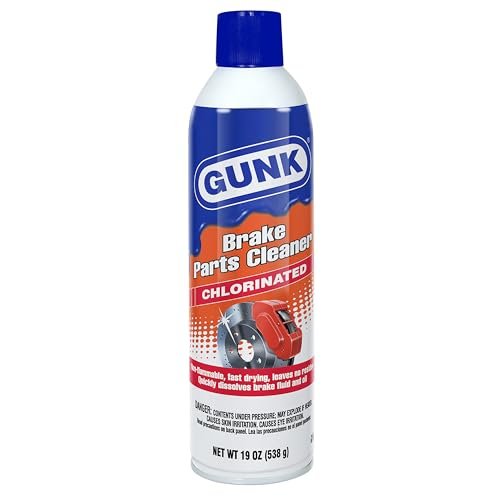
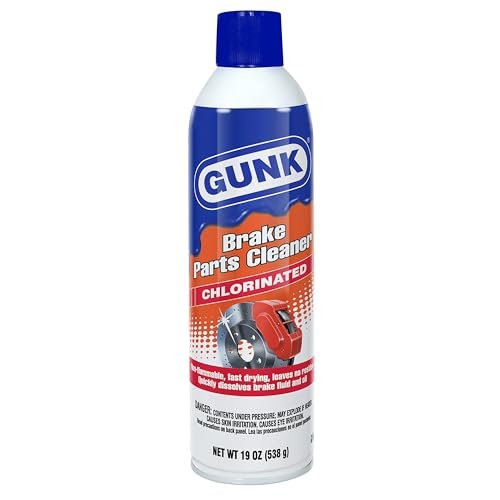
Gunk Chlorinated Brake Parts Cleaner – 19 oz (Case of 6)
This heavy-duty aerosol is designed for serious grime and grease. In my garage testing, the Superior Performance of this chlorinated formula became obvious the moment I sprayed it onto a rusted brake caliper. It delivers a powerful solvent stream that dissolves baked-on dust instantly. The chemical makeup allows it to achieve rapid drying times with zero residue left behind on metal surfaces. You get a convenient bulk case of six large 19-ounce cans, which is ideal if you do regular brake jobs or heavy restoration work. Just keep in mind that this potent formulation is not for sale in California or New Jersey due to strict local environmental laws.
- Superior Performance formula cuts through heavy grease and oil instantly.
- Fast-drying chemical agents leave behind no oily residue.
- Precision spray can design allows you to blast away dirt without disassembling entire assemblies.
-
Generous 19-ounce can size provides plenty of product per job.
-
Cleans significantly faster than non-chlorinated alternatives.
- Non-flammable formulation increases garage safety around open flames or welding equipment.
-
Leaves a perfectly dry, clean metal surface.
-
Highly toxic fumes require excellent ventilation.
- Restricted in states like California and New Jersey.
- Can damage certain plastics, rubbers, and painted surfaces.
Best for: Professionals and DIYers working in well-ventilated home shops outside of restricted states who need maximum degreasing power on heavy steel parts.
Expert Opinion: This is the absolute king of degreasers when you need to blast away baked-on wheel bearing grease without scrubbing. Its non-flammable nature also makes it my top choice when working near active shop heaters.
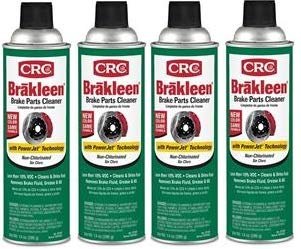
Non-Chlorinated Brake Parts Cleaner, 14-oz., Pack of 4
This lighter, highly flammable alternative is designed to comply with strict environmental laws while still offering solid cleaning action. I use this non-chlorinated formula when I am working on vehicles in tighter spaces or when I need to clean lighter oil films. The handy 4-pack of 14-ounce cans is perfect for keeping on your garage shelf for quick, everyday maintenance tasks. It features a fast-evaporating solvent blend that breaks down fresh brake fluid and light road grime without much fuss. Because it lacks chlorinated solvents, this spray is generally safer for the ozone layer and is legal to use in all fifty states.
- Non-chlorinated formula uses alternative solvents like acetone or heptane.
- Highly volatile blend evaporates quickly to keep your project moving.
- Pack of 4 offers a convenient supply for occasional DIY repairs.
-
50-state legal composition meets strict environmental standards.
-
Legal to purchase and use anywhere, including California and New Jersey.
- Generally less toxic to breathe in, though ventilation is still necessary.
-
Excellent for flushing away fresh brake fluid and light oils.
-
Extremely flammable, posing a fire risk near hot parts or sparks.
- Requires more physical scrubbing on heavy, baked-on grease.
Best for: Mechanics in restricted states, or DIY hobbyists who prefer a less chemically harsh option for light maintenance and quick cleanups.
Expert Opinion: While it requires more elbow grease for tough jobs, this formulation is the safest bet for general shop use across the country. Its flammable nature means you must keep it far away from any ignition sources.
brake parts cleaner chlorinated vs non chlorinated: Key Differences That Matter
Performance Comparison
Let’s talk about raw cleaning power. Chlorinated cleaners contain chlorinated solvents like perchloroethylene, which dissolve grease almost on contact. Non-chlorinated versions rely on ingredients like acetone, toluene, or methanol. These chemicals still clean well, but they require more mechanical scrubbing to lift stubborn, baked-on grime.
Price and Value Analysis
Gunk offers their chlorinated cleaner in a larger 19-ounce can, and buying the bulk pack yields a much lower cost per ounce. The non-chlorinated 4-pack comes in smaller 14-ounce cans. If you calculate the cost per ounce, the chlorinated case almost always wins on pure value, especially considering you use less product to clean the same amount of dirt.
Build Quality and Chemical Safety
The chemical makeup dictates how these sprays behave in your workspace. Chlorinated formulas are non-flammable, which is a massive safety benefit if you use a torch or welder nearby. Non-chlorinated sprays are highly flammable and can ignite from a tiny spark. However, non-chlorinated sprays are slightly gentler on nearby plastic and rubber trim pieces, whereas chlorinated solvents can dissolve them quickly.
User Experience Differences
Using these sprays is a very different experience. Chlorinated spray has a distinct, heavy sweet smell that can cause headaches quickly if you do not have a fan running. The non-chlorinated version smells more like strong nail polish remover. The chlorinated spray dries almost instantly, while the non-chlorinated formula can sometimes leave a slight moisture condensation behind on humid days due to rapid cooling.
Which Should You Choose?
Go with the Gunk Chlorinated Brake Parts Cleaner if you live in a state where it is legal and you are tackling heavy-duty restoration projects. This formula saves you hours of scrubbing on stubborn wheel bearing grease and dried-up clutch dust. It is also the safest option if your garage has pilot lights, space heaters, or welding equipment running nearby.
Choose the Non-Chlorinated Brake Parts Cleaner if you live in California or New Jersey, or if you prefer a product with a slightly less aggressive chemical profile. It is perfect for light brake pad swaps, cleaning tools, or flushing away spilled brake fluid. Just make sure your workspace is completely free of sparks and open flames.
My personal garage shelf always has a mix of both. For raw, effortless cleaning speed, nothing beats the chlorinated formula. For quick touch-ups where I might accidentally overspray onto a plastic wire loom, the non-chlorinated option is my go-to choice.
Frequently Asked Questions
Q: What is the main difference when comparing brake parts cleaner chlorinated vs non chlorinated?
A: The main difference lies in the chemical formulation and flammability. Chlorinated cleaners contain chlorinated solvents that are highly effective and non-flammable, while non-chlorinated cleaners use flammable solvents like acetone that are safer for the environment but require more scrubbing.
Q: Why is chlorinated brake cleaner banned in some states?
A: States like California and New Jersey ban chlorinated brake cleaners because the chlorinated solvents can contribute to smog, ground-level ozone depletion, and toxic air contamination.
Q: Which option is safer for plastics, brake parts cleaner chlorinated vs non chlorinated?
A: Neither is great for plastics, but non-chlorinated cleaner is generally slightly less aggressive. Chlorinated cleaner will rapidly melt or degrade many types of plastic and rubber almost instantly.
Q: Can I use chlorinated brake cleaner near a welding torch?
A: Absolutely not. While chlorinated cleaner is non-flammable, heating its chemical residue with a welding torch can create highly toxic phosgene gas, which can be fatal.
Q: Which cleaner dries faster?
A: Chlorinated brake cleaner evaporates much faster than the non-chlorinated version, leaving behind a perfectly dry surface in seconds without any residue.
Q: Does non-chlorinated brake cleaner rust metal?
A: The cleaner itself does not cause rust, but its rapid evaporation can cause moisture in the air to condense on the cold metal surface, which may lead to light surface rust if not wiped down.
Q: Is non-chlorinated brake cleaner safe to breathe?
A: No, both formulas produce harsh chemical vapors. Always wear a mask and work in a well-ventilated area, preferably outdoors or with a shop fan running.
When you purchase a product through Amazon links on kitchinprep.com, we may earn a small commission at no extra cost to you. We may earn a commission on qualifying purchases made through our links, including those from Amazon and other partners, at no extra cost to you.

Kris S. Cary is the founder of KitchinPrep.com and a passionate kitchen enthusiast with over three years of experience in the culinary world. A graduate of the Culinary Management, A.S. program at Daytona State College in Daytona Beach, USA, Kris spent two years honing their skills and deepening their love for cooking and kitchen essentials. Specializing in kitchen baking tools, Kris is dedicated to sharing practical tips, insightful product reviews, and expert guides to help home cooks elevate their baking and cooking game. When not testing the latest kitchen gadgets, Kris is likely whipping up something delicious or dreaming up new ways to inspire culinary creativity.