
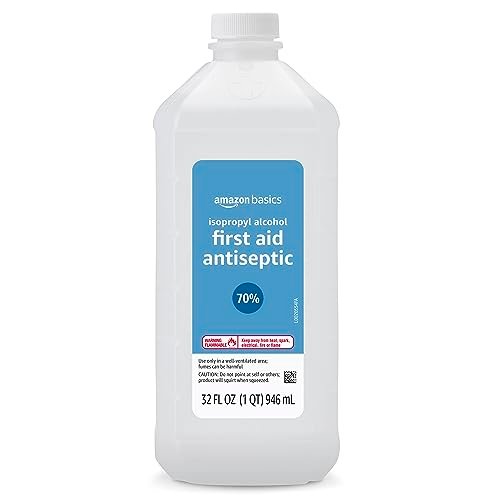
I keep both rubbing alcohol and witch hazel in my bathroom cabinet, but I use them for completely different tasks. After years of testing both products on minor scrapes, oily skin, and household surfaces, I have learned where each one truly shines. This comparison will help you understand their unique strengths so you can choose the right bottle for your specific needs.
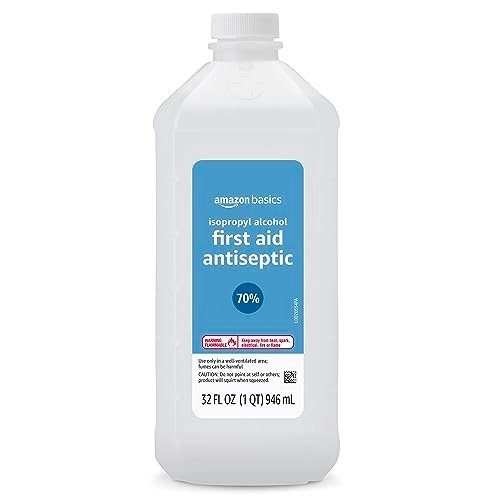
Amazon Basics 70% Isopropyl Alcohol First Aid Antiseptic
I always keep a bottle of Amazon Basics 70% Isopropyl Alcohol in my medicine cabinet because it is a reliable powerhouse for sanitation. This first aid antiseptic works incredibly fast to clean minor cuts, scrapes, and burns. The active ingredient of 70% isopropyl alcohol strikes the perfect balance between disinfection and evaporation speed. I find the 32 fluid ounce bottle lasts a long time, making it highly cost-effective for household use. You should handle it with care because of its highly flammable nature.
- Contains a single, large 32 fluid ounce bottle of first aid antiseptic.
- Formulated with 70% isopropyl alcohol as the active ingredient to kill bacteria.
- Designed specifically to prevent infection in minor wounds and scrapes.
-
Packaged in a simple, functional bottle with a secure screw cap.
-
Highly effective at sanitizing surfaces and skin around wounds.
- Dries almost instantly without leaving a sticky residue behind.
-
Extremely affordable pricing for a massive volume of product.
-
Highly flammable and dangerous if exposed to direct heat sources.
- Extremely drying and harsh when used directly on healthy facial skin.
Best for: Anyone needing a strong, budget-friendly antiseptic for wound care, surface sanitation, and DIY cleaning solutions.
Expert Opinion: This is a pure, medical-grade disinfectant that belongs in every household emergency kit for infection prevention.
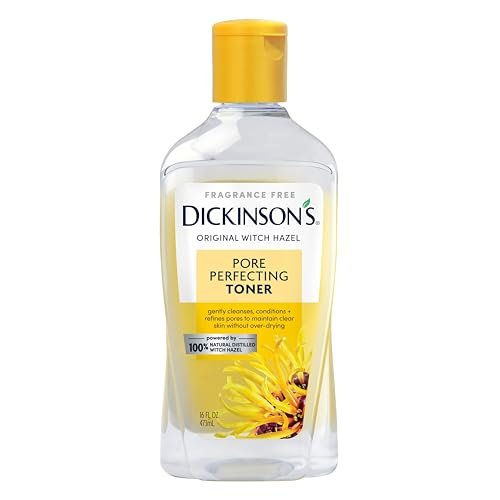
Dickinson’s Original Witch Hazel Pore Perfecting Toner
My go-to skincare remedy for reducing oiliness is Dickinson’s Original Witch Hazel Pore Perfecting Toner. This formula relies on 100% natural distilled witch hazel to clean the skin gently. It serves as a pore-perfecting toner that sweeps away dirt and makeup without leaving my face feeling tight or stripped. I love how it removes and balances oil naturally while soothing redness. The formula is dermatologist recommended and safe even for sensitive skin.
- Made from 100% natural, distilled witch hazel using a plant-to-bottle process.
- Completely cruelty-free and clean formulation.
- Gently cleanses, purifies, and refines pores in one easy step.
- Formulated to balance oil production without overdrying the skin barrier.
-
Each order includes one 16 fluid ounce bottle.
-
Extremely gentle on sensitive skin and safe for daily facial use.
- Smells clean and natural without any synthetic fragrances.
-
Effectively tones the skin and reduces mild redness.
-
Contains a small amount of natural alcohol, which might bother ultra-dry skin.
- Not strong enough to sanitize medical tools or deep wounds.
Best for: People looking for a gentle, natural facial toner to balance oily skin and soothe irritation.
Expert Opinion: This distilled plant extract is an excellent botanical toner that balances oil levels without compromising the skin barrier.
Rubbing Alcohol vs Witch Hazel for Cleaning: Key Differences That Matter
Performance comparison
When it comes to disinfection, rubbing alcohol is the clear winner. It destroys pathogens on contact, making it ideal for wiping down phones, doorknobs, and countertops. Witch hazel lacks the chemical strength to kill bacteria and viruses on household surfaces. It is designed to cleanse living skin tissue gently, not to sterilize inanimate objects.
Price/Value analysis
You get double the volume for a fraction of the cost with the rubbing alcohol. The 32-ounce bottle of isopropyl alcohol offers incredible value for bulk utility tasks. While the witch hazel is still reasonably priced, you pay a premium for the natural botanical distillation process. For heavy-duty tasks, rubbing alcohol is much more budget-friendly.
Build quality and formulation
The packaging for both products is functional, though the Dickinson’s bottle feels a bit sturdier in the hand with its flip-top dispensing cap. The isopropyl alcohol comes in a standard squeeze-bottle design that can easily spill if you are not careful. In terms of chemical composition, the rubbing alcohol is a simple, standardized synthetic compound. The witch hazel is a highly refined botanical distillate, offering a clean, plant-based purity that synthetic chemicals cannot match.
User experience differences
Using rubbing alcohol is a sensory experience defined by its sharp, clinical smell and intense cooling sensation. It evaporates instantly, leaving skin feeling bone-dry. Witch hazel feels soothing, cool, and mildly hydrating. It has a faint, earthy scent that dissipates quickly, making it a much more pleasant addition to a daily self-care routine.
Which Should You Choose?
If your main goal is household disinfection, wound care, or preparing surfaces for adhesives, choose the Amazon Basics 70% Isopropyl Alcohol. It is a powerful sanitizer built for utility.
If you need to soothe sensitive skin, remove makeup, or balance facial oils, the Dickinson’s Original Witch Hazel is the perfect option. It treats your skin with care.
Ultimately, these two products serve entirely different functions in your cabinet. I keep both on hand because they do not overlap in their capabilities. Rubbing alcohol is your heavy-duty cleaning and sanitizing agent, while witch hazel is your gentle, natural skin companion.
Frequently Asked Questions
Q: Can I use rubbing alcohol vs witch hazel for cleaning household surfaces?
A: Rubbing alcohol is the correct choice here because it kills bacteria and viruses on contact. Witch hazel does not have sanitizing properties, so it will not disinfect your countertops or doorknobs.
Q: Is rubbing alcohol or witch hazel better for treating acne?
A: Witch hazel is much better because it gently removes excess sebum and calms inflammation. Rubbing alcohol is too harsh and will strip your skin, causing your body to produce even more oil.
Q: Why should I compare rubbing alcohol vs witch hazel for cleaning electronics?
A: Rubbing alcohol evaporates almost instantly, making it perfect for cleaning phone screens and keyboards without causing water damage. Witch hazel contains water and organic compounds that can leave a residue or damage internal circuits.
Q: Can both products be used on minor cuts and scrapes?
A: Yes, but they work differently. Rubbing alcohol acts as a powerful antiseptic to prevent infection immediately, though it stings. Witch hazel is a soothing astringent that helps reduce swelling and minor bleeding without the intense burn.
Q: Is witch hazel safe for children and pregnant women?
A: Yes, natural distilled witch hazel is highly recommended by dermatologists for sensitive skin, making it safe for expectant mothers and children. Rubbing alcohol should be used sparingly on children to avoid skin irritation.
Q: Can I use rubbing alcohol as a deodorant alternative?
A: Rubbing alcohol can temporarily kill odor-causing bacteria under your arms. It is very drying, so using it regularly can lead to painful skin irritation.
Q: How long do these products last on the shelf?
A: Isopropyl alcohol has a shelf life of about two to three years before it starts to evaporate and lose its potency. Distilled witch hazel generally remains effective for up to six years if stored in a cool, dark place.
When you purchase a product through Amazon links on kitchinprep.com, we may earn a small commission at no extra cost to you. We may earn a commission on qualifying purchases made through our links, including those from Amazon and other partners, at no extra cost to you.

Kris S. Cary is the founder of KitchinPrep.com and a passionate kitchen enthusiast with over three years of experience in the culinary world. A graduate of the Culinary Management, A.S. program at Daytona State College in Daytona Beach, USA, Kris spent two years honing their skills and deepening their love for cooking and kitchen essentials. Specializing in kitchen baking tools, Kris is dedicated to sharing practical tips, insightful product reviews, and expert guides to help home cooks elevate their baking and cooking game. When not testing the latest kitchen gadgets, Kris is likely whipping up something delicious or dreaming up new ways to inspire culinary creativity.