
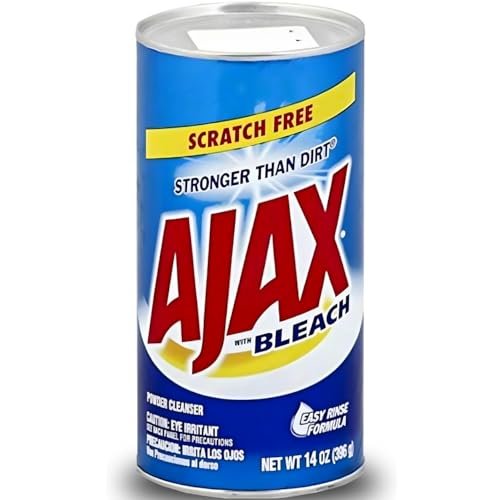
I have spent years testing household cleaning products on stubborn stains, and I keep returning to these two classic powder cleansers. In my experience, both options offer incredible scrubbing power, but they rely on entirely different active ingredients to get the job done. This hands-on comparison will help you decide which of these household staples deserves a permanent spot under your sink.
Ajax Powder Cleanser with Bleach, 14 oz (396 g)
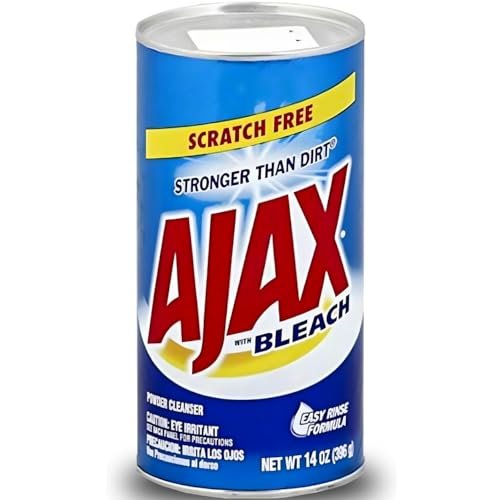
Ajax has been a fixture in American households for decades, relying on a dependable formula that targets tough grease and grime. This budget-friendly powder uses a scratch-free calcium carbonate abrasive that feels fine to the touch but scrubs away dried food with ease. The inclusion of chlorine bleach makes this cleanser stronger than dirt, especially when you need to disinfect a surface or lift dark stains from porcelain. I appreciate that it features an easy rinse formula that prevents white residue from clinging to your sink after you finish scrubbing. Because the manufacturer contains no phosphates, you can use it without worrying about excessive environmental buildup in local waterways.
- Formulated with calcium carbonate as a mild, scratch-free abrasive
- Includes active chlorine bleach to whiten and disinfect tough surfaces
- Designed with an easy-rinse texture to prevent chalky residue
-
Eco-friendly composition with zero phosphates
-
Highly affordable option for everyday household cleaning
- Excellent at whitening stained porcelain sinks and old grout lines
- Bleach sanitizes surfaces while you scrub
-
Simple, classic shaker can packaging that is easy to dispense
-
Strong chemical bleach odor can be overwhelming in small bathrooms
- Can damage delicate finishes like gold plating, silver, or soft plastics
- Not highly effective against severe hard water rust deposits
Best for: Homeowners looking for a budget-friendly, disinfecting scrub to whiten ceramic, tile, and porcelain surfaces.
Expert Opinion: Ajax remains the ultimate budget king for whitening porcelain sinks and sanitizing surfaces, but you must use it in a well-ventilated space to handle the strong bleach fumes.
Bar Keepers Friend® Cleanser & Polish: 15 OZ
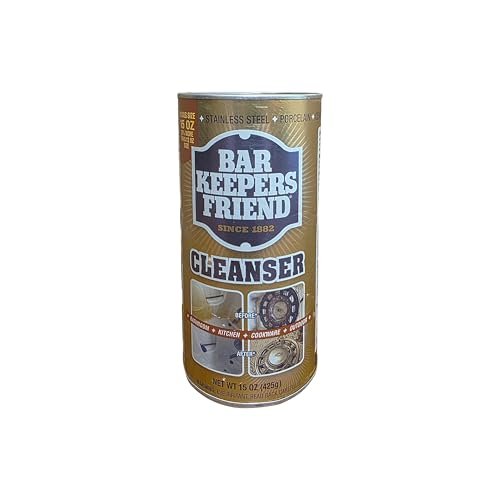
Bar Keepers Friend relies on the natural power of oxalic acid to slice through mineral deposits instead of using harsh bleach. This specialty cleanser acts as a superb metal polish, restoring dull stainless steel cookware and copper pots to their original luster. Since the packaging may vary, you might receive the classic gold can or a modern waterproof plastic container. I found that it excels at removing stubborn rust stains, hard water spots, and baked-on grease that regular dish soap cannot touch. It works by chemically bonding with iron oxides to dissolve rust on contact, which is something alkaline cleaners simply cannot duplicate.
- Formulated with oxalic acid to dissolve rust and mineral deposits
- Works as both a powerful abrasive cleanser and a metal polish
- Safe for stainless steel, copper, brass, ceramic, and glass
-
Biodegradable formula that does not contain chlorine bleach
-
Unmatched performance on rust stains and hard water buildup
- Restores scorched pots and pans to a factory-like shine
- Lacks the harsh, choking chemical smell of bleach-based cleansers
-
Extremely gentle on delicate glass cooktops and ceramic surfaces
-
Slightly more expensive than basic bleach cleansers
- Requires protective gloves during long cleaning sessions because the acid can irritate bare skin
- Does not disinfect or sanitize surfaces
Best for: Anyone dealing with heavy rust, hard water minerals, or dull stainless steel cookware that needs polishing.
Expert Opinion: The oxalic acid in Bar Keepers Friend makes it a miracle worker for copper and stainless steel, though you will need a separate disinfectant if sanitizing is your primary goal.
ajax cleaner vs bar keepers friend: Key Differences That Matter
Performance comparison
The chemistry of these two powders dictates how they tackle messes. Ajax relies on an alkaline formula powered by chlorine bleach. This makes it incredibly efficient at breaking down organic matter. I watched it lift red wine stains and coffee rings from a white ceramic sink in seconds.
Bar Keepers Friend takes a totally different route. It uses acidic chemistry, specifically oxalic acid, to break down inorganic mineral deposits. When I used it on a heavily rusted iron skillet and water-spotted shower doors, the stains practically dissolved. The acid targets the iron bonds of rust and the calcium bonds of hard water. Ajax cannot match this chemical reaction because its alkaline base simply slides over mineral scale.
Price/Value analysis
Budget-conscious cleaners will find a clear winner here. Ajax is incredibly cheap. You can often buy a multi-pack of Ajax for the price of a single can of its competitor. It is a workhorse designed for mass-scale, everyday scrubbing.
Bar Keepers Friend costs more per ounce. The specialized ingredients and the polishing agents command a premium. I find the extra cost justified when tackling specialized restoration projects. For daily toilet scrubbing, though, the cheaper option wins on pure value.
Build quality comparison
We need to look at the powder texture and the packaging to understand how these products hold up. Ajax has a coarser, grittier texture. It feels rough between your fingers and retains a dry, chalky consistency even when wet. The cardboard can is prone to getting soggy if you leave it on a wet countertop, which causes the bottom to rust and fall out.
Bar Keepers Friend is milled much finer. It turns into a smooth, creamy paste almost instantly when mixed with water. This silky consistency makes it feel like a polishing compound rather than a harsh abrasive. While its classic gold can is also made of cardboard, the brand offers plastic bottles for some versions to prevent the soggy bottom issue.
User experience differences
The scent of these cleansers will immediately impact your cleaning routine. Ajax smells like a clean public pool. The strong bleach aroma lets you know things are being sanitized, but it can quickly overwhelm a small, windowless bathroom. I always turn on the exhaust fan when using it.
Bar Keepers Friend has a faint, slightly sour smell. It is not perfumed, nor does it choke you out with chemical fumes. It does, however, feel much harsher on bare hands. The acid can irritate small cuts or dry out your cuticles. I highly recommend wearing rubber gloves when scrubbing with the gold can, whereas I can often use Ajax bare-handed for quick touch-ups.
Which Should You Choose?
Your choice depends on the specific chores you tackle most often. If your house has old, stained ceramic tubs, dingy grout, and lingering kitchen odors, the bleach-infused power of Ajax is ideal for your household cleaning routine. It keeps your white surfaces bright and sanitized for pennies.
If you are dealing with hard water scale, rusty fixtures, and dull stainless steel pots, Bar Keepers Friend is the superior selection. Its acid-based formula restores metal surfaces that bleach would otherwise ruin.
I keep both under my sink. For deep cleaning of copper pans and glass shower doors, I reach for the gold can of Bar Keepers Friend. For quick bathroom sanitizing and whitening porcelain toilet bowls, the classic blue can of Ajax is my preferred tool.
Frequently Asked Questions
Q: Is ajax cleaner vs bar keepers friend safer for polishing copper pots?
A: Bar Keepers Friend is the absolute winner for copper. The oxalic acid chemically removes tarnish and restores shine without scratching the metal, whereas the chlorine bleach in Ajax can discolor copper.
Q: Which product, ajax cleaner vs bar keepers friend, works better on hard water spots?
A: Bar Keepers Friend works much better on hard water spots because its acidic formula dissolves calcium and magnesium. Ajax is alkaline and lacks the chemical ability to break down mineral scale easily.
Q: Can I use Ajax to clean my glass cooktop?
A: I do not recommend using Ajax on a glass cooktop. The calcium carbonate abrasive is a bit too coarse, which can leave fine scratches on the delicate glass surface.
Q: Does Bar Keepers Friend disinfect bathroom surfaces?
A: No, Bar Keepers Friend does not contain any sanitizing agents or bleach. It is designed purely to clean and polish, so you will need a separate disinfectant if you want to kill germs.
Q: Can I mix these two powder cleansers together for extra power?
A: Absolutely not. Mixing Ajax, which contains chlorine bleach, with Bar Keepers Friend, which contains oxalic acid, will produce highly dangerous chlorine gas. Always use them separately and rinse the surface thoroughly between applications.
Q: Why do my hands feel dry after using Bar Keepers Friend?
A: The oxalic acid in the formula naturally strips oils from your skin and can cause mild irritation. I always suggest wearing rubber gloves when cleaning with it to protect your hands.
Q: Which cleanser is better for removing rust from a metal patio chair?
A: Bar Keepers Friend is highly effective at removing rust. The acid breaks the bond between the rust and the metal, allowing you to wipe the rust away with minimal effort.
When you purchase a product through Amazon links on kitchinprep.com, we may earn a small commission at no extra cost to you. We may earn a commission on qualifying purchases made through our links, including those from Amazon and other partners, at no extra cost to you.

Kris S. Cary is the founder of KitchinPrep.com and a passionate kitchen enthusiast with over three years of experience in the culinary world. A graduate of the Culinary Management, A.S. program at Daytona State College in Daytona Beach, USA, Kris spent two years honing their skills and deepening their love for cooking and kitchen essentials. Specializing in kitchen baking tools, Kris is dedicated to sharing practical tips, insightful product reviews, and expert guides to help home cooks elevate their baking and cooking game. When not testing the latest kitchen gadgets, Kris is likely whipping up something delicious or dreaming up new ways to inspire culinary creativity.