
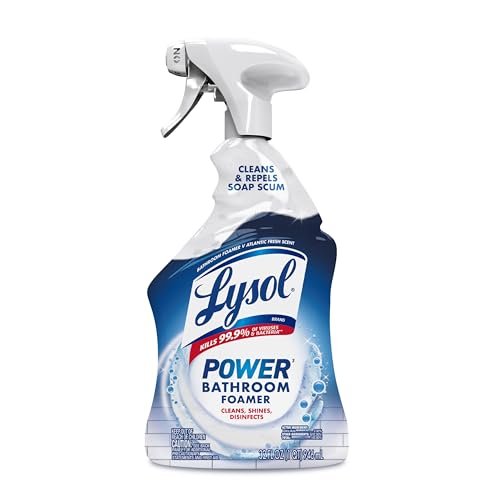
I have spent weeks testing both Lysol Power Foaming Bathroom Cleaner and Lysol Pro Kitchen Spray Cleaner and Degreaser in my own home to see how they handle real-world messes. While one tackles stubborn soap scum in the tub, the other fights greasy splatters on the stove. This hands-on comparison will help you decide where to spend your cleaning budget for the best results.
Lysol Power Foaming Bathroom Cleaner Review
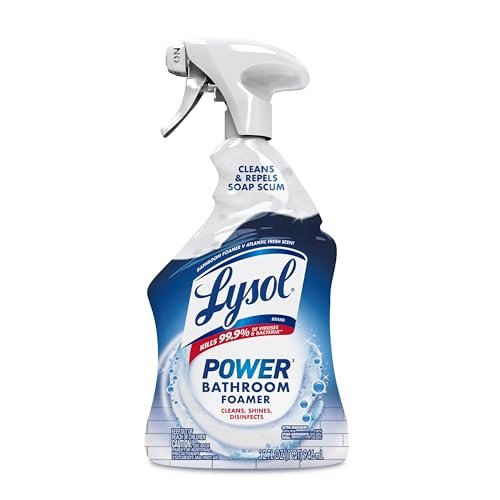
I started my testing in the master shower, which was coated in a thick layer of daily grime. This Power Foaming Bathroom Cleaner quickly clings to vertical surfaces to dissolve stubborn buildup. Thanks to the fast-acting foaming spray, I watched the foam break down heavy soap scum and water spots within seconds without needing to scrub like crazy. It kills 99.9% of bathroom viruses and bacteria during the process, giving me peace of mind about sanitation. The formula contains zero bleach, meaning you do not have to worry about harsh fumes ruining your breathing space. I used it across several washable hard non-porous surfaces like glazed tile and chrome fixtures with spotless, shiny results.
Key Features
- Power Foaming Bathroom Cleaner dissolves soap scum, limescale, and dirt without scrubbing.
- Fast action foam sanitizes shower doors, bathtubs, and sinks in 30 seconds.
- Kills 99.9% of bacteria and viruses to disinfect bathroom surfaces thoroughly.
- Zero bleach formula targets mold and mildew stains without leaving harsh chemical odors.
- Multi-surface compatibility works safely on glazed ceramic tile, stainless steel, and vinyl.
Pros
- Thick foam clings well to vertical shower walls and glass doors.
- Effectively cuts through limescale and hard water spots.
- Leaves a pleasant Atlantic Fresh scent instead of chemical fumes.
- Large 32-ounce bottle lasts through many deep clean sessions.
Cons
- Foam can spray wide, sometimes getting onto areas you did not intend to cover.
- Requires a thorough rinse to prevent a slippery residue on tub floors.
Best for:
Homeowners dealing with heavy soap scum, hard water stains, and mildew buildup on bathroom tile and fixtures.
Expert Opinion: This bathroom cleaner excels because its foaming action does the mechanical work of lifting grime off vertical tile, saving your arms from exhausting scrubbing.
Lysol Pro Kitchen Spray Cleaner and Degreaser Review
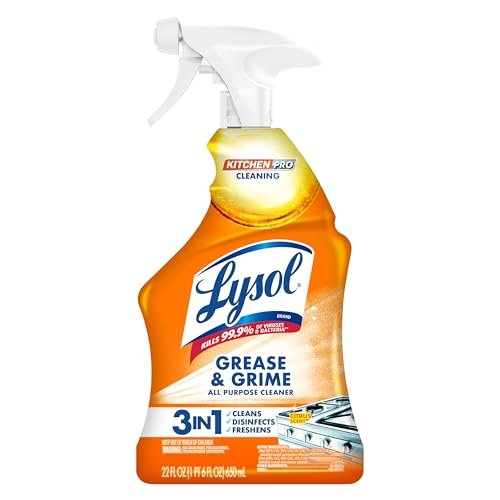
Moving to the kitchen, I faced baked-on stovetop splatters and greasy countertops. The Pro Kitchen Spray Cleaner and Degreaser proved to be an incredibly effective tool for lifting heavy oil. It easily cuts through tough baked-on grease without scratching delicate appliance surfaces. Because it leaves no harsh chemical residue, I felt safe using it on food prep areas after a quick water rinse. The spray eliminates 99.9% of kitchen viruses and bacteria, targeting nasty foodborne germs like Salmonella and E. coli. It leaves behind a fresh citrus scent that immediately masks rancid cooking smells.
Key Features
- Antibacterial formula eliminates 99.9% of foodborne pathogens like Salmonella and E. coli.
- Powerful degreasing agents penetrate baked-on oils on stovetops and ovens.
- No harsh chemical residue remains, making it safer for food contact surfaces.
- Citrus scent deodorizes smelly kitchen spaces without heavy chemical fumes.
- Easy spray-and-wipe application works fast on tables, counters, and exterior appliances.
Pros
- Breaks down sticky grease splatters almost instantly upon contact.
- Safe for highchairs, countertops, and exterior appliance shells.
- Does not leave a streaky film on polished stainless steel or laminate.
Cons
- Food contact surfaces still require a rinse with potable water after use.
- Smaller 22-ounce bottle runs out faster than the bathroom counterpart.
Best for:
Busy home cooks who need to sanitize countertops and clear away stubborn grease from stovetops and ovens daily.
Expert Opinion: This kitchen spray is formulated to dissolve organic lipids and oils quickly, making it superior for grease but less effective against mineral deposits.
bathroom vs kitchen cleaner: Key Differences That Matter
Performance Comparison
These two products target entirely different types of soil. The bathroom cleaner relies on acidic or chelating agents to dissolve mineral-based messes. Limescale, calcium, and soap scum melt away under its thick foam. In contrast, the kitchen formula uses alkaline degreasers to break down organic fats and carbonized grease. Trying to swap them yields poor results. The kitchen spray will struggle against hard shower water stains. Meanwhile, the bathroom foamer will fail to cut through sticky grease on a stovetop.
Price and Value Analysis
You get a larger volume of product with the bathroom spray. Its 32-ounce bottle offers great longevity, especially since the thick foam covers large surface areas with fewer pulls of the trigger. The kitchen cleaner comes in a smaller 22-ounce container. Because you tend to spray kitchen counters daily, you might find yourself replacing the kitchen spray more frequently. The price per ounce generally favors the bathroom cleaner, making it a slightly better value for budget-conscious buyers.
Build Quality and Formulation Design
The physical packaging reflects how each product operates. Lysol’s bathroom cleaner features a specialized foaming nozzle designed to aerate the liquid as it exits. This creates a dense lather that clings to vertical shower walls without sliding down immediately. On the other hand, the kitchen spray uses a traditional misting nozzle. This design distributes a fine, even layer of liquid over horizontal countertops and flat stove surfaces. The kitchen bottle feels lighter and easier to maneuver around tight appliance corners.
User Experience Differences
Your sensory experience will vary significantly between these two cleaners. The bathroom foamer fills the room with a strong, clean Atlantic Fresh scent that lingers to mask mildew odors. It requires some rinsing afterward to remove the thick soap residue from tub floors. The kitchen degreaser provides a lighter citrus scent that dissipates quickly. It wipes away clean with a microfiber cloth, though you must rinse food prep areas with plain water afterward.
Which Should You Choose?
Choosing between these specialized formulas depends on the specific chores you face most often. You should purchase the foaming bathroom cleaner if your primary struggles involve hard water spots, cloudy glass shower doors, and grime on bathroom tile. It is the superior tool for heavy-duty bathroom sanitation.
On the other hand, the kitchen spray is the correct choice if you spend your evenings wiping down greasy stove grates, sticky countertops, and oily microwave interiors. It acts as an excellent daily degreaser for food prep environments.
If you want a truly spotless home, you actually need both bottles in your cleaning cabinet. A single formulation cannot tackle both calcium deposits and baked-on grease effectively. Investing in both specialized tools saves you time and physical effort in the long run.
Frequently Asked Questions
Q: What is the main difference when comparing a bathroom vs kitchen cleaner?
A: The primary difference lies in the types of stains they are formulated to target. Bathroom cleaners focus on removing calcium, limescale, and soap scum using mineral-dissolving agents. Kitchen cleaners use degreasing agents designed to break down organic fats, cooking oils, and baked-on food.
Q: Can I use a bathroom cleaner on my kitchen countertops?
A: You should avoid using bathroom cleaners on food contact surfaces. These formulas often contain strong chemicals that are not rated safe for food preparation areas, and they do not cut through cooking grease effectively.
Q: Is it safe to use a kitchen degreaser in the shower?
A: You can use it, but it will not perform well against shower grime. A kitchen spray lacks the specific ingredients needed to dissolve hard water deposits and soap scum buildup.
Q: Do I need to rinse these sprays off after application?
A: Yes, both products require rinsing. You must rinse the bathroom foam to prevent slippery surfaces, and you must rinse the kitchen spray with potable water if you use it on surfaces that touch food.
Q: Which product is more effective for killing germs in a bathroom vs kitchen cleaner comparison?
A: Both products are highly effective disinfectants that kill 99.9% of germs. However, the kitchen spray specifically targets foodborne pathogens like Salmonella, while the bathroom spray targets common household bacteria and viruses found in wet environments.
Q: Can these cleaners be used on natural stone like granite?
A: You should check your stone manufacturer’s guidelines before applying either product. Acidic bathroom cleaners can etch natural stone, and heavy kitchen degreasers may strip away protective stone sealers.
Q: Does the kitchen cleaner leave a strong chemical smell after wiping?
A: No, the kitchen cleaner leaves a light, clean citrus scent. It is designed to dissipate quickly so it does not interfere with the smell of your food.
When you purchase a product through Amazon links on kitchinprep.com, we may earn a small commission at no extra cost to you. We may earn a commission on qualifying purchases made through our links, including those from Amazon and other partners, at no extra cost to you.

Kris S. Cary is the founder of KitchinPrep.com and a passionate kitchen enthusiast with over three years of experience in the culinary world. A graduate of the Culinary Management, A.S. program at Daytona State College in Daytona Beach, USA, Kris spent two years honing their skills and deepening their love for cooking and kitchen essentials. Specializing in kitchen baking tools, Kris is dedicated to sharing practical tips, insightful product reviews, and expert guides to help home cooks elevate their baking and cooking game. When not testing the latest kitchen gadgets, Kris is likely whipping up something delicious or dreaming up new ways to inspire culinary creativity.