
Over the years, I have cleaned dozens of outdoor patios and indoor bathrooms, using both household staples and specialized formulas to tackle the toughest grime. In my experience, choosing the wrong cleaner for the wrong surface can lead to permanent damage or underwhelming results. This comparison will show you exactly how these two powerful cleaning agents stack up so you can tackle your next project with confidence.
Clorox Disinfecting Bleach Detailed Review
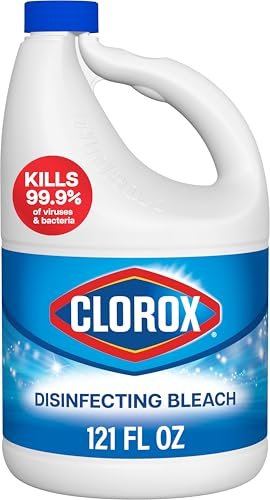
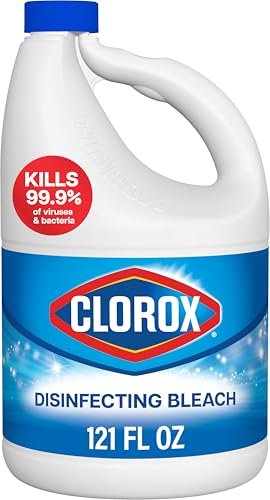
Clorox Disinfecting Bleach remains the ultimate household staple for sanitation, stain removal, and deep cleaning. I keep this 121 fluid ounce bottle on hand because it acts as a highly effective mold cleaner for non-porous indoor surfaces like shower walls, tiles, and sinks. It utilizes five-in-one technology to sanitize, whiten, brighten, remove stubborn odors, and kill germs across dozens of household surfaces. When used as directed, this formula kills strep, E. coli, salmonella, and flu virus, making it indispensable for maintaining a sanitary living space. Finally, it shines as a bleach for laundry, helping to pull tough stains out of white fabrics and boosting detergent performance.
- High-capacity 121-ounce bottle provides excellent value for frequent household cleaning tasks.
- Powerful disinfectant that kills 99.9% of common household germs, bacteria, and viruses.
- Highly versatile chemical that cleans, whitens, and removes mold and mildew on non-porous surfaces.
- Formulated to keep whites looking bright while boosting laundry detergent efficiency.
Pros
- Extremely affordable and widely available in most stores.
- Unmatched disinfecting power against dangerous pathogens and bacteria.
- Highly concentrated formula, meaning a little goes a long way when diluted.
Cons
- Harsh chemical fumes require excellent ventilation during use.
- Can ruin colored fabrics and damage certain porous materials like wood.
Best for:
Homeowners looking for a budget-friendly, multi-surface indoor disinfectant and laundry whitener.
Expert Opinion: This classic sodium hypochlorite solution is unbeatable for indoor sanitation, but its harsh pH makes it risky for outdoor wood surfaces without precise dilution and rinsing.
DeckMAX Concentrated Composite & Wood Deck Cleaner Detailed Review
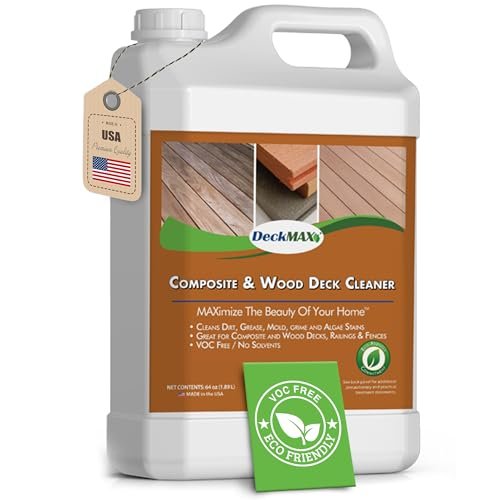
DeckMAX Concentrated Composite & Wood Deck Cleaner is a professional-grade solution designed specifically for outdoor structures. I have used this powerful deck cleaner and mildew remover to lift heavy organic stains, grime, and algae from wood and composite materials. Because it is highly concentrated, a single bottle covers up to 1,500 square feet, making it highly economical for large outdoor projects. It features a safe and eco-friendly formula with zero VOCs and no harsh solvents, meaning it will not harm your lawn, garden plants, or pets. This versatile cleaner works beautifully on fences, siding, and patios without degrading the underlying materials. With regular use, it restores your deck to a like-new look by penetrating deep to lift aged grease and environmental dirt.
- Concentrated formula covers a massive 1,500 square feet of outdoor surfaces.
- Plant-safe and pet-friendly composition contains zero VOCs and no harsh solvents.
- Specifically engineered to clean Trex, Timbertech, Fiberon, and natural wood decks.
- Penetrating action lifts deep-set dirt, mold, and green algae stains without scrubbing.
Pros
- Safe to use around expensive landscaping and garden beds.
- Does not degrade or dry out composite decking materials.
- Highly concentrated formula offers massive outdoor coverage per bottle.
Cons
- Significantly more expensive upfront than standard household bleach.
- Not designed or approved for indoor household sanitizing.
Best for:
Homeowners and contractors who need to clean outdoor composite or natural wood decks safely and effectively without damaging surrounding vegetation.
Expert Opinion: This eco-friendly concentrate excels at lifting organic stains from composite materials without stripping the protective UV inhibitors that manufacturers put on modern decking.
bleach vs deck cleaner: Key Differences That Matter
Performance Comparison
When it comes to pure sanitizing power, household bleach is a chemical powerhouse that destroys organic matter on contact. It kills bacteria and mold instantly, but it can also strip natural oils from wood, leaving it brittle and grey. DeckMAX takes a gentler, more targeted approach to outdoor grime. It breaks down the bond between the dirt and the composite or wood fibers, lifting the stains without harming the structure of the wood or the synthetic binders in composite boards.
Price and Value Analysis
At first glance, Clorox bleach is the clear winner on price. It costs very little and serves dozens of purposes around the house, from laundry to bathroom cleaning. However, if you are treating a large outdoor space, the value dynamic changes. DeckMAX is highly concentrated and covers up to 1,500 square feet per bottle. If you tried to cover that much deck space with bleach, you would need multiple bottles, and you would risk killing your lawn, which could cost hundreds of dollars to repair.
Product Quality and Packaging
The design of these two liquids comes down to their chemical formulations. Clorox uses a strong sodium hypochlorite base, packaged in a lightweight plastic jug with a simple screw cap. It is highly corrosive, meaning the packaging must resist degradation over time. DeckMAX utilizes a specialized, eco-friendly surfactant blend packaged in a heavy-duty bottle designed to prevent leaks during transport. The formula is stable, has no harsh chemical fumes, and does not require the same hazardous chemical handling precautions as industrial bleach.
User Experience Differences
Cleaning with bleach can be a stressful experience. You have to wear old clothes to avoid ruinous white spots, and the strong chemical odor can quickly cause headaches if you do not have proper ventilation. It also requires constant vigilance to keep it away from nearby plants. Using DeckMAX is a much more relaxed process. The lack of harsh fumes makes outdoor application pleasant, and you do not have to worry about splashing a drop on your jeans or ruining the grass lining your patio edges.
Which Should You Choose?
If you are looking to disinfect indoor surfaces, whiten your laundry, or deep-clean ceramic bathroom tiles on a budget, Clorox Disinfecting Bleach is the ideal option.
If you need to wash a premium Trex composite deck, spruce up a cedar fence, or clean outdoor surfaces near valuable garden plants, choose DeckMAX Concentrated Composite & Wood Deck Cleaner.
In my experience, there is no single winner, as these products serve completely different environments. For general indoor sanitizing and basic household tasks, Clorox is the undisputed king of affordability and germ-killing power. For outdoor wood maintenance and composite longevity, investing in the specialized DeckMAX formula is the smartest choice to protect your expensive outdoor investments.
Frequently Asked Questions
Q: Can I use household bleach to clean my wood deck instead of a commercial product?
A: Yes, but it is risky. While bleach kills mold, it can dry out natural wood fibers and corrode the metal fasteners holding your deck together.
Q: What are the main performance differences in bleach vs deck cleaner?
A: Bleach relies on harsh sodium hypochlorite to sanitize and whiten, while a specialized deck cleaner uses targeted surfactants to lift dirt and mold without damaging wood fibers or composite materials.
Q: Is DeckMAX safe to use around my garden plants?
A: Yes, this specific formula contains zero VOCs and no harsh solvents, making it completely safe for your surrounding lawn and landscaping.
Q: Why is the comparison of bleach vs deck cleaner important for composite decks?
A: Composite decking like Trex can be permanently discolored or damaged by the harsh chemical properties of household bleach, whereas a dedicated deck cleaner is formulated specifically to protect synthetic materials.
Q: How much area does one bottle of DeckMAX cover compared to diluted bleach?
A: One bottle of concentrated DeckMAX covers up to 1,500 square feet, which would require multiple gallons of household bleach diluted with water to match the coverage.
Q: Can I use DeckMAX inside my house for bathroom cleaning?
A: It is not recommended. This product is formulated for outdoor wood and composite surfaces and does not contain the sanitizing agents required to kill indoor bacteria and viruses like Clorox does.
Q: Does household bleach remove rust stains from outdoor surfaces?
A: No, bleach can actually oxidize iron and make rust stains look worse. You should use a dedicated rust remover or a specialized outdoor cleaner for those spots.
When you purchase a product through Amazon links on kitchinprep.com, we may earn a small commission at no extra cost to you. We may earn a commission on qualifying purchases made through our links, including those from Amazon and other partners, at no extra cost to you.

Kris S. Cary is the founder of KitchinPrep.com and a passionate kitchen enthusiast with over three years of experience in the culinary world. A graduate of the Culinary Management, A.S. program at Daytona State College in Daytona Beach, USA, Kris spent two years honing their skills and deepening their love for cooking and kitchen essentials. Specializing in kitchen baking tools, Kris is dedicated to sharing practical tips, insightful product reviews, and expert guides to help home cooks elevate their baking and cooking game. When not testing the latest kitchen gadgets, Kris is likely whipping up something delicious or dreaming up new ways to inspire culinary creativity.