
I have used both of these aerosol sprays for years on various projects in my garage, often reaching for whichever was closest when dealing with a stubborn mess. My hands-on experience with both solvents has shown me that using the wrong one can easily ruin a costly component. In this comparison, you will learn the exact differences in their chemical makeup, clearing up any confusion about where and when to apply them safely.
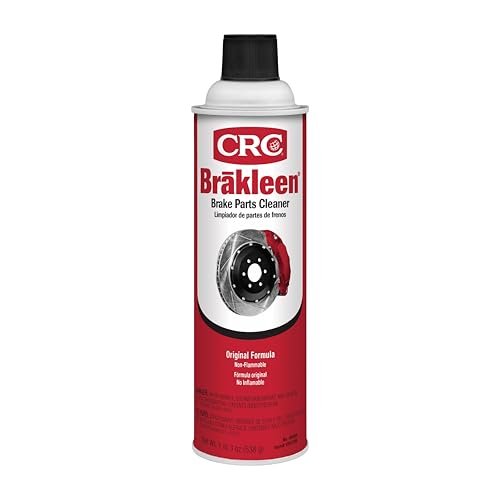
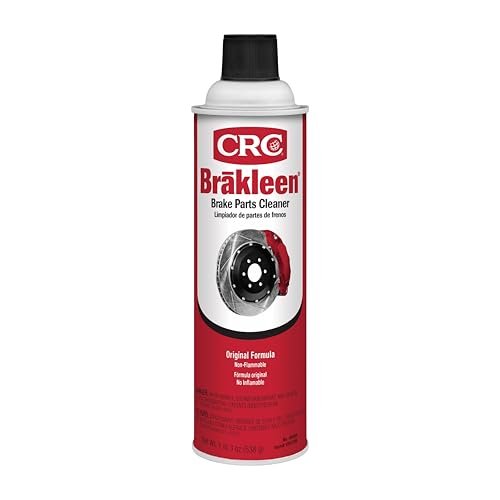
CRC BRAKLEEN Brake Parts Cleaner – Non-Flammable – 1lb 3 Oz (05089)
I always keep a can of this heavy-duty solvent on my workbench for dealing with tough, baked-on grease. As the original brake parts cleaner, this non-flammable formula is specifically engineered to cut through the nastiest road grime instantly. It is formulated to quickly and effectively remove grease, brake dust, brake fluids, oils, and other contaminants from metal surfaces. Because of its extremely strong chemical composition, this product cannot be sold for use in CA or NJ due to local environmental regulations. You also cannot buy it if you live on Catalina Island. When you spray it on metal parts, it dries rapidly and leaves no residue, making it perfect for preparing surfaces for reassembly.
- Non-flammable formula provides an extra layer of safety when working around potential ignition sources.
- Designed to quickly lift away brake dust, heavy grease, and oily residues.
- Fast-evaporating solvent leaves the treated metal surface completely clean and bare.
- Packaged in a generous 1-pound 3-ounce aerosol can for extended use on tough jobs.
Pros
- Cleans metal surfaces incredibly fast with minimal scrubbing required.
- Non-flammable formula reduces fire risks in enclosed garage spaces.
- High-pressure spray blasting easily dislodges stubborn, caked-on dirt.
Cons
- Harsh chemicals will easily melt plastic, rubber, and painted surfaces.
- Shipping is restricted in states like California and New Jersey due to environmental laws.
Best for: DIY mechanics and professionals who need to strip heavy oil, grease, and brake dust off bare metal parts.
Expert Opinion: This is the absolute gold standard for cleaning metal automotive parts, but you must keep it far away from any plastics or wiring.
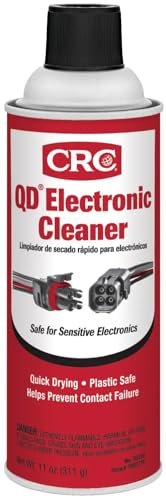
CRC 05103 QD Electronic Cleaner – 11 Wt Oz
Delicate electronics require a gentle touch, which is where this specialized solvent comes into play. I rely on this QD Electronic Cleaner whenever I need to clean sensitive circuitry, sensors, or electrical connections. This is a precise cleaner made from petroleum distillate and alcohol that is fast evaporating and leaves no residue behind. The formula is completely plastic safe, allowing you to spray it directly onto delicate connectors without fear of melting the housing. It works wonders on sensitive equipment to prevent contact failure by washing away light dirt, dust, and flux. You get an 11-ounce aerosol can that is easy to direct into tight spaces with the included straw.
- Plastic-safe formula that will not degrade nylon, PVC, or sensitive electrical housings.
- Fast-evaporating mixture leaves zero residue on delicate electronic connections.
- Ideal for use on circuit breakers, computer components, contacts, and switches.
- Formulated by CRC Industries to protect and maintain sensitive electrical gear.
Pros
- Safe for use on virtually all plastics, rubbers, and delicate coatings.
- Dries almost instantly to minimize downtime during electrical repairs.
- Excellent at removing light dust, flux residue, and carbon deposits.
Cons
- Highly flammable formula requires you to disconnect all power before spraying.
- Lacks the heavy-duty solvent strength needed to dissolve thick, baked-on grease.
Best for: Anyone working on computer hardware, automotive wiring harnesses, sensors, or household appliances.
Expert Opinion: This is an essential tool for restoring electrical conductivity, but always ensure your devices are fully powered down before spraying.
brake cleaner vs electrical cleaner: Key Differences That Matter
Performance Comparison
Brake cleaner acts like a chemical sledgehammer. It strips away heavy engine oil, baked-on road grime, and brake fluid in seconds. Electrical cleaner behaves much more like a precision scalpel. This milder spray gently lifts light oils and dust without harming sensitive materials. If you try to clean a greasy brake caliper with electrical cleaner, you will waste the entire can and still end up with a dirty part. Conversely, spraying brake cleaner onto a delicate circuit board will dissolve the plastic components, destroying the device instantly.
Price and Value Analysis
Brake cleaner generally offers much more volume for your money. A standard can of Brakleen is larger and usually costs less than the smaller can of electronic cleaner. Because you use brake cleaner in large volumes to douse messy automotive parts, the lower price point is highly necessary. Electronic cleaner is a specialty product. You pay more per ounce, but you use it in tiny, controlled bursts. A single can of electronic cleaner can easily last a DIYer several years, making the higher cost per ounce highly reasonable over time.
Formulation Quality
The chemical makeup of these two sprays represents two completely different worlds. This version of Brakleen uses chlorinated solvents like perchloroethylene, which are non-flammable but highly aggressive toward non-metal materials. The QD Electronic Cleaner utilizes a blend of alcohol and light petroleum distillates. This mix is highly flammable but chemically inert toward plastics, nylon, and rubber. The manufacturing quality of both CRC cans is excellent, featuring high-pressure nozzles that do not clog easily.
User Experience Differences
Using brake cleaner is a heavy-duty task that requires excellent ventilation. The fumes from chlorinated brake cleaner are strong, sweet, and highly toxic if inhaled in closed spaces. It also shoots out of the nozzle under high pressure to physically blast away grease. Electronic cleaner has a much milder alcohol smell that dissipates rapidly. The spray pressure is gentler, which prevents delicate wire connections or small computer components from being physically damaged by the blast.
Which Should You Choose?
Your choice depends entirely on the materials you need to clean. If you are working on bare metal automotive parts, bare brake rotors, or greasy engine blocks, you need the heavy solvent power of the non-flammable brake parts cleaner. This spray will quickly cut through the buildup to leave a clean, dry surface.
If your project involves wiring harnesses, mass airflow sensors, printed circuit boards, or home appliances, you must choose the plastic-safe electronic cleaner. This formula will wash away dust and restore electrical conductivity without melting the surrounding materials.
For a well-stocked garage, the best approach is to keep both products on your shelf. Use the brake parts cleaner for heavy mechanical work and save the electronic cleaner for wiring, sensors, and delicate switches.
Frequently Asked Questions
Q: What is the main difference when comparing brake cleaner vs electrical cleaner?
A: The main difference lies in their chemical strength and plastic compatibility. Brake cleaner uses harsh solvents designed to dissolve thick grease but will melt plastic, while electrical cleaner is a milder, plastic-safe formula designed for delicate circuitry.
Q: Can I use brake cleaner on electrical connections in an emergency?
A: No, you should avoid this. Brake cleaner can dissolve plastic connectors, melt wire insulation, and leave behind conductive residue that might cause a short circuit.
Q: Is electrical cleaner flammable compared to non-flammable brake cleaner?
A: Yes, most quick-drying electronic cleaners contain alcohol and petroleum distillates, making them highly flammable. You must turn off and unplug all devices before using them, unlike non-flammable brake cleaners which do not pose a fire risk.
Q: Why is there such a big debate around brake cleaner vs electrical cleaner for cleaning car sensors?
A: Car sensors contain delicate plastic housings and sensitive internal elements. Using brake cleaner on a sensor will destroy the plastic components, whereas an electrical cleaner safely removes dust without causing damage.
Q: Will electrical cleaner remove grease from metal brake parts?
A: It will struggle to do so. Electrical cleaner lacks the chemical strength and high-pressure spray needed to dissolve heavy, baked-on grease and brake fluid.
Q: Do both of these cleaners dry without leaving a residue?
A: Yes, both formulas are designed to evaporate completely without leaving any film behind. This ensures clean contact points for electricity and clean friction surfaces for brakes.
Q: Can I use electrical cleaner on computer parts?
A: Yes, this formula is highly suited for computer parts, motherboards, RAM slots, and keyboard switches because it is safe on plastics and leaves zero residue.
When you purchase a product through Amazon links on kitchinprep.com, we may earn a small commission at no extra cost to you. We may earn a commission on qualifying purchases made through our links, including those from Amazon and other partners, at no extra cost to you.

Kris S. Cary is the founder of KitchinPrep.com and a passionate kitchen enthusiast with over three years of experience in the culinary world. A graduate of the Culinary Management, A.S. program at Daytona State College in Daytona Beach, USA, Kris spent two years honing their skills and deepening their love for cooking and kitchen essentials. Specializing in kitchen baking tools, Kris is dedicated to sharing practical tips, insightful product reviews, and expert guides to help home cooks elevate their baking and cooking game. When not testing the latest kitchen gadgets, Kris is likely whipping up something delicious or dreaming up new ways to inspire culinary creativity.