

I spend a lot of time around tools, both in my small workshop and in my kitchen, and I’ve learned one thing the hard way—choosing the right tool matters. It matters when I’m drilling into a stud in a cold Midwest garage in January, and it matters when I’m blending a quick drink before heading out the door. That’s why I made A Simple Guide to Using and Caring for Your Everyday Blender. I want to help anyone who uses their blender like a real everyday tool, not a shiny gadget that gathers dust.
I treat my blender the same way I treat a good drill or a solid wrench—use it right, clean it right, and it lasts longer. Even in humid Florida kitchens or dry Arizona homes, simple habits make a big difference. I’ve burned through enough motors to speak from real experience here.
How to Use a Blender the Easy Way
Sometimes you just want a quick smoothie before work. This short guide keeps things simple and stress-free.
Basic Steps That Work for Any Blender
I keep my process simple. Short steps. No fuss.
- Add liquids first for smoother flow
- Then soft ingredients
- Hard items last
- Keep the lid on tight (I’ve learned this the messy way on a rushed Monday morning)
Most days I make things half-asleep, so simple steps help.
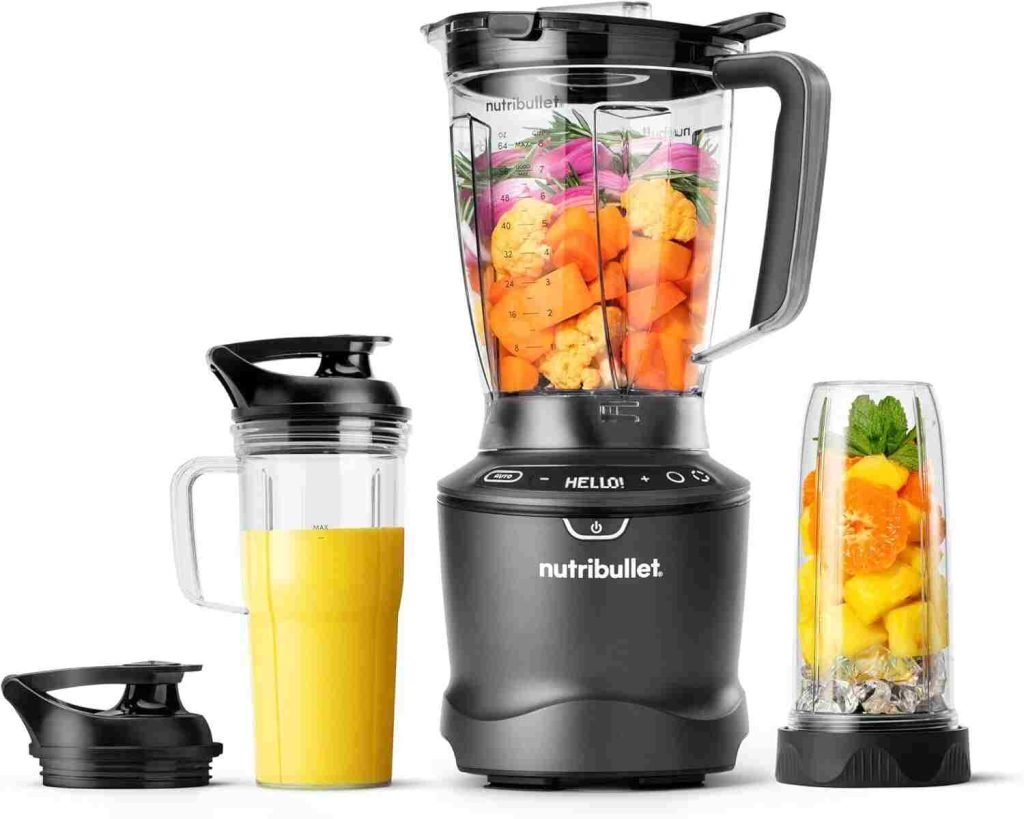
Tips for Better Blends (Even on Busy Days)
I blend fast when I’m running late. These tiny habits help.
- Cut ingredients small for faster spinning
- Use the pulse button for chunky textures
- Let the motor rest if you smell heat or see steam
- Add a splash of water if things get stuck
Sometimes just a tablespoon of water saves the whole mix.
How to Clean Your Blender Fast
No one wants dried smoothie stuck to the sides. A quick rinse right after use saves time later.
The 30-Second Rinse Method
This is my go-to when I’m rushing out.
- Fill halfway with warm water
- Add 1–2 drops of soap
- Run for 10–12 seconds
- Rinse and air dry on the counter
It’s easy. It works. And it keeps old smells away.
Deep Clean Once a Week
By Friday, I do a deeper clean. It keeps the pitcher clear.
- Soak blades in warm water
- Use a soft brush
- Clean rubber seals (they trap smells)
- Wipe the base with a damp cloth only—never soak it
I learned the “never soak the base” part after ruining one in my early twenties.
Simple Blender Recipes You Can Make at Home
Perfect for quick mornings, warm afternoons, and late-night cravings.
Smoothies
I keep these simple. They help on long work days.
- Berry + yogurt
- Banana + peanut butter
- Mango + milk + honey (I make this last one on hot days. It feels like a small vacation.)
Sauces & Dressings
These taste fresh and whip up fast.
- Salsa
- Creamy ranch
- Simple vinaigrette with garlic, oil, and lemon
Snacks & Treats
Great for kids. Or adults who feel like kids.
- Frozen fruit whip
- Soft-serve banana “ice cream”
- Cold coffee frappé
The frappé hits hard on slow Monday afternoons.
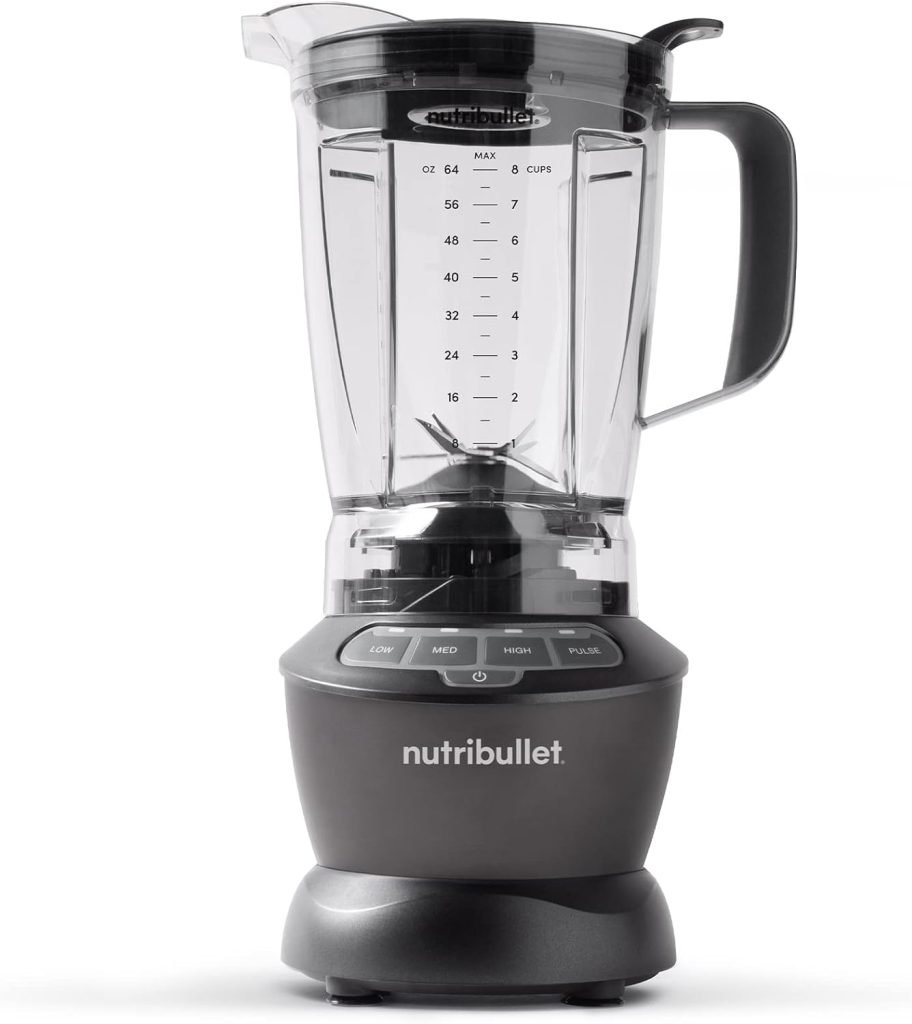
Is a 600-Watt Motor Powerful Enough?
I asked myself this one summer morning while trying to blend frozen fruit for a shake.
What a 600-Watt Blender Handles Well
Most days, this power is enough.
- Smoothies
- Shakes
- Soft vegetables
- Nut butters (with patience)
It works fine for daily jobs. Like a mid-range cordless drill—not the strongest, but reliable.
When You Need More Power
Some tasks push the motor too far.
- Crushing ice often
- Large batches
- Thick, sticky blends
- Hot soups or heavy sauces
If you blend frozen food every day, a stronger motor feels better.
Can You Safely Blend Ice?
Ice can be tough. If you’ve ever heard that sharp cracking sound at 7 a.m., you know the feeling.
When It’s Okay
These simple rules help keep things safe.
- If the blender supports crushing ice
- If you add some liquid
- If cubes are small or cracked first
A bit of water helps the blades glide instead of slam.
When to Avoid It
Some blenders just can’t handle it.
- Weak motors
- Dull blades
- Empty pitcher (never blend ice without liquid)
Empty pitchers with ice are a fast way to burn a motor.
How to Understand Blender Pricing and Quality
Prices can feel random. But there’s a pattern once you see the features.
What Makes Prices Go Up
These features add cost. Same idea as buying Milwaukee or DeWalt tools.
- Stronger motors
- Metal gears
- Thick containers
- Longer warranties
- Extra cups or attachments
Better build. Better lifespan. Less noise. Usually worth it.
How to Choose Based on Your Daily Life
Your needs matter more than the brand.
- Small kitchen → compact blender
- College student → affordable basic options
- Busy parent → larger capacity
- Coffee lover → blender with smooth ice-crushing ability
I keep a small one on the counter and a big one in the cabinet. Depends on the day.
FAQs
- How do I use an everyday blender for simple drinks?
You add liquid first, then soft food, then hard pieces. This helps the blades spin fast. It keeps the motor safe and gives a smooth blend. - Is a 600-watt blender strong enough for daily use?
Yes, it works for most small jobs like shakes or soft food. It may slow down with ice or thick mixes. Check your daily needs before you pick a size. - How do I clean my blender fast after a busy morning?
Fill it with warm water and a drop of soap. Run it for a few seconds. Rinse well. This keeps smells low and makes deeper cleaning easy later. - Can I blend ice in a simple home blender?
Yes, if the blender supports ice. Add a bit of liquid and keep cubes small. This helps the blades move and keeps strain off the motor. - What makes blender prices go up?
Strong motors, metal gears, and thick jars raise the cost. Extra cups and long warranties add more. Pick what fits your life and daily use.
My Final Thoughts
If you want a blender that fits into real life and busy days, this kind of simple, everyday model may feel just right. But if you blend tough food or crush ice each day, you may want something stronger. I’ve used both types, and the best choice always depends on the pace of your home and what you blend most. I hope my hands-on experience helps you pick the one that feels right for you.
When you purchase a product through Amazon links on kitchinprep.com, we may earn a small commission at no extra cost to you. We may earn a commission on qualifying purchases made through our links, including those from Amazon and other partners, at no extra cost to you.

Kris S. Cary is the founder of KitchinPrep.com and a passionate kitchen enthusiast with over three years of experience in the culinary world. A graduate of the Culinary Management, A.S. program at Daytona State College in Daytona Beach, USA, Kris spent two years honing their skills and deepening their love for cooking and kitchen essentials. Specializing in kitchen baking tools, Kris is dedicated to sharing practical tips, insightful product reviews, and expert guides to help home cooks elevate their baking and cooking game. When not testing the latest kitchen gadgets, Kris is likely whipping up something delicious or dreaming up new ways to inspire culinary creativity.