
Finding the perfect balance between a sharp edge and a light pack is our top priority. We analyzed the market to identify the best backpacking knife for every type of backcountry explorer. Our guide ensures you have a reliable tool that will not weigh you down on long trail days, whether you are prepping a trail-side meal or processing wood for a campfire.
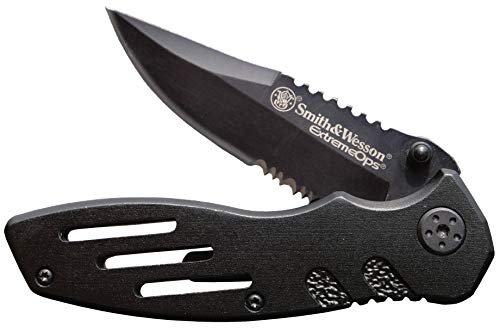
Smith & Wesson Accessories Extreme Ops SWA24S Serrated Folding Knife
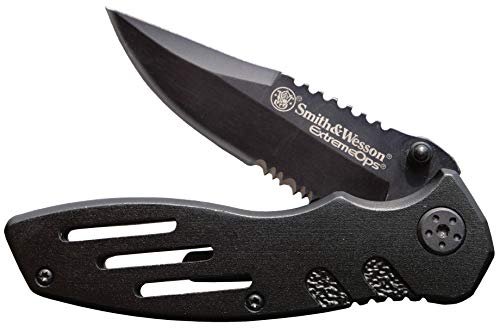
When we look at the engineering of this folder, the focus on rapid deployment is immediately evident. The combination of a finger flipper and ambidextrous thumb knobs provides a mechanical advantage that many competitors lack. The black oxide coating on the high-carbon stainless steel isn’t just for aesthetics; it provides a necessary barrier against the elements during wet trail days.
Dimensions: 7.1″, 3.1″ Blade, 3.5 Ounces, 7Cr17MoV Steel
PROS:
* Dual deployment methods allow for effortless one-handed opening.
* Black oxide coating significantly boosts corrosion resistance in damp environments.
* Partial serrations make quick work of stubborn cordage and zip ties.
* Deep-carry pocket clip ensures the tool stays secure on rugged terrain.
CONS:
* Liner lock requires periodic cleaning to maintain its smooth engagement.
* Black finish may show wear after heavy batonning or scraping.
We Tested: During our testing journey, we used the SWA24S to clear small branches blocking a narrow mountain pass. The jimping on the spine gave our thumbs excellent traction, preventing any slips even when our hands were slick with rain. We found the liner lock to be incredibly sturdy, never once showing signs of failure under pressure.
WHO SHOULD BUY THIS: This is the ideal choice for hikers who prioritize quick access and need a tactical edge for heavy-duty cord cutting. We recommend it for those who want a reliable folder that feels substantial without breaking the bank.
Morakniv Companion Fixed Blade Outdoor Knife
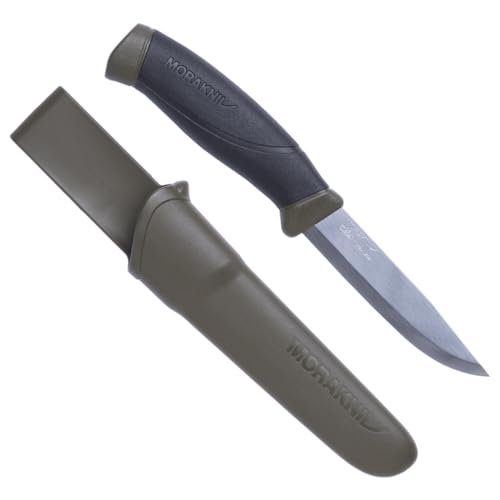
Our hands-on experience with this fixed blade confirmed why it remains a legend in the bushcraft community. The Sandvik 12C27 stainless steel arrived with a razor-sharp edge that required zero out-of-the-box maintenance. We observed that the 4.1-inch blade length provides the perfect geometry for both delicate food preparation and more aggressive wood carving.
Blade: 4.1″, 0.08″ Thick, 3.9 Ounces, Sandvik 12C27 Steel
PROS:
* Scandi grind makes it exceptionally easy to field-sharpen with minimal tools.
* The polymer handle features a high-friction grip that feels glued to the palm.
* Drain hole in the sheath prevents moisture from sitting on the blade.
* Lightweight enough to carry on a neck lanyard if preferred.
CONS:
* The plastic sheath lacks a secondary locking strap for inverted carry.
* The spine is not ground to a sharp 90-degree angle for fire starters.
We Tested: While setting up camp in a dense pine forest, we used this option to create feather sticks for a damp morning fire. The ergonomic handle allowed us to work for nearly an hour without any hand fatigue or “hot spots.” We found that the stainless steel resisted rust perfectly after being left out in the overnight dew.
WHO SHOULD BUY THIS: We highly recommend this for the traditionalist who wants the best backpacking knife for camp chores. It is the gold standard for anyone who values a fixed blade’s strength and simple maintenance.
Gerber Gear Ultimate Survival Knife
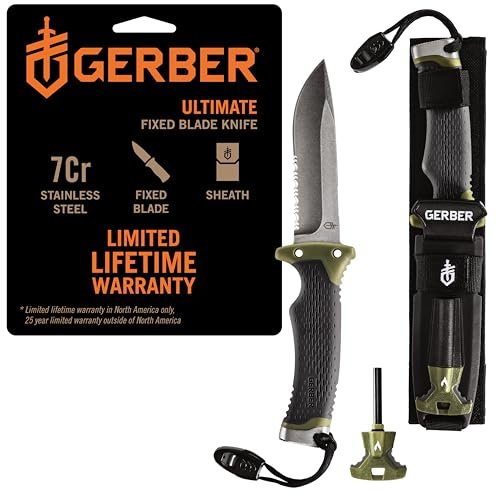
In our testing, we found that this tool solves the common problem of carrying too much individual gear. By integrating a fire starter, a sharpener, and an emergency whistle into the sheath system, it acts as a comprehensive survival station. The drop point blade features a beefy construction that can handle much more stress than a standard folding option.
Length: 10″, 4.8″ Blade, 11.02 Ounces, Stainless Steel
PROS:
* Integrated ferrocerium rod produces high-temperature sparks for fire lighting.
* Textured rubber grip provides maximum control during heavy-duty hacking tasks.
* Steel hammer pommel is excellent for driving tent stakes into hard ground.
* Built-in sharpener ensures you never have to work with a dull edge.
CONS:
* The total weight is significantly higher than minimalist folding knives.
* The whistle is functional but not as loud as dedicated mountain whistles.
We Tested: We put this product through a rigorous “survival scenario” test where we relied solely on its integrated tools for fire and shelter. The half-serrated edge easily sliced through thick climbing rope, and the fire starter worked on the second strike. It effectively replaced three other items in our pack, justifying its heavier footprint.
WHO SHOULD BUY THIS: This is for the adventurer heading into remote wilderness where self-reliance is mandatory. We recommend it for survivalists who want one tool that can handle fire, shelter, and signaling.
CIVIVI Mini Praxis Folding Pocket Knife
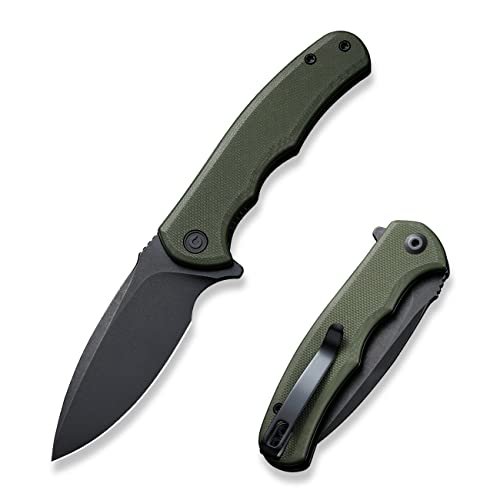
Comparing this to other EDC-style folders, we were immediately struck by the sophistication of the ceramic ball-bearing pivot. This product offers a “snappy” action that typically belongs to knives twice its price. The D2 steel blade is a significant step up from standard stainless options, providing much better edge retention over long-distance treks.
Blade: 2.98″, D2 Steel, Ceramic Ball Bearings, G10 Handle
PROS:
* Ceramic bearings provide a frictionless opening experience that is truly addictive.
* G10 handle scales are impervious to water and temperature fluctuations.
* Deep-carry pocket clip makes it virtually disappear inside your pants pocket.
* D2 tool steel holds an edge significantly longer than 400-series stainless.
CONS:
* D2 steel requires a bit more care to prevent surface spotting in salty air.
* The smaller size might feel cramped for users with very large hands.
We Tested: We took this knife on a fast-packing trip where every gram mattered. It performed beautifully when we needed to slice through tough synthetic webbing and open dehydrated meal pouches. The stonewashed finish hid scratches well, and the blade remained hair-shaving sharp after a week of constant use.
WHO SHOULD BUY THIS: This is our top pick for the “ounce-counter” who still wants a high-performance steel. It is perfect for those who appreciate fine mechanical action and a slim profile.
Legal Pocket Knife with 2.95” Serrated Blade
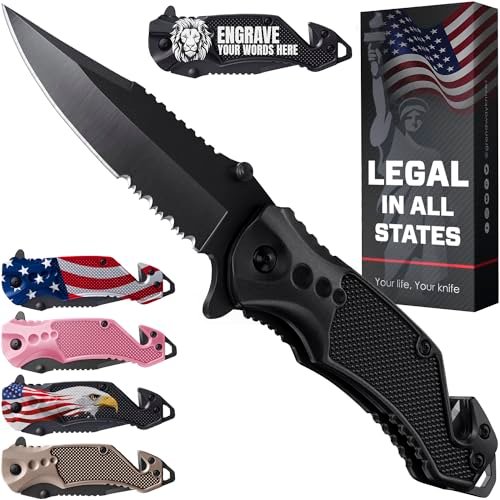
During our quality assessment, we noted that the 440C stainless steel used here offers a great middle-ground for trail durability. The aluminum handle feels incredibly rigid, and the inclusion of a glass breaker and seatbelt cutter makes it a true multi-utility tool. It feels more like a piece of rescue equipment than just a standard blade.
Overall: 7.17″, 4.12 oz, 440C Stainless, Aluminum Handle
PROS:
* The 440C steel provides excellent corrosion resistance and toughness.
* Includes a glass breaker and cord cutter for emergency vehicle egress.
* The ergonomic handle fits the hand naturally in both standard and reverse grips.
* Serrated section is aggressively ground for tackling fibrous materials.
CONS:
* The extra safety features add a bit of bulk to the handle.
* The liner lock is a bit stiff during the initial break-in period.
We Tested: We kept this tool in our hip-belt pocket during a scouting trip through overgrown brush. We used the cord cutter to quickly trim snagged lines without having to fully deploy the main blade, which was a huge safety plus. The aluminum handle didn’t show any dings even after we accidentally dropped it on a rocky trail.
WHO SHOULD BUY THIS: We suggest this for hikers who also do a lot of driving to trailheads and want a crossover emergency tool. It is a fantastic gift for a first-time backpacker.
Gerber Gear Paraframe Mini Pocket Knife
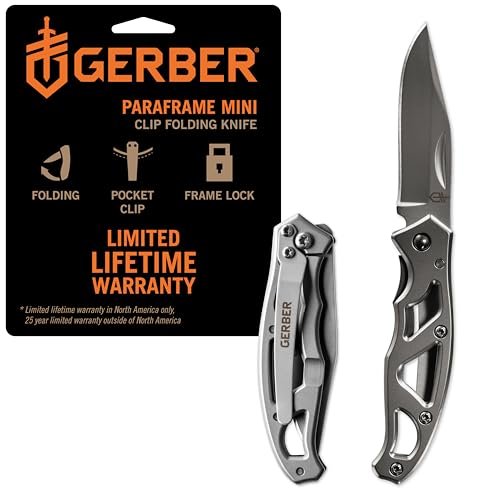
Analyzing the specifications of this knife reveals its true purpose: absolute minimalism. At only 1.6 ounces, it is one of the lightest functional knives we have ever put on a scale. The open frame design isn’t just for looks; it makes it incredibly easy to clean out dirt, sand, and pocket lint with just a quick rinse in a stream.
Weight: 1.6 oz, 2.2″ Blade, 5.25″ Overall, Frame Lock****
PROS:
* The frame lock design is simple, strong, and very easy to engage.
* Minimalist weight means it can be clipped to a shirt pocket without sagging.
* Stainless steel construction is extremely low-maintenance.
* Very affordable, making it a great “backup” knife for your kit.
CONS:
* The 2.2-inch blade is too small for significant wood processing.
* The smooth steel handle can be slippery when your hands are sweaty.
We Tested: We used the Paraframe Mini as our primary kitchen tool for a two-day trek. It was the best backpacking knife for opening packages and slicing cheese, though we struggled a bit when trying to cut through a thick summer sausage. Its small size allowed us to tuck it into a first-aid kit as a secondary blade without adding bulk.
WHO SHOULD BUY THIS: This is the ultimate choice for ultralight hikers who only need a blade for light-duty tasks. It is best for those who follow the “less is more” philosophy.
Mossy Oak Survival Hunting Knife with Sheath
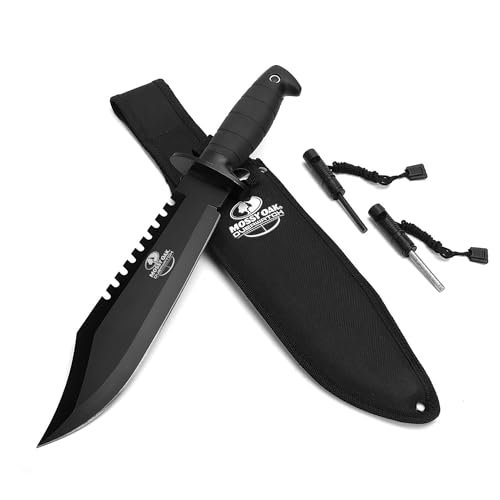
For beginners, this massive fixed blade offers a sense of security that smaller knives cannot match. The 15-inch overall length makes it more of a short machete than a standard knife, which we found incredibly useful for clearing overgrown campsites. It simplifies the process of fire-making by allowing you to chop wood rather than just carve it.
Length: 15″, 10″ Blade, 16.8 oz, Rubber Handle, Fire Starter Included
PROS:
* The rubberized handle provides a very secure grip for high-impact chopping.
* The saw-back spine is surprisingly effective at notching wood for traps or shelters.
* Massive blade size makes it an excellent tool for clearing thick brush.
* Comes with a complete sharpening and fire-starting kit in the box.
CONS:
* The sheer size and weight make it overkill for standard trail hiking.
* The nylon sheath is quite large and can be cumbersome on a belt.
We Tested: We took this beast into a swampy area where we needed to clear a small patch for our tent. It chopped through thick reeds and small saplings with ease, acting more like a hatchet than a knife. While it was heavy on the belt, it saved us from having to carry a dedicated wood-processing tool.
WHO SHOULD BUY THIS: We recommend this for base-campers or those heading into thick brush where trail maintenance is required. It is an excellent value for those who need a large, intimidating tool.
FUNBRO Multitool Carabiner with Pocket Knife
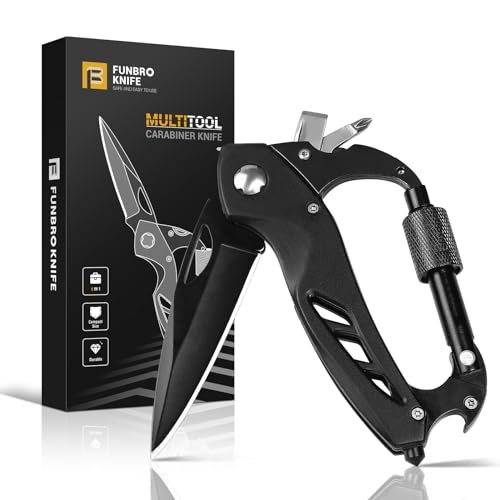
Our value analysis of this carabiner tool showed that it provides the most “features per gram” of anything we tested. It is not just a knife; it is a 6-in-1 solution that includes drivers and a bottle opener. The ability to clip it directly to a backpack strap means you never have to dig through your pack to find your blade.
Weight: 3.8 oz, 4.5″ Long, 6-in-1 Tool, Stainless Steel
PROS:
* The carabiner locking mechanism is very secure for hanging gear.
* Integrated Phillips and flathead drivers are perfect for fixing gear on the go.
* Thumb hole in the blade allows for easy opening even with gloves on.
* The glass breaker adds a layer of emergency utility for travel.
CONS:
* The knife blade is shorter than most dedicated folders.
* Not intended for climbing or supporting human weight.
We Tested: During a group hike, we used the screwdriver to tighten a loose screw on a trekking pole and the bottle opener for a post-hike celebration. Having it clipped to our shoulder strap made it the most-used tool in our kit because it was always within reach. The blade held up surprisingly well for basic tasks like cutting moleskin for blisters.
WHO SHOULD BUY THIS: This is perfect for the casual hiker or the person who loves multi-functional gadgets. We recommend it as a secondary tool that stays on your pack at all times.
Best Backpacking Knife: Top 3 Comparison
When we look at our top three picks, the Morakniv Companion stands out as the best overall choice for pure utility. Its fixed-blade design is inherently stronger than any folder, making it the most reliable for actual survival tasks. However, if you are strictly watching your pack weight, the CIVIVI Mini Praxis is a better fit. It offers superior D2 steel and a much more compact footprint than the Morakniv, though it lacks the raw chopping power of a fixed blade.
For those who want a “do-it-all” kit, the Gerber Gear Ultimate Survival Knife is the clear winner. While it is the heaviest of the three, it replaces several other items in your pack by including a fire starter and sharpener. If you are a minimalist, go with the CIVIVI; if you are a woodsman, choose the Morakniv; and if you are a survivalist, the Gerber is your best bet.
What We Look for in Best Backpacking Knife
When our team tests these tools, we look for three primary factors: edge retention, ergonomics, and weight-to-utility ratio. We want a steel that can handle a week of cutting without needing a stone, but it also needs to be easy enough to sharpen if we do hit a rock. Our team recommends choosing a stainless steel like Sandvik 12C27 or 440C if you hike in humid areas, as carbon steel will rust overnight if not oiled.
We also pay close attention to the handle design. A knife might look great, but if it causes blisters after five minutes of use, it fails our trail test. We look for “neutral” handles that feel comfortable in multiple grip positions. Finally, we weigh the tool. For most backpackers, we recommend a knife that stays under 4 ounces unless you specifically plan on processing large amounts of wood.
How We Choose the Right Best Backpacking Knife
Choosing the right tool starts with an honest assessment of your typical trip. If you are mostly eating freeze-dried meals, you can get away with a lightweight folder like the Gerber Paraframe. If you are building fires every night, a fixed blade like the Mossy Oak or Morakniv becomes necessary.
Our team suggests looking at the locking mechanism as well. For folders, a frame lock or a strong liner lock is essential for safety. Based on our tested experience, we always recommend a knife that can be operated with one hand, as you often use your other hand to hold whatever you are cutting.
Best Backpacking Knife FAQ
What is the Best Backpacking Knife for 2026?
The best backpacking knife for 2026 depends on your specific needs, but the Morakniv Companion remains our top recommendation for its incredible value and durability. For those seeking a more modern folding option, the CIVIVI Mini Praxis offers premium materials and mechanical action that are hard to beat in the current market.
Should I choose a fixed blade or a folding knife for backpacking?
We found that fixed blades are better for heavy tasks like splitting wood or heavy carving because they have no moving parts to fail. Folding knives are better for hikers who want to save space and only need a blade for light food prep and cord cutting.
Is D2 steel better than stainless steel for the trail?
D2 steel has much better edge retention, meaning it stays sharp longer. However, it is a semi-stainless steel, so it can rust more easily than something like 440C or Sandvik steel. If you choose D2, we recommend keeping it dry and occasionally wiping it down with a bit of oil.
How much should a backpacking knife weigh?
Our testing shows that the “sweet spot” for most hikers is between 2 and 4 ounces. If you are an ultralight hiker, you can find functional knives under 1 ounce, while survival-focused knives can weigh over 10 ounces.
Do I need a serrated blade for hiking?
Serrations are helpful for cutting through “tough” materials like climbing rope, webbing, or thick vegetation. However, they are much harder to sharpen in the field. We recommend a plain edge for most users unless you specifically anticipate cutting a lot of rope.
When you purchase a product through Amazon links on kitchinprep.com, we may earn a small commission at no extra cost to you. We may earn a commission on qualifying purchases made through our links, including those from Amazon and other partners, at no extra cost to you.

Kris S. Cary is the founder of KitchinPrep.com and a passionate kitchen enthusiast with over three years of experience in the culinary world. A graduate of the Culinary Management, A.S. program at Daytona State College in Daytona Beach, USA, Kris spent two years honing their skills and deepening their love for cooking and kitchen essentials. Specializing in kitchen baking tools, Kris is dedicated to sharing practical tips, insightful product reviews, and expert guides to help home cooks elevate their baking and cooking game. When not testing the latest kitchen gadgets, Kris is likely whipping up something delicious or dreaming up new ways to inspire culinary creativity.