

Have you ever stood in your kitchen wondering which one to grab — the Dutch oven or the stock pot? I’ve been there more times than I can count, especially on chilly evenings when comfort food calls. After years of cooking everything from rich stews to light soups, I’ve learned these two pots may look alike but cook worlds apart. In this guide, I’ll share what I’ve discovered about the Dutch Oven vs Stock Pot, so you can pick the one that truly fits your kitchen style. Let’s dive in and find your perfect cooking partner.
Is the Caraway Nonstick Ceramic Dutch Oven Good?
Yes, it really is — especially if you care about healthy, non-toxic cooking and want cookware that’s both beautiful and functional.
When I first unboxed the Caraway Nonstick Ceramic Dutch Oven, I could instantly tell this wasn’t your usual pot. The packaging felt thoughtful, the design elegant, and the pot itself looked like something straight out of a modern kitchen catalog.
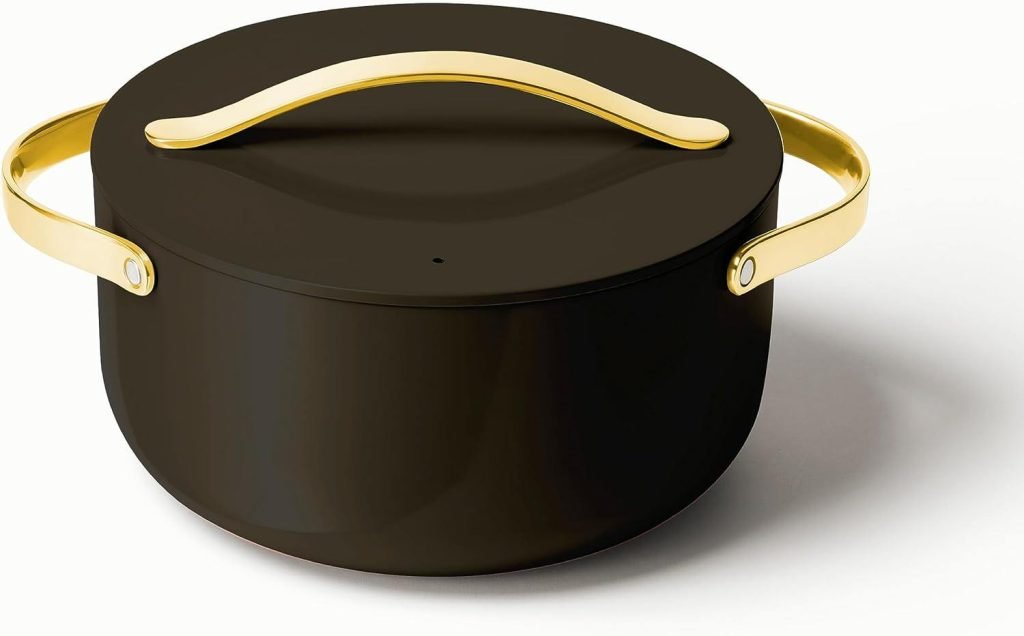

I’ve used it for soups, pasta, and even sourdough bread — and it performed beautifully every time. The non-toxic ceramic coating makes cooking effortless because food doesn’t stick, and cleaning takes seconds. Compared to my old cast iron Dutch oven, it’s much lighter, which makes lifting and storing so much easier.
This 6.5-quart Dutch oven sits perfectly on my gas stove and works just as well on my friend’s induction cooktop. The PTFE & PFOA free coating gives me peace of mind, especially when I’m cooking for my family. It feels like the perfect mix of design, durability, and conscious craftsmanship.
Read: Made In vs Caraway Fry Pan
Read: Caraway vs Le Creuset
What I Like
- Lightweight Yet Durable Build
I love that this ceramic Dutch oven feels sturdy without being as heavy as cast iron. It’s about 30% lighter than my old one, yet it still holds heat evenly for perfect stews and roasts. - Naturally Non-Stick Surface
The eco-friendly nonstick coating means I can use less oil, and food just glides out. It’s ideal for healthy cooking and easy cleanup. I usually just wipe it clean with a soft sponge — no scrubbing needed. - Elegant, Modern Design
The white-and-gold finish looks gorgeous in my kitchen. It’s one of those modern kitchen cookware designs you don’t hide in a cabinet — it’s display-worthy. - Safe for Every Stovetop
I’ve used it on gas, electric, and even induction stoves without any issues. Plus, it’s oven-safe up to 550°F, so I can start a stew on the stove and finish it in the oven. - Non-Toxic and Family-Safe
Knowing it’s PTFE and PFOA free gives me confidence that I’m not cooking with harmful chemicals. For families, that’s a big deal.
What Could Be Better
- Price Point
The Caraway Dutch oven costs more than many traditional ones. But considering it’s non-toxic, ceramic, and long-lasting, I think of it as an investment in health and quality. - Hand-Wash Only
It’s technically dishwasher safe, but Caraway recommends hand washing to preserve the coating. That’s a small trade-off for longevity. - Limited Size Range
Currently, the 6.5-quart size is perfect for most meals, but I wish there were a smaller version for quick, weekday dishes.
Recommendation
If you love to cook and want cookware that’s as safe as it is stunning, the Caraway Nonstick Ceramic Dutch Oven is worth every penny. It’s perfect for anyone who values healthy cooking cookware without toxic coatings, and who wants a piece that doubles as kitchen decor.
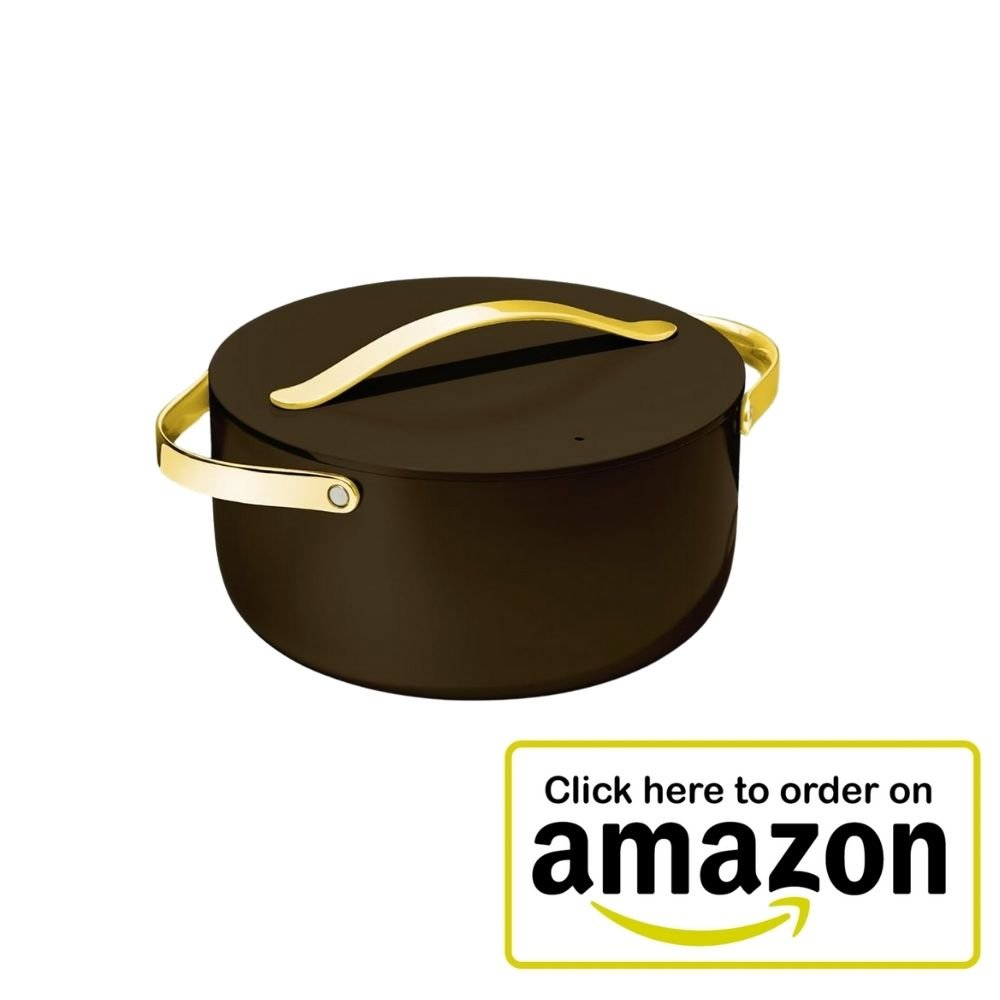
For families, home chefs, and even beginners who want to invest in non-toxic ceramic cookware, this pot delivers performance, style, and peace of mind.
If you’re someone who cooks daily and appreciates sustainable design, you’ll absolutely love it. But if you’re on a tight budget or prefer cast iron’s rustic feel, you might explore ceramic vs cast iron Dutch ovens before deciding.
For me, this Caraway pot has earned a permanent spot on my stove — not just because it cooks well, but because it reflects the kind of conscious, healthy cooking I want in my home.
Is the Kirecoo Stainless Steel Stock Pot Good?
Yes — the Kirecoo Stainless Steel Stock Pot (8 QT) is a great choice if you love cooking hearty meals like soups, pasta, or stews. I’ve been using this pot for a few weeks, and it has quickly become one of my favorite pieces of cookware in the kitchen.
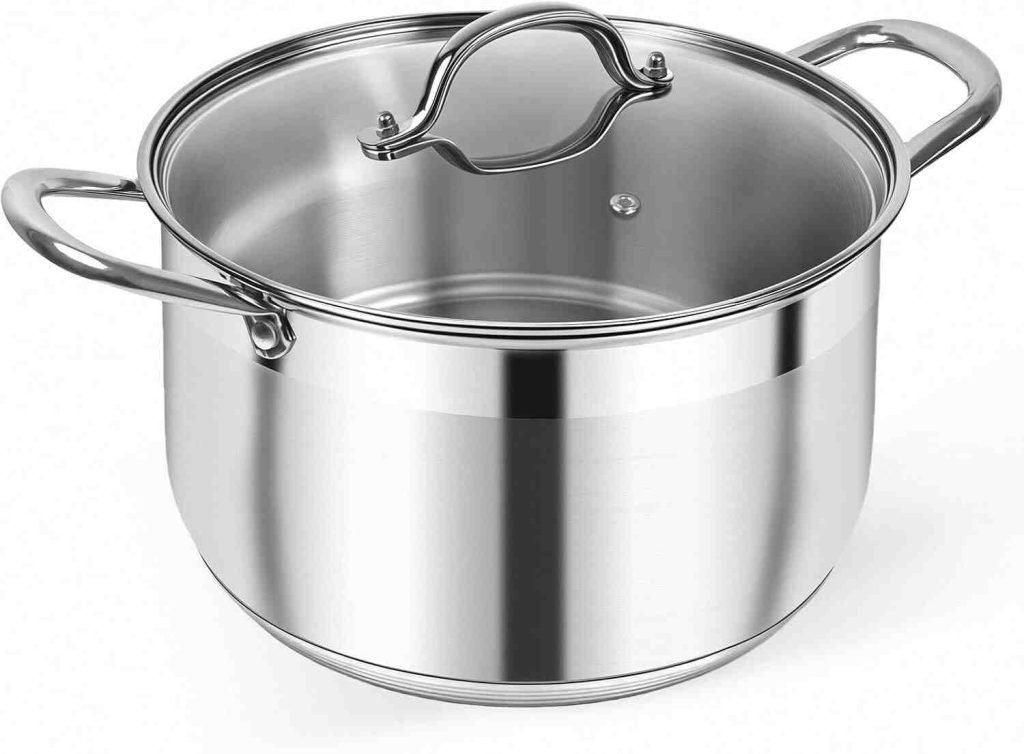
From simmering rich spaghetti sauces to boiling pasta for family dinners, this stainless steel stock pot performs like a pro. Its 5-layer thickened bottom heats evenly, so food cooks consistently without hot spots. I also love that it works perfectly on my induction cooktop, but it’s equally good on gas and electric stoves.
The nonstick interior is another plus — nothing sticks, even thick sauces. Cleaning is easy, and the tempered glass lid lets me check the food without lifting it. The build feels solid yet lightweight, which makes it easy to handle when it’s full of hot soup or broth.
What I Like
- Solid stainless steel construction
The Kirecoo cookware feels premium and sturdy. The polished stainless steel finish adds a touch of shine to my kitchen while resisting stains and rust. I’ve used other stock pots, but this one’s durability stands out. - 5-layer base for even heating
The 5-layer bottom technology really works — the heat spreads fast and stays consistent. When I boil pasta or simmer soup, it never burns at the bottom. It reminds me of some high-end cookware that costs twice as much. - Nonstick and easy to clean
The ceramic-coated nonstick surface makes cleanup quick. Even after boiling spaghetti sauce, I could rinse it clean without scrubbing. That’s a huge time-saver for daily cooking. - Versatile and induction-compatible
I’ve used it on induction, gas, and even ceramic cooktops — all worked great. This wide compatibility makes it ideal for any kitchen setup. - Thoughtful design
The riveted handles are secure and comfortable to grip, even when the pot is full. The transparent lid with steam vent helps keep moisture balanced while cooking.
What Could Be Better
- Not oven-safe
I wish it could go in the oven for finishing dishes or baking bread, but it’s not oven-safe. That’s one area where Dutch ovens still have an edge. - Lid vent can release too much steam
When making slow soups or stews, I noticed the small steam vent lets out more moisture than expected. A tighter seal could help retain flavors even better. - Limited size options
While the 8-quart size is perfect for family meals, a slightly smaller version (like 6 QT) could be handy for quick, everyday cooking.
Recommendation
If you’re looking for a large, reliable stock pot for daily cooking, the Kirecoo Stainless Steel Stock Pot is a smart buy. It’s perfect for families, home chefs, or anyone who loves cooking soups, stews, and pasta dishes in big batches.
I’d recommend this to:
- Home cooks who want a durable and versatile stock pot for induction or gas stoves.
- Families who often cook large portions of soup, spaghetti, or broth.
- Anyone who wants dishwasher-safe, easy-to-clean cookware without paying premium prices.
If you’re into oven baking or slow roasting, a Dutch oven might be a better fit. But for boiling, simmering, and canning — this Kirecoo stock pot truly shines.
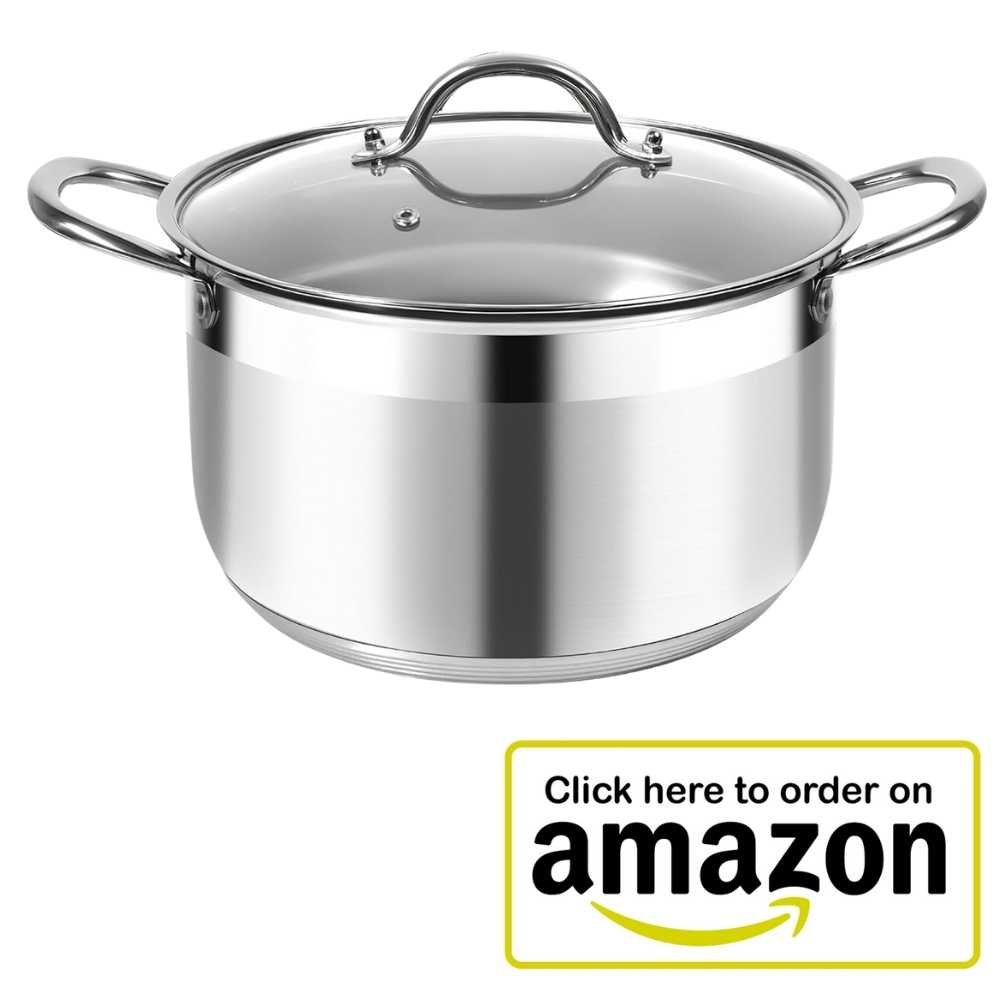
It’s a dependable, well-built pot that makes everyday cooking smoother and more enjoyable. I’d confidently recommend it as one of the best stainless steel stock pots for anyone who values performance, durability, and simplicity.
Dutch Oven vs Stock Pot — My Honest Comparison
I’ve cooked with both a Dutch oven and a stock pot for years, and each has its own magic. The Dutch oven feels cozy and traditional — like something you’d use on a lazy Sunday for slow-cooked stews. The stock pot, on the other hand, feels like a practical workhorse — quick to heat, perfect for soups, pasta, and boiling.
So, which one wins? Let’s compare them side by side based on how they perform in real kitchens.
1. Material & Build Quality
Both cookware types are built for durability, but they feel different. My Dutch oven (enameled cast iron) is heavier, which helps retain heat for a long time. The Kirecoo stainless steel stock pot feels lighter yet sturdy, with a 5-layer thickened base that heats evenly without hot spots.
When I hold the Dutch oven, it feels classic and grounded — like something passed down in families. The stock pot feels more modern and convenient for everyday cooking.
| Feature | Dutch Oven | Stock Pot (Kirecoo 8 QT) |
| Material | Enameled cast iron | Polished stainless steel |
| Weight | Heavy | Lightweight |
| Heat Retention | Excellent | Moderate |
| Heat Distribution | Even but slow | Even and fast |
🏆 Winner: Stock Pot – The Kirecoo stainless steel pot wins for its lightweight build and fast heating, making it easier for daily cooking.
2. Cooking Performance
Cooking in both feels different. The Dutch oven is unbeatable for slow braising and baking — it locks in flavor and moisture beautifully. But for everyday meals, I find myself reaching for the stock pot more often.
When I’m boiling pasta, making broth, or simmering soup, the stock pot’s quick heat response makes life so much easier. The nonstick interior of the Kirecoo pot also means no stuck food and faster cleanup.
| Feature | Dutch Oven | Stock Pot (Kirecoo 8 QT) |
| Cooking Style | Slow, flavorful cooking | Quick, efficient cooking |
| Best For | Stews, roasts, bread | Soups, pasta, boiling |
| Cleanup | Hand wash recommended | Dishwasher-safe |
| Heating Speed | Slow | Fast |
🏆 Winner: Stock Pot – It’s more versatile for everyday cooking, faster to heat, and much easier to clean.
3. Versatility & Compatibility
The Dutch oven shines in the oven — I’ve baked bread and even roasted chicken in it. But it’s not ideal for induction or quick stovetop meals. The Kirecoo stock pot, on the other hand, is induction-compatible and works on all cooktops — gas, electric, or ceramic.
When I want one pot that handles everything on the stovetop, I go for the Kirecoo. It even fits perfectly for canning, boiling, and big family dinners.
| Feature | Dutch Oven | Stock Pot (Kirecoo 8 QT) |
| Oven-Safe | Yes | No |
| Cooktop Compatibility | Gas, electric | Gas, electric, induction, ceramic |
| Size Options | Limited | 5QT, 8QT, 12QT |
| Everyday Use | Moderate | High |
🏆 Winner: Stock Pot – The wide compatibility and large size options make it perfect for daily cooking routines.
4. Ease of Use & Maintenance
Let’s be honest — cleaning a Dutch oven takes work. It’s heavy, and food sometimes sticks if the heat gets too high. The Kirecoo stock pot feels effortless in comparison. The nonstick ceramic interior means no scrubbing, and it’s dishwasher-safe too.
I’ve dropped both once (oops). The Dutch oven chipped slightly; the Kirecoo didn’t even dent. That speaks volumes about how forgiving stainless steel can be.
| Feature | Dutch Oven | Stock Pot (Kirecoo 8 QT) |
| Ease of Cleaning | Moderate | Excellent |
| Dishwasher Safe | No | Yes |
| Durability | High but brittle | High and flexible |
| Maintenance | Needs care | Low maintenance |
🏆 Winner: Stock Pot – Easier to handle, easy to clean, and built for everyday life.
5. Price & Value
Dutch ovens usually cost more — you’re paying for the cast iron and enamel finish. They’re long-lasting but not always budget-friendly. The Kirecoo stainless steel stock pot, priced around $29.99, delivers amazing value for what you get — 5-layer base, nonstick coating, and durability.
For everyday family cooking, I’d rather have a pot I can use freely without worrying about scratches or chips.
| Feature | Dutch Oven | Stock Pot (Kirecoo 8 QT) |
| Average Price | $60–$200 | $25–$40 |
| Value for Money | Great for long-term use | Excellent for daily use |
| Maintenance Cost | Moderate | Minimal |
| Durability Over Time | Long-lasting | Long-lasting and practical |
🏆 Winner: Stock Pot – It offers unbeatable value at an affordable price point.
Overall Verdict
After using both, I’d say:
- The Dutch oven is perfect for slow-cooked comfort food and oven dishes.
- The Kirecoo Stainless Steel Stock Pot is ideal for daily cooking — soups, pasta, boiling, and canning.
For me, the Kirecoo stock pot wins overall because it’s light, versatile, and budget-friendly. It fits real-life cooking — fast, simple, and satisfying.
If you’re someone who loves one-pot meals, it’s a smart investment that will serve you well for years.
✅ Final Ratings (Based on Personal Use)
| Category | Dutch Oven | Kirecoo Stock Pot |
| Build Quality | 9/10 | 9/10 |
| Performance | 8/10 | 9/10 |
| Ease of Use | 7/10 | 9/10 |
| Value for Money | 7/10 | 10/10 |
| Overall Rating | 7.8/10 | 9.3/10 |
🏆 Overall Winner: Kirecoo Stainless Steel Stock Pot (8 QT)
It’s affordable, easy to maintain, and performs beautifully for everyday cooking — a real kitchen essential.
My Final Thoughts
If you love slow, cozy meals and don’t mind a little extra care, the Dutch oven will steal your heart. But if your kitchen rhythm is fast and you want something light, versatile, and easy to clean, the Kirecoo Stock Pot fits like a dream.
From weeknight soups to Sunday stews, both serve their purpose — it really depends on your cooking style. For me, the stock pot wins most days because it feels effortless and reliable. Still, I’ll always keep my Dutch oven nearby for those moments when I crave slow comfort and a touch of nostalgia.
FAQs — Dutch Oven vs Stock Pot
1. What is the main difference between a Dutch oven and a stock pot?
A Dutch oven is heavy and ideal for slow-cooked meals, while a stock pot is lightweight, perfect for boiling, soups, and quick recipes.
2. Can I use a Dutch oven instead of a stock pot?
Yes, but it depends on your meal. A Dutch oven works for smaller batches, while a stock pot handles large amounts of soup, broth, or pasta.
3. Is the Kirecoo Stock Pot good for induction cooktops?
Absolutely! The Kirecoo stainless steel stock pot has a 5-layer base that works perfectly on induction, gas, and electric cooktops.
4. Which cookware is easier to clean — Dutch oven or stock pot?
The stock pot is easier to clean thanks to its nonstick ceramic coating and dishwasher-safe design, unlike most Dutch ovens that need hand washing.
5. Which one lasts longer — Dutch oven or stock pot?
Both last years with care. The Dutch oven is tougher but can chip, while the stainless steel stock pot resists dents and daily wear better.
6. Can I bake bread in a stock pot like a Dutch oven?
Not really. A Dutch oven can handle high oven temperatures, while a stock pot is not oven-safe and better for stovetop use.
7. Is stainless steel cookware better than cast iron?
It depends. Stainless steel heats faster and cleans easier, while cast iron holds heat longer and gives that deep, rich flavor in slow-cooked meals.
8. Which one is best for beginners — Dutch oven or stock pot?
For beginners, the stock pot is simpler, lighter, and less maintenance. The Dutch oven needs more care but rewards you with rich, flavorful dishes.
9. What size stock pot is best for family cooking?
An 8-quart stock pot like the Kirecoo is ideal. It’s large enough for family meals, soups, or pasta, yet light enough for easy handling.
10. Can I use both a Dutch oven and stock pot in the same kitchen?
Yes — and you should! The Dutch oven is great for slow comfort meals, and the stock pot is your go-to for everyday cooking.
When you purchase a product through Amazon links on kitchinprep.com, we may earn a small commission at no extra cost to you. We may earn a commission on qualifying purchases made through our links, including those from Amazon and other partners, at no extra cost to you.

Kris S. Cary is the founder of KitchinPrep.com and a passionate kitchen enthusiast with over three years of experience in the culinary world. A graduate of the Culinary Management, A.S. program at Daytona State College in Daytona Beach, USA, Kris spent two years honing their skills and deepening their love for cooking and kitchen essentials. Specializing in kitchen baking tools, Kris is dedicated to sharing practical tips, insightful product reviews, and expert guides to help home cooks elevate their baking and cooking game. When not testing the latest kitchen gadgets, Kris is likely whipping up something delicious or dreaming up new ways to inspire culinary creativity.