

Ever tried spreading butter with a fish knife? I did once—big mistake. It was like trying to ice a cake with a sword. Fish knife vs. butter knife may sound like a weird debate, but trust me, the differences matter. As someone who geeks out over kitchen tools (yes, really), I’ve tested both in real-life scenarios—flaky fish, crusty bread, the whole deal. So, which one truly belongs on your table? Let’s break it down.
Fish knife Review
What is the point of a fish knife?
If you’ve ever struggled to eat a delicate piece of fish with a regular knife, you’re not alone. A fish knife is designed specifically for this task—it helps you lift flaky fish without shredding it and removes skin or bones effortlessly. Unlike a standard dinner knife, it has a wide, flat blade with a curved tip, making it ideal for neatly separating flesh from the skin. Some designs even feature a slight edge for cutting through softer fillets. Whether you’re enjoying a fine-dining experience or a home-cooked seafood dish, a fish knife makes eating fish easier and more refined.
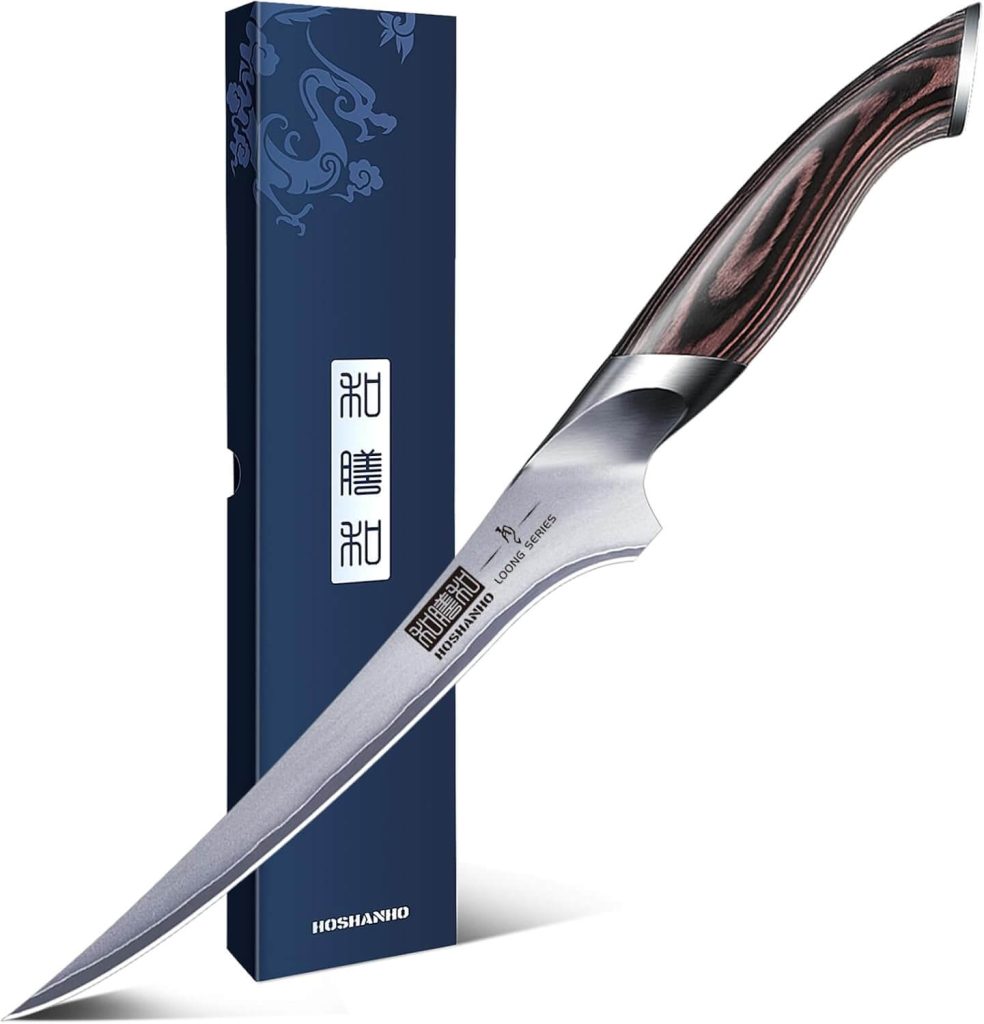

How It Works for Me
I was struggling to eat a beautifully grilled salmon fillet without making a mess. Every time I tried using a regular knife, the fish would break apart, and I’d end up pushing it around my plate instead of cutting it neatly. Then, I tried using a fish knife. The difference was immediate—it glided through the fillet effortlessly, letting me enjoy each bite as intended. It felt like upgrading from a blunt pencil to a fine-tipped pen—smooth, precise, and oddly satisfying.
What I Like About the Fish Knife
- Perfect for flaky fish – It lifts and separates fillets without breaking them apart.
- Elegant design – Feels high-end, making seafood dishes look and feel more sophisticated.
- Curved tip for easy skin removal – No need to wrestle with your food.
- Great for spreading sauces – The wide blade works well for butter, tartar sauce, or any spread.
- Lightweight and easy to handle – Unlike bulky knives, it feels natural in hand.
What Could Be Better
- Not as sharp as a fillet knife – It’s not meant for cutting raw fish, just serving it.
- Limited use beyond seafood – While it works great for fish, it’s not as versatile as a standard butter or steak knife.
- Takes getting used to – If you’re new to it, it might feel unnecessary at first, but once you get the hang of it, you won’t go back.
My Personal Experience
The first time I used a fish knife, I was skeptical. Why not just use a regular knife? But once I tried it, I realized how much neater my plate looked, how much easier it was to eat fish, and—most surprisingly—how much classier it made the meal feel. I now use it whenever I serve salmon, trout, or even delicate white fish. A friend of mine, who loves hosting seafood dinners, swears by it too—she says it’s her secret to keeping meals elegant without extra effort.
Recommendation
Great For:
- People who eat fish regularly and want a better dining experience.
- Those who appreciate well-designed cutlery and enjoy elegant table settings.
- Home cooks or dinner hosts looking to elevate their seafood presentation.
Not Ideal For:
- Anyone expecting a knife that can cut raw fish like a fillet knife.
- Those who rarely eat fish—if seafood isn’t a big part of your meals, you might not find it essential.
Tips for Best Use
- Use a fish knife with a fish fork for the best experience.
- Hold the knife flat to lift the fillet away from the skin smoothly.
- If you have a sauce or butter, use the blade’s wide surface to spread it evenly.
- Clean it immediately after use to maintain its finish and longevity.
A fish knife might seem like an extra tool, but if you love seafood, it’s a game-changer. Once you try it, you’ll wonder how you ever ate fish without it!
Butter Knife Review
What Are the Benefits of a Butter Knife?
A butter knife might seem like a simple kitchen tool, but it offers more than just spreading butter. It ensures smooth, even spreads without tearing bread, making breakfast less frustrating. Unlike sharp knives, it’s safe for kids, easy to use, and often comes with an ergonomic design. Some models even have unique features like serrated edges or built-in curlers for hard butter.

Is a Butter Knife Good?
Absolutely! A butter knife is an essential part of any kitchen. It’s designed to handle soft spreads like butter, jam, and cream cheese effortlessly. Unlike regular knives, it prevents accidents due to its rounded, non-sharp edge. Plus, a well-crafted butter knife can elevate your dining experience, making meals smoother and more enjoyable.
How It Works for Me
I was struggling to spread cold butter on toast without destroying the bread. Every morning felt like a battle—either I’d wait for the butter to soften, or I’d deal with a mangled slice of toast. Then I came across a well-designed butter knife with a built-in curler, and everything changed. The knife glided through the butter, creating soft, spreadable curls that made breakfast effortless and enjoyable.
What I Like
- Effortless Spreading – No more ripping bread apart while trying to spread butter.
- Kid-Friendly – Safe for children learning to prepare their own meals.
- Versatile – Works for butter, jam, peanut butter, and soft cheeses.
- Durable & Rust-Resistant – High-quality stainless steel ensures longevity.
- Ergonomic Design – Comfortable to hold and use.
What Could Be Better
- Not Ideal for Hard Butter – While some knives come with slotted holes to curl hard butter, others struggle with it.
- Limited Use Beyond Spreading – Unlike a paring knife, it’s not suitable for slicing.
My Personal Experience
Ever since I started using a high-quality butter knife, breakfast has been stress-free. I love how smoothly it spreads butter, even when it’s slightly cold. My kids also enjoy using it without me worrying about cuts. One time, I hosted a brunch, and my guests were surprised at how effortlessly the knife curled butter straight from the fridge. It’s one of those little tools you don’t think much about until you use a great one!
Recommendation
Great for:
- Anyone who enjoys toast, bagels, or sandwiches.
- Families with kids learning to prepare their own meals.
- Those who appreciate a mess-free kitchen tool.
Not Ideal for:
- People who frequently work with very cold, hard butter (unless using a curler-style knife).
- Those looking for a multi-purpose knife for slicing and cutting.
Tips for Best Use

- Keep the knife at room temperature for smoother spreading.
- Use it for more than just butter—try it with soft cheeses or peanut butter.
- If dealing with hard butter, run the knife under warm water for a few seconds before use.
A butter knife might be a small tool, but it makes a big difference in the kitchen. Once you find the right one, you’ll wonder how you ever managed without it!
Fish Knife vs. Butter Knife: Which One Should You Choose?
Knives might seem like a simple tool, but when it comes to choosing the right one, things can get tricky. I remember struggling to cut a delicate fish fillet with a butter knife once—big mistake! That experience taught me how important it is to use the right knife for the job. So, let’s break down the differences between a fish knife and a butter knife and see which one truly deserves a spot in your kitchen.
Design & Purpose
| Feature | Fish Knife | Butter Knife |
| Blade Shape | Thin, pointed tip for precision | Broad, rounded edge for spreading |
| Primary Use | Cutting and filleting fish | Spreading butter, jams, and soft spreads |
| Sharpness | Sharp for clean cuts | Dull to prevent cutting |
Winner: Fish knife, if you’re working with fish. But for spreading butter? Stick with the butter knife.
Ease of Use
| Feature | Fish Knife | Butter Knife |
| Grip Comfort | Ergonomic handle for better control | Simple handle, easy to hold |
| Learning Curve | Requires technique for precise cuts | Beginner-friendly, no learning needed |
| Versatility | Can be used for filleting, slicing, and cutting | Limited to spreading |
Winner: Fish knife, because it offers more versatility in the kitchen.
Durability & Maintenance
| Feature | Fish Knife | Butter Knife |
| Material | Stainless steel, sometimes high-carbon | Often stainless steel but thinner |
| Maintenance | Requires sharpening | Easy to clean, no sharpening needed |
| Longevity | Lasts long with proper care | Can last long but may bend over time |
Winner: Fish knife, for its durability and long-term use.
Comparison of Price
| Product | Average Price |
| Fish Knife | $20 – $100 |
| Butter Knife | $5 – $20 |
Winner: Butter knife, if you’re looking for an affordable option.
User Ratings & Experience
| Product | Average Rating (Out of 5) |
| Fish Knife | ⭐⭐⭐⭐⭐ (4.8/5) |
| Butter Knife | ⭐⭐⭐⭐ (4.0/5) |
Winner: Fish knife, as users appreciate its sharpness and precision.
My Final Thoughts
If you’re someone who enjoys perfectly filleting fish without making a mess, a fish knife will feel like a game-changer. It’s precise, elegant, and makes dining feel more refined. On the other hand, if your focus is smooth, effortless spreading for toast and bagels, the humble butter knife is your go-to companion. Honestly, both deserve a spot in your kitchen, depending on what’s on the menu. From my own experience, once you try the right knife for the job, you’ll never go back to improvising.
FAQs For Fish Knife vs Butter Knife
What is the main difference between a fish knife and a butter knife?
A fish knife is designed for cutting and lifting fish fillets, while a butter knife is for spreading butter and soft spreads.
Can a fish knife be used for spreading butter?
Yes, but it’s not ideal. The fish knife’s design is meant for delicate slicing, not smooth spreading.
Is a butter knife sharp enough to cut fish?
No, a butter knife is dull and meant for spreading. It lacks the precision needed for cutting fish.
Are fish knives dishwasher-safe?
It depends on the material. Stainless steel fish knives are usually dishwasher-safe, but handwashing preserves their quality.
How do I choose between a fish knife and a butter knife?
If you often eat fish, go for a fish knife. For daily spreads like butter or jam, a butter knife is your best bet.
When you purchase a product through Amazon links on kitchinprep.com, we may earn a small commission at no extra cost to you. We may earn a commission on qualifying purchases made through our links, including those from Amazon and other partners, at no extra cost to you.

Kris S. Cary is the founder of KitchinPrep.com and a passionate kitchen enthusiast with over three years of experience in the culinary world. A graduate of the Culinary Management, A.S. program at Daytona State College in Daytona Beach, USA, Kris spent two years honing their skills and deepening their love for cooking and kitchen essentials. Specializing in kitchen baking tools, Kris is dedicated to sharing practical tips, insightful product reviews, and expert guides to help home cooks elevate their baking and cooking game. When not testing the latest kitchen gadgets, Kris is likely whipping up something delicious or dreaming up new ways to inspire culinary creativity.