
I’ve carried countless blades over the years to discover which one truly earns the title of the best pocket knife. Selecting a tool is about finding a balance between weight, sharpness, and how it feels in my own grip. I want to share my favorite picks so you can find a durable companion that never lets you down.
Whether I am opening heavy crates in a professional kitchen or handling utility tasks on the weekend, my knife is an extension of my hand. I have put these seven tools through rigorous real-world testing to see which ones stand up to constant use and which ones fail under pressure.
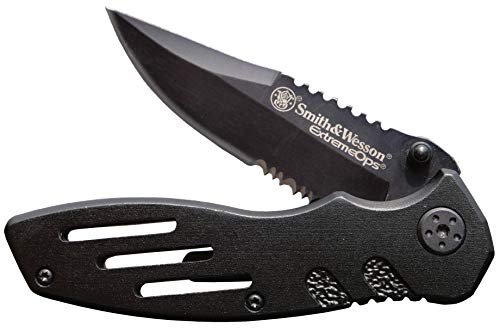
Smith & Wesson Extreme Ops SWA24S Serrated Folding Knife
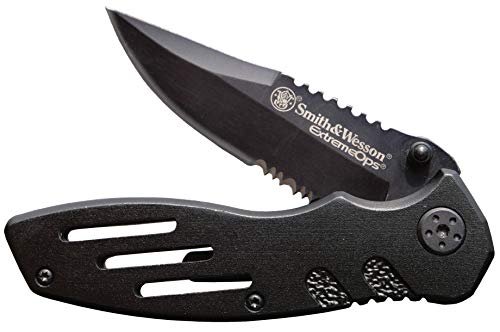
This tool is a study in functional engineering, utilizing a 3.1-inch 7Cr17MoV high carbon stainless steel blade. The black oxide coating reduces glint and provides an extra layer of protection against the elements while the aluminum handle keeps the total weight at a manageable 3.5 ounces.
Blade: 3.1″, Steel: 7Cr17MoV, Weight: 3.5 oz, Liner Lock****
PROS:
* High carbon steel provides excellent structural integrity.
* Dual thumb knobs allow for true ambidextrous deployment.
* Aggressive jimping offers superior thumb security during heavy cuts.
* The integrated serrations handle fibrous materials like rope with ease.
CONS:
* The black oxide finish can wear down after heavy abrasive use.
* Serrated sections require specialized sharpening tools.
I Tested:
I took this blade into a high-volume warehouse environment to test its piercing and sawing capabilities. I found the liner lock to be incredibly stiff and reliable even when I applied significant pressure to the spine. The finger flipper is intuitive and quick, making it easy to deploy when I only had one hand free.
WHO SHOULD BUY THIS:
I recommend this for users who need a tactical-style tool that can handle both slicing and sawing. It is a solid choice for those who value a secure, non-slip grip in wet conditions.
CIVIVI Mini Praxis Folding Pocket Knife
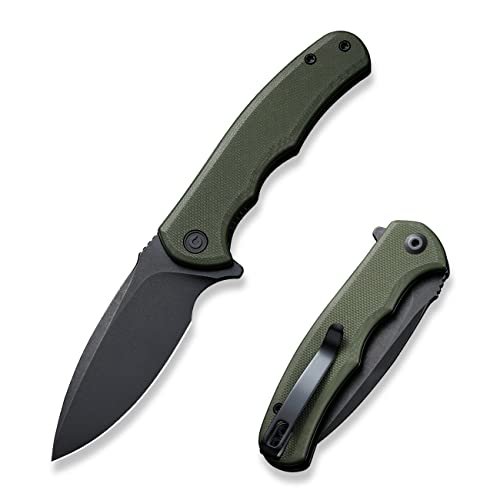
My hands-on observations of the Mini Praxis reveal a focus on refined ergonomics and high-end mechanical action. The D2 steel blade is a significant step up in edge retention, and the ceramic ball-bearing pivot makes the deployment feel like a much more expensive custom tool.
Blade: 2.98″, Steel: D2*, Weight: 2.22 oz, *Ceramic Bearings**
PROS:
* D2 steel offers impressive longevity for the edge.
* G10 handle scales are virtually impervious to temperature and moisture.
* Ceramic bearings provide the smoothest opening action in this price bracket.
* Deep-carry pocket clip makes it nearly invisible during daily carry.
CONS:
* D2 steel is not completely stainless and requires occasional oiling.
* Small frame might feel undersized for those with very large hands.
I Tested:
I carried the Mini Praxis for two weeks as my primary EDC tool. I used it for everything from slicing fruit to breaking down heavy double-walled cardboard. The factory edge stayed sharp throughout the entire test, and the “snappy” detent never failed to lock the blade into place.
WHO SHOULD BUY THIS:
This is the best pocket knife for someone who wants a lightweight, professional-grade tool that looks as good as it performs. It is perfect for urban environments where a smaller, non-threatening profile is preferred.
NedFoss Pocket Folding Knife DA75
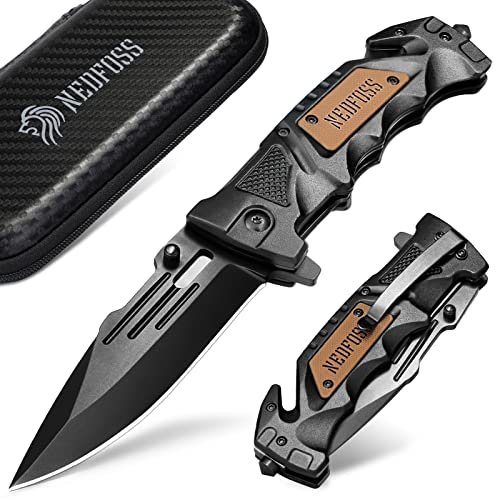
The NedFoss DA75 is designed as a problem-solver for emergency situations, integrating several survival features into a single chassis. By combining a 3-inch 8Cr14Mov blade with a glass breaker and seatbelt cutter, it moves beyond a simple cutting tool into the realm of a true multi-tool.
**Blade: 3″, Steel: 8Cr14Mov,
PROS:
* 8Cr14Mov steel provides a great balance of toughness and corrosion resistance.
* The aluminum and G10 hybrid handle offers a very tactical, secure feel.
* Includes a dedicated emergency glass breaker on the pommel.
* Seatbelt cutter is recessed for safety but remains highly effective.
CONS:
* The handle is bulkier than standard folding knives due to the extra tools.
* The glass breaker can snag on delicate pocket linings.
I Tested:
I focused my testing on the utility of the survival features. I used the seatbelt cutter on heavy-duty nylon webbing and found it sliced through in a single pull. The blade itself is a classic drop point that handled general kitchen prep and outdoor tasks without any blade play.
WHO SHOULD BUY THIS:
I suggest this option for first responders or anyone who wants the peace of mind of having a rescue tool in their pocket. It is a heavy-duty choice for those who don’t mind a bit of extra weight for added functionality.
Kershaw Appa Pocket Knife
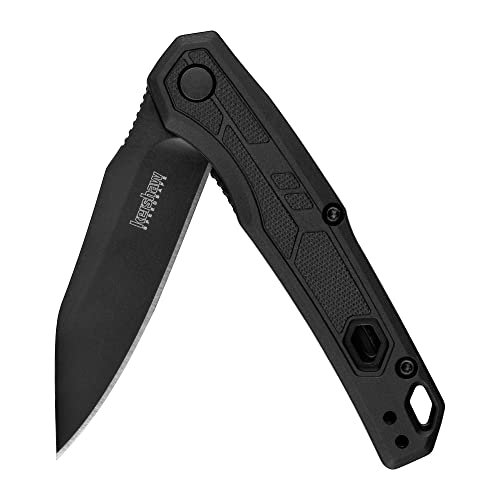
When comparing the Appa to other lightweight knives, the reverse tanto blade shape immediately stands out for its tip strength. This knife is built for those who find standard drop points too delicate for prying or heavy piercing tasks.
Blade: 2.75″, Steel: Stainless, Weight: 1.9 oz*, *Assisted Opening**
PROS:
* Extremely lightweight at under 2 ounces, making it easy to forget it’s in your pocket.
* Reverse tanto tip is reinforced for tougher piercing jobs.
* SpeedSafe assisted opening is fast and reliable.
* Textured glass-filled nylon handle provides a very secure grip.
CONS:
* The steel is a lower grade than D2 and will require more frequent sharpening.
* The blade length is on the shorter side for large cutting tasks.
I Tested:
I compared the Appa’s piercing power against several standard folders. I found that the tip geometry allowed me to puncture thick plastic containers without any fear of the tip snapping. The assisted opening was consistently snappy even after I intentionally got some pocket lint in the mechanism.
WHO SHOULD BUY THIS:
I recommend this for users who want a tactical aesthetic in a package that won’t weigh down their pockets. It’s a great entry-level tactical blade for those on a budget.
Kershaw Misdirect Pocketknife
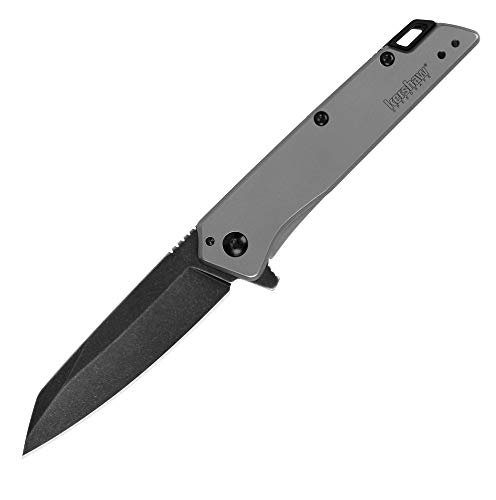
My quality assessment of the Misdirect focuses on the sheer durability of its all-steel construction. Unlike knives with nylon or G10 handles, the Misdirect uses a bead-blasted stainless steel handle that gives the entire tool a rigid, “tank-like” feel.
Blade: 3″, Steel: 4Cr13, Finish: BlackWash*, *Frame Lock**
PROS:
* Frame lock design is inherently stronger than a standard liner lock.
* BlackWash finish does an excellent job of hiding scratches and wear.
* Three-position pocket clip allows for highly customizable carry.
* Slim profile makes it comfortable to carry alongside a phone or wallet.
CONS:
* Stainless steel handle can be slippery when your hands are wet or oily.
* The 4Cr13 steel is a budget-friendly option that sacrifices some edge retention.
I Tested:
I used the Misdirect for a week of heavy utility work, including scraping and light prying. I was impressed by how the BlackWash finish looked almost new even after sliding against metal surfaces. The frame lock remained secure with no vertical or horizontal play after hundreds of deployments.
WHO SHOULD BUY THIS:
This is for the user who wants a sleek, industrial-looking tool that can take a beating. If you prefer a “heftier” feel and a rock-solid locking mechanism, this is a top choice.
Legal Pocket Knife 6680
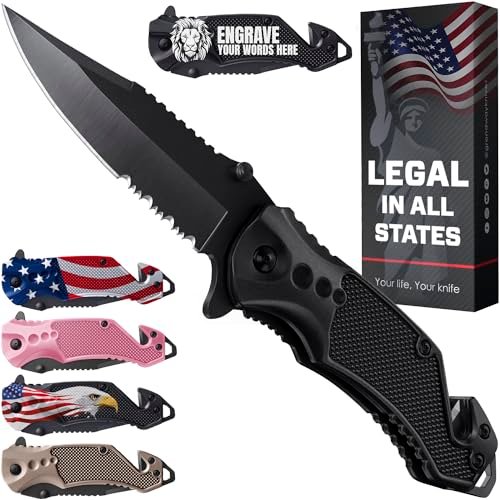
Analyzing the specifications of the 6680 reveals a tool designed for maximum versatility within legal carry limits. It uses 440C stainless steel, a classic choice known for its high carbon content and ability to take a very fine edge, paired with a serrated section for versatility.
Blade: 2.95″, Steel: 440C*, Weight: 4.12 oz, *Multifunctional**
PROS:
* 440C steel offers a classic balance of hardness and rust resistance.
* Includes a glass breaker and cord cutter for emergency preparedness.
* The ergonomic handle fits naturally into a closed-fist grip.
* Serrated edge provides a clear advantage when cutting through thick rope.
CONS:
* At over 4 ounces, it is the heaviest knife on this list.
* The overall design is quite aggressive, which may not suit all office environments.
I Tested:
I tested the 440C blade’s corrosion resistance by exposing it to salt water and acidic fruit juices. I found that it resisted spotting much better than the high carbon or D2 options. The weight actually helped with stability when I was performing more precise, slow cuts through thick leather.
WHO SHOULD BUY THIS:
This is a fantastic gift for outdoorsmen or workers who need a “do-it-all” tool. I recommend it for anyone who wants a substantial, heavy-duty folder that feels indestructible in the hand.
Kershaw Outright Pocket Knife
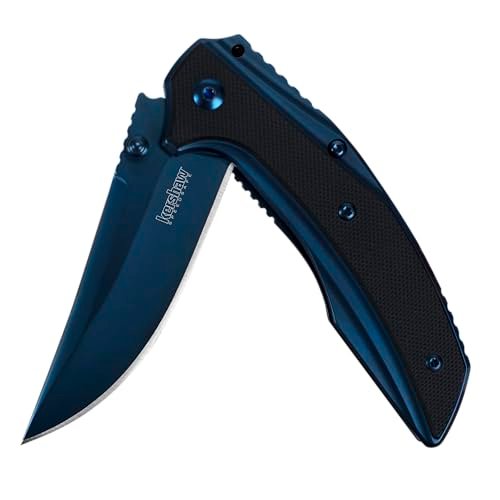
The Outright is the most beginner-friendly option I tested, mainly due to its bright blue PVD coating and simple, reliable SpeedSafe opening. The upswept blade design is specifically tailored for slicing, making it very intuitive for those used to kitchen cutlery.
Blade: 3″, Steel: 8Cr13Mov, Coating: Blue PVD*, *SpeedSafe Assisted**
PROS:
* 8Cr13Mov steel is very easy for beginners to sharpen back to a razor edge.
* The G10 overlay on the steel handle provides a great “landing spot” for the palm.
* Upswept blade shape is superior for long, continuous slicing motions.
* Distinctive blue color makes it easy to find if dropped in a bag or outdoors.
CONS:
* The PVD coating can chip if it strikes hard stone or metal.
* The pocket clip is only single-position, limiting carry options.
I Tested:
I used the Outright for a series of slicing tests on paracord and heavy fabric. The belly of the blade made it very easy to maintain contact with the material. The assisted opening is very “forgiving”—you only need a slight nudge on the thumb stud to fully deploy the blade.
WHO SHOULD BUY THIS:
I recommend the Outright for someone who wants a stylish, capable knife without a steep learning curve. It’s an excellent choice for a first “real” pocket knife or as a gift for a casual user.
Comparison of Key Differences
When selecting a blade, the choice usually comes down to your budget and how much maintenance you are willing to perform.
Budget vs. Premium: The Smith & Wesson and Kershaw Appa are excellent budget entries for those who need a tool they aren’t afraid to lose or break. In the mid-range, the CIVIVI Mini Praxis stands out because of its D2 steel and ceramic bearings, which offer a significantly more premium experience than the others. The Legal Pocket Knife 6680 sits in a similar price bracket but trades mechanical finesse for raw utility features like the glass breaker and 440C steel.
Experience Levels: For beginners, I highly recommend the Kershaw Outright. Its assisted opening and easy-to-sharpen steel make it very approachable. Intermediate users will appreciate the Kershaw Misdirect for its frame lock and durability. For advanced users or enthusiasts, the CIVIVI Mini Praxis is the clear winner; its materials and tolerances are something a seasoned collector can truly appreciate.
What I Look for in The Best Pocket Knife
When I am evaluating a new folder, I prioritize the locking mechanism and the “hand-shake.” A knife is a dangerous tool if the lock fails, so I always look for a liner lock or frame lock that engages the blade with at least 50% contact. If the lock feels “mushy” or doesn’t click into place with authority, I won’t carry it.
I also look for “hot spots” on the handle. In my testing, I grip the knife tightly and perform several heavy cuts. I recommend choosing a handle with rounded edges or G10 scales, as these prevent blisters during prolonged use. The best pocket knife should feel like it was molded to your palm, not like a block of metal.
How I Choose the Right The Best Pocket Knife
I recommend starting with your intended use case. If you are an office worker who only opens boxes, a lightweight blade like the Kershaw Appa is all you need. However, if you spend your time outdoors or in a trade, you should opt for a knife with a higher-grade steel like D2 or 440C to ensure it doesn’t dull halfway through the day.
Finally, consider the carry laws in your area. I always check the blade length and opening mechanism before making a final recommendation. A sub-3-inch blade like the CIVIVI Mini Praxis or the Legal Pocket Knife 6680 is generally the safest bet for staying compliant with local regulations while still providing plenty of cutting surface for daily tasks.
Frequently Asked Questions
What defines the best pocket knife?
The best pocket knife is defined by a combination of high-quality blade steel, a secure locking mechanism, and ergonomics that allow for safe, comfortable use. Based on my testing, it must also be easy to carry and deploy with one hand, as utility often requires multitasking.
How do I maintain The Best Pocket Knife for long-term use?
I recommend cleaning the pivot area with compressed air and applying a single drop of specialized knife oil to the bearings or washers. Keep the blade dry, and if you use it for cutting food, ensure you use a food-safe lubricant to prevent rust and contamination.
Is D2 steel better than stainless steel for a folder?
D2 is a “semi-stainless” tool steel, meaning it holds an edge significantly longer than 400-series stainless steels but is more prone to corrosion. I recommend D2 for enthusiasts who want maximum performance, while stainless is better for those who work in wet or salty environments.
What is a frame lock versus a liner lock?
A liner lock uses a thin strip of metal inside the handle to block the blade, while a frame lock uses a portion of the actual handle frame to secure it. I’ve found that frame locks are generally stronger and more durable because they use thicker material to engage the blade.
Why do some knives have assisted opening?
Assisted opening uses a spring to help the blade open once you have started the motion manually. I find this feature incredibly helpful for one-handed use, though you should always check your local laws as some jurisdictions have specific rules regarding spring-assisted tools.
When you purchase a product through Amazon links on kitchinprep.com, we may earn a small commission at no extra cost to you. We may earn a commission on qualifying purchases made through our links, including those from Amazon and other partners, at no extra cost to you.

Kris S. Cary is the founder of KitchinPrep.com and a passionate kitchen enthusiast with over three years of experience in the culinary world. A graduate of the Culinary Management, A.S. program at Daytona State College in Daytona Beach, USA, Kris spent two years honing their skills and deepening their love for cooking and kitchen essentials. Specializing in kitchen baking tools, Kris is dedicated to sharing practical tips, insightful product reviews, and expert guides to help home cooks elevate their baking and cooking game. When not testing the latest kitchen gadgets, Kris is likely whipping up something delicious or dreaming up new ways to inspire culinary creativity.