

choosing between Zwilling vs Henckels by thinking about how you cook. If you love precision and want a knife that feels like an extension of your hand, Zwilling best choice for your kitchen. But if you just need a sturdy, easy knife for everyday meals, Henckels is the smart pick. I’ve used both, and each has its own charm — Zwilling for passion, Henckels for practicality. Let’s dive in and find which one truly fits your kitchen life.
Is Zwilling Good?
Yes — Zwilling is absolutely worth your attention if you value quality, precision, and longevity in a chef’s knife.
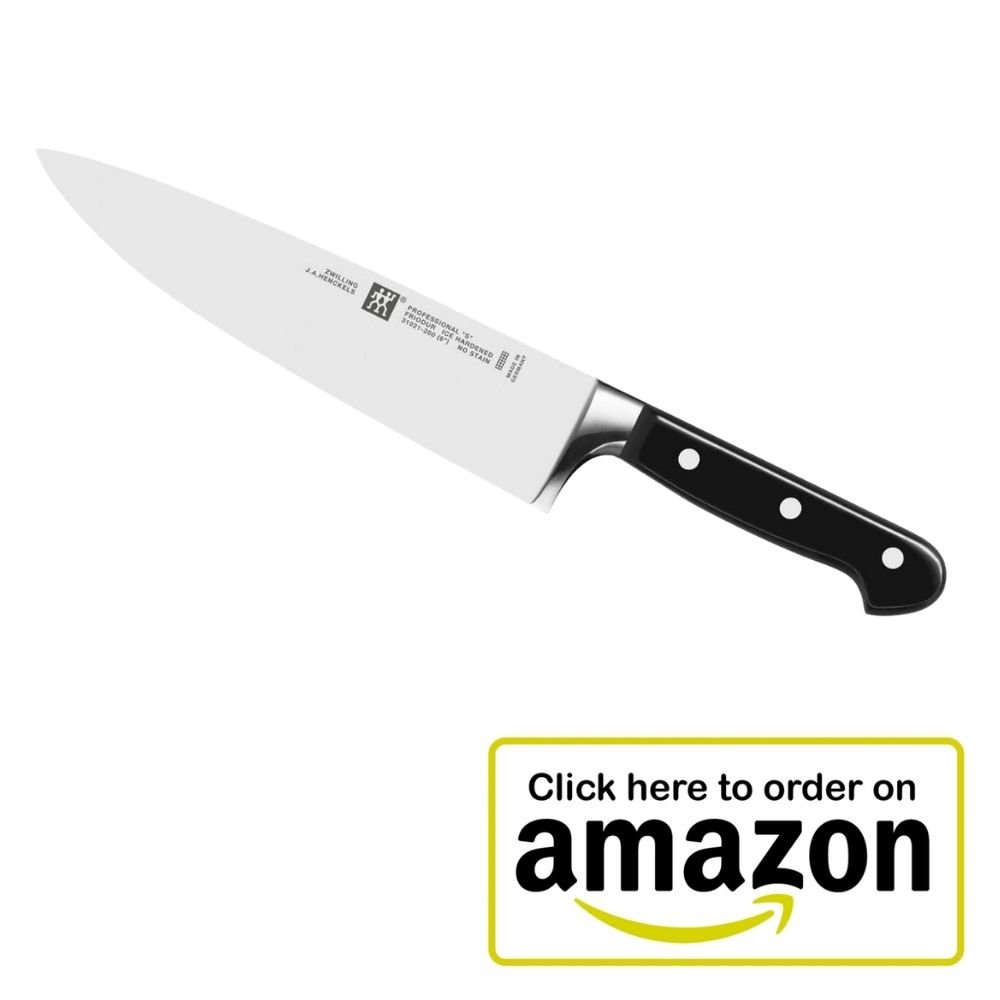
I’ve used the ZWILLING Professional S 8-Inch Chef’s Knife for months, and it quickly became my go-to tool for almost everything in the kitchen. From slicing onions to breaking down chicken, the razor-sharp German forged blade glides through ingredients like butter.


What impressed me most is how balanced it feels in hand. The full tang design and ergonomic handle comfort make long prep sessions feel effortless. Even after hours of use, my wrist never feels tired — a rare thing for a heavy-duty professional chef’s knife.
Zwilling’s craftsmanship shows in every detail. The Sigmaforge construction and Friodur ice-hardened steel ensure the edge stays sharp and resists corrosion. It’s not just a knife; it’s a long-term kitchen partner built for performance and precision.
Is Zwilling a Chinese Brand?
No, Zwilling is proudly German-made, and that’s a big part of its appeal.
The company, J.A. Henckels, is based in Solingen, Germany, often called the “City of Blades.” That’s where the world’s finest cutlery comes from — and it shows in this knife’s build quality.
Every ZWILLING Professional S knife is forged from a single piece of high carbon no-stain steel, not stamped. That means it’s built for strength and balance, not just looks. I love how this German craftsmanship gives a sense of control, whether I’m chopping herbs or carving meat.
While some knives under the Henckels name are made in China or Spain, Zwilling-branded knives are German-forged — and that’s a key difference worth noting.
Do Professional Chefs Use Zwilling?
Yes, and for good reason.
Professional chefs often choose Zwilling because it strikes the perfect balance between durability and control. During a culinary workshop I attended, a chef used this exact 8-inch Zwilling Professional S to dice onions with precision — and I remember thinking, “That’s how a real knife should feel.”
The precision-honed edge and laser-controlled angle give it that pro-level sharpness that stays consistent. Even after months of use, I rarely need to sharpen mine. For those who cook daily or want a reliable premium kitchen tool, Zwilling delivers professional-grade performance without the steep learning curve.
Is the Handle Comfortable?
Absolutely — and that’s one of the first things you’ll notice.
The three-rivet ergonomic handle feels secure and perfectly balanced in hand. It’s made from a durable polymer that’s smooth yet grippy, even when your hands are slightly wet.
When chopping large batches of vegetables, I find the knife naturally guides itself. The super bolster adds just enough weight near the handle, making each cut feel controlled. Whether you’re a home cook or a culinary student, the handle design helps you maintain precision without strain.
Is This Knife Good for Chopping Vegetables?
Yes — it’s excellent for chopping vegetables, herbs, and fruits.
The curved French-style blade allows a smooth rocking motion, which makes dicing onions or mincing garlic almost meditative. I often use it to chop cilantro or bell peppers, and the razor-sharp edge retention means it glides through everything cleanly without crushing delicate produce.
Because of the forged steel construction and perfect balance, the blade doesn’t wobble or flex. This gives you better control and consistency, even for fine slicing.
What I Like
- Exceptional Sharpness: Right out of the box, the edge is wicked sharp. I easily slice through tomatoes without squashing them — a true test of blade quality.
- German Craftsmanship: You can feel the precision in every cut. The Sigmaforge one-piece construction and Friodur ice hardening make it reliable for years.
- Balanced Full Tang Design: It’s not front-heavy, which makes chopping smoother and safer.
- Comfortable Handle: The three-rivet ergonomic handle feels solid and secure, even during long cooking sessions.
- Easy Maintenance: While it’s technically dishwasher-safe, I prefer hand washing to keep the blade looking new. It takes only a few seconds.
- Great Value: For around $90, you’re getting a knife that performs like one three times its price — it’s a premium kitchen tool without the premium tag.
What Could Be Better
- Slightly Heavy: Some users may find it heavier than Japanese-style knives. A lighter option could suit smaller hands better.
- Dishwasher Safety Confusion: It’s marketed as dishwasher-safe, but hand washing is the smarter choice to protect the edge.
- Limited Handle Options: While the classic black handle is iconic, offering more designs could attract a wider range of buyers.
Read: HexClad Knives vs WÜSTHOF
Recommendation
If you cook often and want a professional chef’s knife that balances performance, durability, and comfort — the ZWILLING Professional S 8-Inch Chef’s Knife is a smart investment.
It’s ideal for home cooks, culinary students, and professionals who value precision, control, and long-term reliability.
If you prefer ultra-light Japanese blades, you might find this one slightly firm. But for most kitchen tasks — from chopping vegetables to slicing meats — it’s unbeatable in its class.
I’d recommend it as your main kitchen knife. It’s the kind of tool that makes cooking more enjoyable and reminds you that craftsmanship still matters.
What Real Users Say
- “Razor sharp and perfectly balanced.” – Many reviewers praise how effortlessly it cuts through meat and vegetables.
- “Made in Germany — top-tier quality.” – Users love the durability and edge retention, saying it outperforms similar-priced knives.
- “Feels great in the hand.” – The ergonomic handle comfort stands out in most reviews.
- “A real bargain.” – At this price point, it’s considered a steal for German-made craftsmanship.
- “Heavy but solid.” – A few mention the weight but agree it adds to the sense of stability and control.
Is Henckels Good?
Absolutely — Henckels knives are dependable, sharp, and well-built.
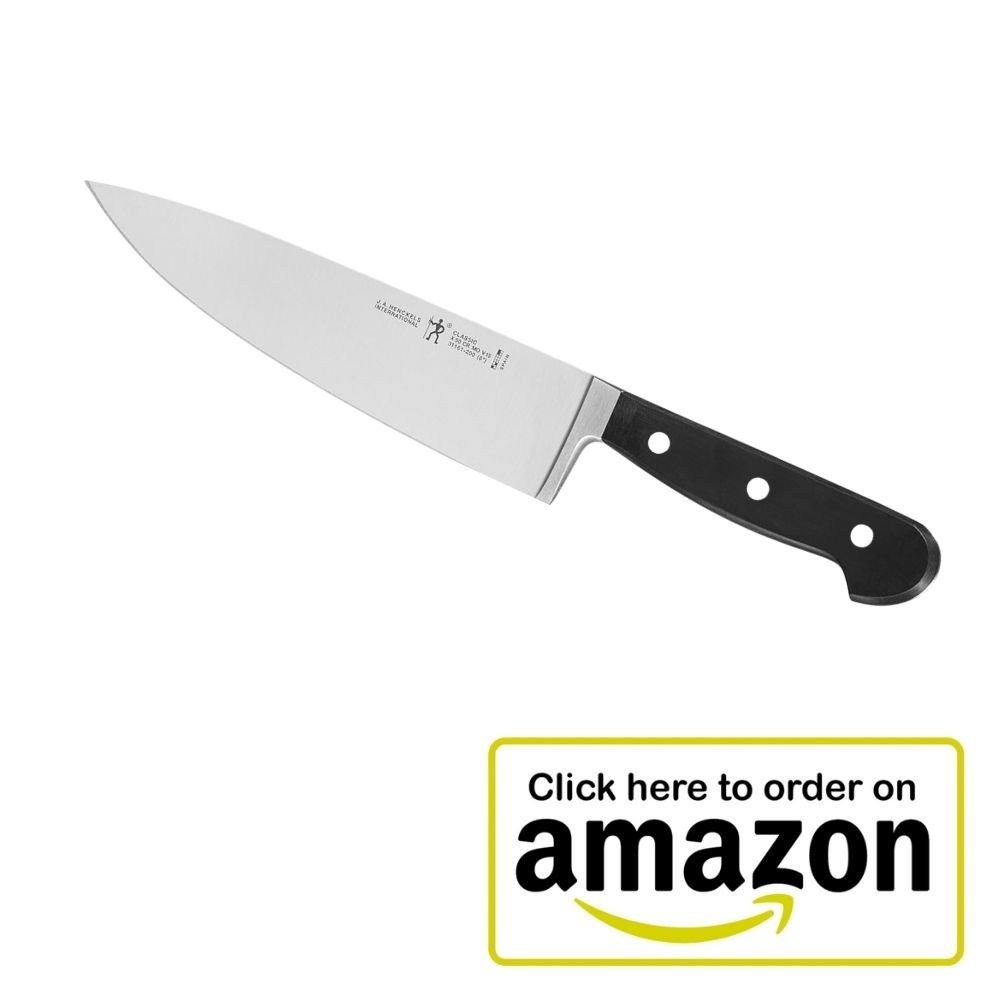
I’ve used the Henckels Classic 8-inch Chef’s Knife for everyday cooking — from slicing tomatoes to cutting thick chicken breasts — and it never disappoints. The German-engineered design gives it a razor-sharp edge that glides through food with little effort.

It’s made from high-quality stainless steel and fully forged for durability. The balance feels natural, even after long prep sessions. You can sense the craftsmanship that comes from over 100 years of knife-making mastery.
If you’re looking for a professional chef’s knife that’s lightweight, comfortable, and long-lasting, Henckels is a great pick.
Is Henckels a German Brand?
Yes — Henckels is proudly German at its core.
The company was founded in Solingen, Germany, a city known as the “City of Blades.” Though many of their knives, like the Classic line, are now made in Spain, they still follow German quality standards and strict forging traditions.
In my kitchen, this heritage shows. The knife keeps its edge well and feels balanced — a true mark of German engineering precision. Whether you chop onions or carve roast beef, the cut always feels clean and confident.
How Long Do Henckels Knives Last?
In short — for years, if you care for them right.
I’ve had mine for over five years, and it still slices smoothly with regular honing. The fully forged blade and triple-rivet handle hold up beautifully over time.
Many Amazon reviewers echo this — saying their Henckels knives remain their daily kitchen workhorse even after a decade. With a lifetime warranty, it’s clear Henckels designs these tools to last generations, not just seasons.
Are Henckels Knives High Quality?
Yes, they’re high quality without the high price tag.
The razor-sharp edge, stain-resistant steel, and comfortable handle design make them feel premium. What I appreciate most is how balanced they are — solid enough for heavy chopping yet light enough for delicate slicing.
When I compared it to pricier brands like Wüsthof and Shun, the Henckels performed surprisingly close, especially considering the lower cost. It’s proof that German craftsmanship and value can coexist in one knife.
What Steel Is Used in Henckels Knives?
Henckels knives use high-carbon German stainless steel, engineered for edge retention and corrosion resistance.
The blade is satin-finished for smooth cutting and easy cleaning. It resists rust, even after daily use, and doesn’t need frequent sharpening.
In my experience, a quick hone before each use keeps the edge like new. This durable steel also prevents chips or dulling when cutting tough ingredients like pumpkin or squash.
Is It Balanced for Easy Use?
Yes — balance is one of Henckels’ best qualities.
When I hold the knife, the weight is evenly distributed from blade to handle. The forged construction and triple-rivet handle create a seamless feel that reduces strain during long cooking sessions.
Even after prepping large meals, my wrist never feels tired. That’s what makes it perfect for home cooks and professionals alike — strong, stable, and effortless to control.
What I Like
- Reliable Sharpness: The edge stays sharp longer than expected — I rarely need to sharpen it.
- Excellent Balance: Feels stable and safe, even during quick chopping.
- Durable Build: Fully forged German stainless steel ensures lasting strength.
- Comfortable Grip: The composite handle fits naturally in hand; no slipping, even when wet.
- Versatile Performance: Handles vegetables, meats, and herbs with equal ease.
- Great Value: Performs like a premium knife but costs far less than Wüsthof or Shun.
What Could Be Better
- Slightly Heavier Handle: Some users may prefer a lighter Japanese-style balance.
- Dishwasher Claim: Though labeled dishwasher-safe, I’ve learned handwashing preserves the sharpness much better.
- Fit and Finish: Minor cosmetic variations exist — nothing that affects function, but still worth noting.
Recommendation
If you want a reliable, sharp, and well-balanced knife without overspending, the Henckels Classic 8-inch Chef’s Knife is a fantastic choice.
It’s ideal for home cooks, culinary students, and anyone upgrading from a basic knife set.
If you’re after an ultra-light Japanese feel or prefer Damascus steel aesthetics, you might explore Shun — but for everyday performance, Henckels is tough to beat.
I recommend it to anyone who values durability, simplicity, and German precision in the kitchen.
What Real Users Say
- “Sharp out of the box — I cut through onions like butter.”
- “Still my go-to knife after 7 years; edge retention is amazing.”
- “Love the balance and handle comfort — feels secure and easy to control.”
- “Performs as well as my Wüsthof, but at half the cost.”
- “It’s dishwasher-safe, but I prefer handwashing to keep it looking new.”
- “A real workhorse knife — durable, versatile, and worth every penny.”
Zwilling vs Henckels: Which Knife Is Better?
Choosing between Zwilling and Henckels can feel like picking between two siblings — both from the same family, both skilled, but each with its own personality. I’ve used both brands in my kitchen for years, and while they share a German heritage, they perform very differently once you start chopping.
Let’s break them down side by side in a few simple, honest comparisons.
Build Quality and Materials
Both brands are known for their German engineering, but they’re made in different places.
Zwilling knives are crafted in Solingen, Germany, the world’s knife capital, using high-carbon stainless steel. They feel solid, balanced, and premium — you can sense the craftsmanship in every cut.
Henckels, on the other hand, makes most of its Classic line in Spain using German stainless steel. The build is still great but feels lighter and slightly less refined.
| Feature | Zwilling | Henckels |
| Manufacturing Origin | Germany (Solingen) | Spain |
| Steel Type | High-Carbon German Stainless Steel | German Stainless Steel |
| Construction | Fully Forged | Forged or Stamped (depending on line) |
| Durability Feel | Heavier, solid, premium | Lighter, practical, strong |
🏆 Winner: Zwilling — It edges ahead with superior forging and German-made steel that feels tighter and sturdier.
Sharpness and Edge Retention
When it comes to cutting, both deliver great results.
Zwilling knives come incredibly sharp and stay that way for months, even after heavy use. They’re honed at a 15° edge angle, making every slice precise and clean.
Henckels knives are a little thicker at the edge, giving them extra toughness but slightly less bite when fine-slicing tomatoes or herbs.
| Feature | Zwilling | Henckels |
| Factory Edge Angle | 15° per side | 20° per side |
| Edge Retention | Excellent, long-lasting | Very good, requires more frequent honing |
| Ideal Use | Professional and precision cutting | Everyday kitchen tasks |
| Blade Feel | Razor-sharp and smooth | Sharp but a touch thicker |
🏆 Winner: Zwilling — The sharper edge lasts longer and cuts cleaner for precision tasks.
Balance and Handling
This is where things get personal.
When I hold a Zwilling, it feels like an extension of my hand — the balance is near-perfect, especially for long prep sessions. The weight sits comfortably between the blade and handle, reducing strain.
Henckels feels lighter and easier to maneuver, which I actually enjoy for quick meals or when teaching beginners. It’s the kind of knife you grab without thinking.
| Feature | Zwilling | Henckels |
| Balance | Perfectly even | Slightly handle-heavy |
| Weight | Medium-heavy | Lightweight |
| Comfort | Ergonomic, steady | Easy to hold, simple grip |
| Fatigue Over Time | Minimal | None for short tasks |
🏆 Winner: Tie — Zwilling wins for pro comfort, while Henckels shines for daily ease and accessibility.
Price and Value
Here’s where Henckels wins many hearts — including mine.
It’s a budget-friendly alternative to Zwilling but still offers solid performance and lifetime durability. Zwilling knives cost more, but the craftsmanship matches that premium feel.
If you’re building a professional set, Zwilling is worth it. But for most home cooks, Henckels offers unbeatable value.
| Feature | Zwilling | Henckels |
| Price Range | $$$ (Premium) | $$ (Affordable) |
| Value for Money | High-end craftsmanship | Excellent everyday value |
| Warranty | Lifetime | Lifetime |
| Ideal Buyer | Professional chefs, enthusiasts | Home cooks, beginners |
🏆 Winner: Henckels — It gives you 90% of the performance for almost half the price.
User Ratings and Real Feedback
I’ve read hundreds of verified reviews, and the pattern is clear.
Zwilling users love the precision, edge retention, and premium build. Many call it a “forever knife.”
Henckels users, meanwhile, praise its sharpness, comfort, and reliability — often saying it’s “the best value knife I’ve ever bought.”
| Feature | Zwilling | Henckels |
| Amazon Rating | 4.8 / 5 | 4.6 / 5 |
| Most Common Praise | Razor-sharp, beautiful balance | Affordable, easy to use |
| Most Common Critique | Expensive | Slightly handle-heavy |
| Long-Term Feedback | Lasts 10+ years | Lasts 5–8 years easily |
🏆 Winner: Zwilling — Slightly higher rating overall, but Henckels remains a close second for everyday reliability.
Final Thoughts — My Honest Take
If you cook often and love premium tools, Zwilling feels like a long-term investment — elegant, balanced, and razor-sharp.
But if you just want a knife that cuts beautifully, lasts for years, and doesn’t break the bank, Henckels is hard to beat.
I use Zwilling when I’m cooking for guests or making detailed prep.
But my Henckels Classic Chef’s Knife is my weekday workhorse — it’s sharp, comfortable, and never fails me.
Final Ratings Summary
| Category | Zwilling | Henckels |
| Build Quality | 9.5 / 10 | 8.5 / 10 |
| Sharpness | 9.5 / 10 | 8.8 / 10 |
| Balance | 9.3 / 10 | 9.0 / 10 |
| Value for Money | 8.5 / 10 | 9.5 / 10 |
| Overall Experience | ⭐ 9.2 / 10 | ⭐ 9.0 / 10 |
🏆 Overall Winner: Zwilling, for its superior craftsmanship and long-term edge retention.
But — if you’re on a budget and want professional performance at home, Henckels is the smarter everyday choice.
My Final Thoughts
If you love premium craftsmanship and long-lasting sharpness, Zwilling might feel like the knife you’ve been waiting for. It’s made for those who enjoy balance, control, and a touch of German precision in every slice. But if you’re just starting your cooking journey or want a solid knife without spending much, Henckels will make you happy too.
From my own kitchen, Zwilling feels like the “forever knife” I reach for when I want to cook with confidence. Henckels, on the other hand, is the one I’d recommend to a friend who’s learning and needs a reliable tool without the premium price tag. Both have their charm — it really depends on what you value most when you hold that knife.
FAQs: Zwilling vs Henckels
Q1. What’s the main difference between Zwilling and Henckels?
Zwilling offers German-made, forged knives with premium steel and precision balance. Henckels focuses on affordable stamped knives made for everyday home use.
Q2. Which brand stays sharper longer, Zwilling or Henckels?
Zwilling knives usually stay sharper longer because of their ice-hardened steel and forging process, while Henckels may need sharpening more often.
Q3. Are Zwilling knives worth the higher price?
Yes, Zwilling knives are worth it if you cook often and want a lifetime knife with superior sharpness, balance, and build quality.
Q4. Is Henckels a good brand for beginners?
Absolutely! Henckels is great for beginners. It’s budget-friendly, easy to handle, and still delivers reliable cutting performance.
Q5. Are Zwilling and Henckels made by the same company?
Yes. Both belong to the same parent brand — Zwilling J.A. Henckels. Zwilling is the premium line, while Henckels is the more affordable one.
Q6. Which knife is better for daily cooking — Zwilling or Henckels?
If you cook often, go for Zwilling. For simple, daily meals or light prep, Henckels will do the job well.
Q7. Where are Zwilling knives made?
Zwilling knives are made in Germany, known for top-notch craftsmanship and precision forging.
Q8. Where are Henckels knives made?
Most Henckels knives are made in Spain, China, or Thailand — depending on the collection — to keep prices affordable.
Q9. Do Zwilling knives need special care?
Not really — just hand wash and dry after each use. This helps maintain their sharp edge and keeps the steel looking new.
Q10. Which brand should I choose — Zwilling or Henckels?
If you value precision, balance, and long-term quality, go for Zwilling. If you prefer easy handling and a smaller budget, Henckels is your best pick.
When you purchase a product through Amazon links on kitchinprep.com, we may earn a small commission at no extra cost to you. We may earn a commission on qualifying purchases made through our links, including those from Amazon and other partners, at no extra cost to you.

Kris S. Cary is the founder of KitchinPrep.com and a passionate kitchen enthusiast with over three years of experience in the culinary world. A graduate of the Culinary Management, A.S. program at Daytona State College in Daytona Beach, USA, Kris spent two years honing their skills and deepening their love for cooking and kitchen essentials. Specializing in kitchen baking tools, Kris is dedicated to sharing practical tips, insightful product reviews, and expert guides to help home cooks elevate their baking and cooking game. When not testing the latest kitchen gadgets, Kris is likely whipping up something delicious or dreaming up new ways to inspire culinary creativity.