
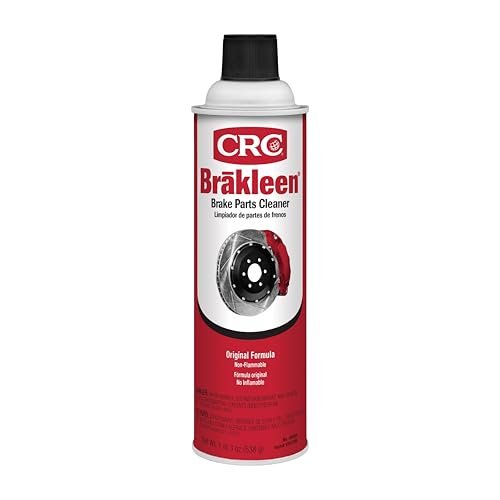
I have spent countless weekends covered in grease, oil, and grime while working on cars and workshop projects. Over the years, I’ve tested both CRC Brakleen and Zep Citrus Degreaser on everything from squealing brake rotors to greasy engine bays. This comparison will break down exactly how these two powerful formulas behave differently when you put them to work.
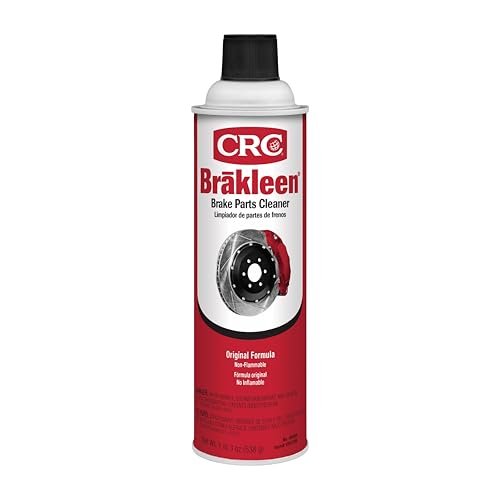
CRC BRAKLEEN Brake Parts Cleaner – Non-Flammable -1lb 3 Oz (05089)
When you need to strip away oil instantly without leaving any residue behind, CRC Brakleen is the formula to reach for. This is the original brake parts cleaner, designed specifically to handle the absolute harshest contaminants found in automotive braking systems. In my experience, its high-pressure spray blast instantly cuts through baked-on grease and brake dust on contact. Because it is a non-flammable chlorinated formula, you can use it safely around hot components or sparking tools without worrying about starting a fire. However, you should check your local regulations before purchasing, as this highly effective chlorinated chemical cannot be sold for use in CA or NJ or on Catalina Island.
- High-pressure aerosol spray delivery
- Non-flammable chlorinated chemical formulation
- Formulated to instantly remove grease, brake fluids, and brake dust
- Heavy 1 lb 3 oz can capacity
- Restricts shipping to CA, NJ, and Catalina Island
Pros
- Dries almost instantly with zero leftover residue
- Incredible grease-cutting power on bare metal
- Completely non-flammable for safer garage use
Cons
- Extremely harsh fumes require excellent ventilation
- Can damage plastics, paint, and rubber seals
- Restricted in several states due to local environmental laws
Best for: Mechanic shops, heavy-duty automotive brake repairs, and rapid degreasing of bare metal components.
Expert Opinion: This chlorinated formula is the absolute standard for stripping metal clean, but you must wear a respirator and avoid spraying it anywhere near painted surfaces or soft plastics.
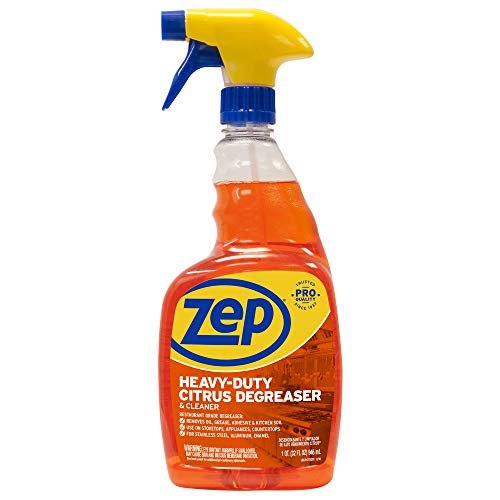
ZEP Heavy-Duty Citrus Degreaser 32 Ounces ZUCIT32
Zep Heavy-Duty Citrus Degreaser takes a completely different approach by leveraging natural citrus solvents to break down heavy grime. I often use this trigger-spray bottle when cleaning up larger workshop areas, oily garage floors, or greasy engine blocks. The formula works beautifully as a household degreaser that handles everything from stovetops to concrete without filling your workspace with harsh chemical vapors. Instead of toxic fumes, it leaves behind a pleasant, fresh citrus scent that makes indoor cleanup much more tolerable. Keep in mind that this is a water-based cleaner, so it requires rinsing and does not evaporate instantly like solvent sprays.
- Active natural citrus solvents for heavy grease penetration
- Versatile household degreaser safe for concrete, tools, and metal appliances
- Pleasant fresh citrus scent with no harsh toxic fumes
- Convenient 32-ounce adjustable trigger spray bottle
- Formulated without harsh petroleum distillates
Pros
- Excellent coverage on large surfaces like garage floors and walls
- Smells great and does not require a heavy respirator indoors
- Highly effective at melting sticky adhesives and oily residue
Cons
- Requires rinsing with water to remove the soapy residue
- Cannot be used on glass, plexiglass, automotive paint, or leather
- Dries very slowly compared to solvent-based aerosol cleaners
Best for: Homeowners, DIYers cleaning engine bays, garage floors, greasy tools, and household kitchen appliances.
Expert Opinion: Zep excels at breaking down organic oils and grease over large surface areas, provided you have a water source nearby to rinse away the soapy emulsified grime.
brake cleaner vs degreaser: Key Differences That Matter
Performance comparison
During my testing on dirty car parts, these two products showed vastly different cleaning mechanics. CRC Brakleen uses sheer chemical force and high-pressure delivery to strip metal instantly. It vaporizes oil and brake dust on contact. The liquid evaporates in seconds, leaving behind a bone-dry, residue-free metal surface. On the other hand, Zep Citrus Degreaser relies on chemical emulsification. It penetrates thick grease layers and suspends them so you can wipe or rinse them away. The citrus formula works much better on thick, caked-on sludge where you need soak time, while Brakleen is superior for instant, spot-cleaning tasks.
Price/Value analysis
When looking at the cost per ounce, Zep easily offers more volume for your money. A 32-ounce bottle of Zep costs roughly the same as or less than a single 19-ounce aerosol can of CRC Brakleen. You can spray Zep generously over entire engine bays or concrete driveways without feeling like you are burning through your budget. Brakleen goes quickly because the high-pressure aerosol nozzle empties the can fast during intense cleaning sessions. For large-scale cleaning jobs, Zep provides significantly better financial value.
Build quality comparison
Packaging plays a major role in how you apply these cleaners. CRC uses a pressurized steel can with a precision straw. This delivery method allows you to blast dirt out of deep crevices, bolt holes, and brake calipers. The physical force of the spray does half the cleaning work for you. Zep uses a heavy-duty plastic bottle with a traditional trigger sprayer. It lets you adjust the stream from a fine mist to a solid stream, which works perfectly for covering wide surfaces. The plastic trigger pump is durable, though it lacks the mechanical blasting power of a pressurized aerosol.
User experience differences
The sensory experience of using these fluids is night and day. CRC Brakleen releases extremely strong, harsh chemical fumes. You must use it outdoors or in a highly ventilated workshop to avoid headaches. It is also highly toxic to skin, so heavy chemical-resistant gloves are mandatory. Zep Citrus Degreaser makes the cleanup process much more pleasant with its bright orange scent. It does not irritate your lungs under normal use, and cleanup only requires a simple water rinse. However, the water-based nature of Zep means you must dry your parts manually afterward to prevent rust.
Which Should You Choose?
Choosing between these two heavy-duty cleaners depends entirely on your specific project and workspace setup.
You should choose CRC Brakleen if you are performing precision automotive maintenance like brake pad replacements or cleaning oily metal threads. It is the ideal choice when you need a fast-evaporating solvent that leaves zero residue behind. This formula is perfect for closed metal assemblies where rinsing with water is not an option.
You should choose Zep Heavy-Duty Citrus Degreaser if you are tackling general garage cleaning, washing down dirty engine blocks, or scrubbing greasy concrete floors. It works best when you have a hose or a bucket of water handy to rinse the area clean. Home DIYers will appreciate this option for its pleasant smell and safer handling profile during indoor projects.
My final verdict is to keep both in your workshop cabinet. Use the CRC Brakleen for targeted, rapid-drying metal prep during mechanical assemblies. Keep the Zep Citrus Degreaser on hand for washing down large, greasy surfaces, tools, and dirty shop floors where high-volume coverage makes the most sense.
Frequently Asked Questions
Q: What is the main difference in the brake cleaner vs degreaser comparison?
A: Brake cleaner is a solvent-based spray designed to evaporate instantly and leave no residue on metal parts. Degreaser is typically a water-based or citrus-based formula designed to break down and lift heavy grease over large areas, requiring a water rinse afterward.
Q: Can I use Zep Citrus Degreaser on my car brakes?
A: No. You should never use a soapy citrus degreaser on brake components because it leaves behind a film that can contaminate your brake pads and reduce stopping power. Stick to a dedicated brake parts cleaner like CRC Brakleen for brake assemblies.
Q: When should I choose brake cleaner vs degreaser for engine cleaning?
A: Use a citrus degreaser like Zep to clean the overall engine bay because it covers large areas safely and washes away with a hose. Use brake cleaner only for spot-cleaning specific metal brackets, sensors, or electrical connections where you cannot use water.
Q: Will CRC Brakleen damage painted surfaces?
A: Yes. Chlorinated brake cleaners are highly aggressive solvents that can quickly bubble, soften, or strip automotive paint and clear coats.
Q: Is Zep Heavy-Duty Citrus Degreaser safe for plastics?
A: No. The strong natural citrus solvents in this concentrated degreaser can degrade, cloud, or damage certain plastics and plexiglass surfaces.
Q: Do I need to wear protective gear when using these products?
A: Yes. You should wear chemical-resistant gloves and safety glasses for both. CRC Brakleen requires a respirator or heavy outdoor ventilation due to its highly toxic chemical fumes.
Q: Can I use brake cleaner to clean oil spills on my concrete garage floor?
A: You can, but it is highly inefficient and expensive. A concentrated citrus degreaser like Zep is much better suited for concrete because it covers a wider area and can be scrubbed in with a stiff brush before rinsing.
When you purchase a product through Amazon links on kitchinprep.com, we may earn a small commission at no extra cost to you. We may earn a commission on qualifying purchases made through our links, including those from Amazon and other partners, at no extra cost to you.

Kris S. Cary is the founder of KitchinPrep.com and a passionate kitchen enthusiast with over three years of experience in the culinary world. A graduate of the Culinary Management, A.S. program at Daytona State College in Daytona Beach, USA, Kris spent two years honing their skills and deepening their love for cooking and kitchen essentials. Specializing in kitchen baking tools, Kris is dedicated to sharing practical tips, insightful product reviews, and expert guides to help home cooks elevate their baking and cooking game. When not testing the latest kitchen gadgets, Kris is likely whipping up something delicious or dreaming up new ways to inspire culinary creativity.