
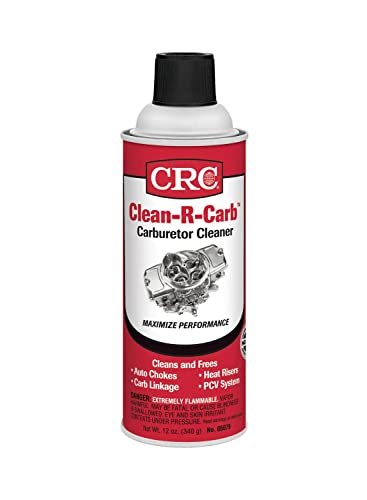
I have spent years reviving stubborn small engines in my garage, and I always keep cans of both CRC Clean-R-Carb and STA-BIL Starting Fluid on my workbench. While they look similar on the shelf, spraying the wrong one into your intake can cause serious mechanical headaches. In this hands-on guide, I will share what I learned about when to clean and when to ignite.
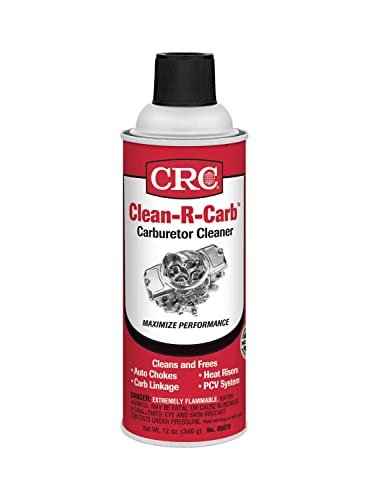
CRC Clean-R-Carb Carburetor Cleaner 05079 – 12 Wt Oz.
Over the years, I have relied on CRC Clean-R-Carb Carburetor Cleaner to tackle engines choked by old fuel. This formula comes from CRC Industries, a trusted leader in chemical solutions for marine, heavy-duty, and automotive engines. It is designed to dissolve stubborn gum, sludge, and varnish that build up over time in your fuel system. When your engine experiences power loss, hard starting, or backfiring, this spray targets the source of the blockage. I find that it cleans the choke plates and intake parts quickly without leaving a greasy residue behind.
- Powerful solvent formula designed to quickly dissolve heavy deposits
- Restores fuel system performance by cleaning automatic chokes and PCV valves
- Works effectively on exhaust gas recycling valves and heat risers
-
Packaged in a convenient 12-ounce aerosol can for precise application
-
Melts away dried fuel varnish almost instantly
- Dries fast without leaving oily residues
-
Extension straw allows for targeted spraying in tight spaces
-
Extremely harsh on plastic and painted surfaces
- Strong chemical odor requires excellent ventilation
- Not designed to assist with cold starting
Best for: Mechanics and DIYers who need to strip away fuel deposits, varnish, and carbon buildup from metal engine components.
Expert Opinion: This is a top-tier solvent for cleaning metal fuel paths, but keep it away from rubber seals and delicate plastic parts.
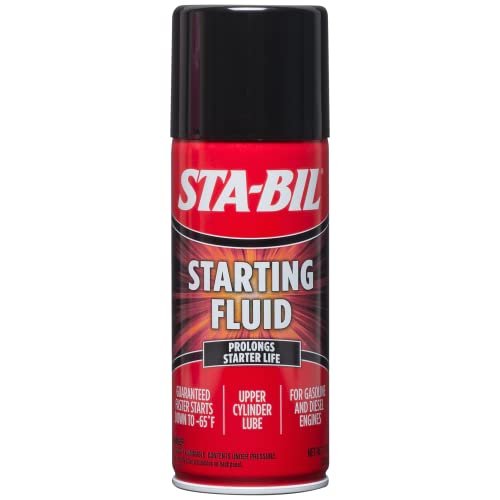
STA-BIL Starting Fluid, 11 oz
When winter hits and my snowblower refuses to catch, I reach for STA-BIL Starting Fluid instead of a cleaner. This highly ether-rich formula is engineered to deliver faster starts in extreme temperatures down to -65 degrees Fahrenheit. Unlike raw ether, it contains an upper cylinder lubricant and corrosion inhibitors to protect dry cylinder walls during dry starts. It works safely on both gasoline and diesel engines, making it incredibly versatile for tractors, cars, and lawnmowers. I appreciate that it is designed to be gentle on catalytic converters and oxygen sensors.
- Formulated with high-ether content to initiate combustion instantly
- Added upper cylinder lubricant prevents metal-on-metal wear during dry starts
- Works effectively in extreme cold weather down to -65 degrees Fahrenheit
- Safe for modern emissions systems including oxygen sensors and catalytic converters
-
Guaranteed for use up to two years after opening the can
-
Fires up stubborn or cold engines almost immediately
- Lubricating additives prevent cylinder wall scuffing
-
Versatile compatibility with gasoline and diesel engines
-
Highly volatile and must be used sparingly to avoid engine damage
- Will not clean or dissolve fuel system deposits
Best for: Anyone struggling to start gasoline or diesel engines in freezing weather or after long-term storage.
Expert Opinion: This fluid is an excellent diagnostic tool to check for spark, but use short bursts to avoid hydraulic lock or piston damage.
Carburetor Cleaner vs Starter Fluid: Key Differences That Matter
Performance Comparison
Let us look at how they work in real-world scenarios. Carburetor cleaner is a heavy solvent designed to break down carbon and fuel gum. It does not burn well and can actually choke out a running engine if you spray too much into the intake. On the flip side, starting fluid is highly combustible ether designed to ignite at the slightest spark. If your engine lacks fuel but has a spark, starting fluid will make it roar to life for a few seconds.
Price and Value Analysis
Both products sit at a very affordable price point, usually costing under ten dollars per can. The CRC cleaner gives you 12 ounces of highly concentrated solvents, which lasts a long time because you only use it during maintenance. STA-BIL provides 11 ounces of fluid, but a single can often lasts years because you only need a quick one-second spray to start an engine. Since STA-BIL remains stable for two years after opening, its long-term value is exceptional for occasional winter use.
Build Quality Comparison
The physical cans and spray nozzles dictate how well these chemicals perform in the field. CRC uses a high-pressure nozzle that blasts the solvents deep into tiny carburetor jets. The physical force of the spray helps wash away the dissolved sludge. STA-BIL uses a nozzle designed to atomize the liquid into a fine mist. This mist mixes easily with incoming air to ensure clean combustion inside the cylinders.
User Experience Differences
Using these two sprays feels entirely different. When I use the CRC cleaner, I am scrubbing, wiping, and watching black gunk melt off metal parts. It requires patience, rags, and protective gloves because the chemicals irritate the skin. Using STA-BIL is a fast, hands-off process. I simply spray a quick burst into the air intake, jump into the seat, and turn the key.
Which Should You Choose?
Your choice depends entirely on what your engine is trying to tell you. If your engine cranks over but refuses to fire, you need to diagnose the problem. A quick blast of starting fluid will tell you if you have a spark. If the engine starts on the fluid and then dies, you know your ignition system works but your fuel system is clogged.
You should buy CRC Clean-R-Carb if your engine runs rough, idles poorly, or stalls when you take off the choke. This is a maintenance tool designed to clean out physical blockages from old gasoline.
You should buy STA-BIL Starting Fluid if you have a generator, tractor, or lawnmower that sits idle all winter. It is also the perfect choice for sub-zero mornings when cold batteries cannot crank the engine fast enough to draw fuel.
In my garage, I do not choose between them. I treat them as a two-stage system. I use the starting fluid to diagnose fuel delivery issues, and then I use the carburetor cleaner to fix the dirty carburetor causing the problem in the first place. Keeping both on your shelf ensures you are prepared for any starting or running issue.
Frequently Asked Questions
Q: Can I use carburetor cleaner as a starting fluid?
A: No, you should avoid this. Carburetor cleaner is a solvent designed to dissolve dirt, not ignite easily. It can flood the engine or wash away protective oil from the cylinder walls.
Q: What is the main difference in carburetor cleaner vs starter fluid chemistry?
A: Carburetor cleaner contains heavy solvents like acetone and toluene to dissolve tough varnish. Starter fluid consists primarily of ether and heptane, which vaporize instantly to create a highly flammable mixture.
Q: Will starting fluid clean a dirty carburetor?
A: No, starting fluid has no cleaning properties. It evaporates too quickly to dissolve varnish, gum, or carbon deposits inside the fuel system.
Q: When comparing carburetor cleaner vs starter fluid, which one is safer for diesel engines?
A: Starting fluid is much safer for diesels, provided it contains a lubricant like STA-BIL does. Carburetor cleaner should never be sprayed into a diesel intake because it can cause uncontrolled pre-ignition.
Q: Is starting fluid bad for two-stroke engines?
A: It can be dangerous if used excessively because ether washes away the oil film on the cylinder walls. If you must use it on a two-stroke, choose a starting fluid with added lubricants and use very short sprays.
Q: Why does my lawnmower only run on starting fluid?
A: This indicates a fuel delivery issue. The engine has a spark and compression, but the carburetor jets are likely clogged with varnish, meaning you need to clean them with a carburetor cleaner.
Q: Can carburetor cleaner damage plastic engine parts?
A: Yes, the harsh solvents in carburetor cleaner can melt, warp, or degrade plastic and rubber components quickly. Always spray it directly onto metal parts or remove plastic pieces before cleaning.
When you purchase a product through Amazon links on kitchinprep.com, we may earn a small commission at no extra cost to you. We may earn a commission on qualifying purchases made through our links, including those from Amazon and other partners, at no extra cost to you.

Kris S. Cary is the founder of KitchinPrep.com and a passionate kitchen enthusiast with over three years of experience in the culinary world. A graduate of the Culinary Management, A.S. program at Daytona State College in Daytona Beach, USA, Kris spent two years honing their skills and deepening their love for cooking and kitchen essentials. Specializing in kitchen baking tools, Kris is dedicated to sharing practical tips, insightful product reviews, and expert guides to help home cooks elevate their baking and cooking game. When not testing the latest kitchen gadgets, Kris is likely whipping up something delicious or dreaming up new ways to inspire culinary creativity.