
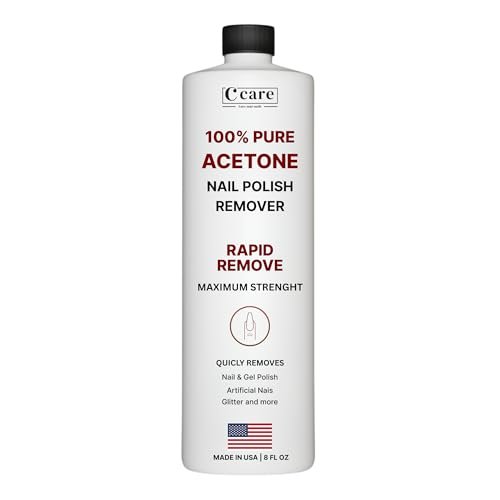
I have spent years using both of these liquids for everything from removing stubborn manicures to cleaning delicate electronics and doing prep work in my garage. While they might look identical in their clear plastic bottles, their chemical strengths and daily uses are worlds apart. In this guide, I will break down how each liquid performs so you can grab the right bottle for your specific chore.
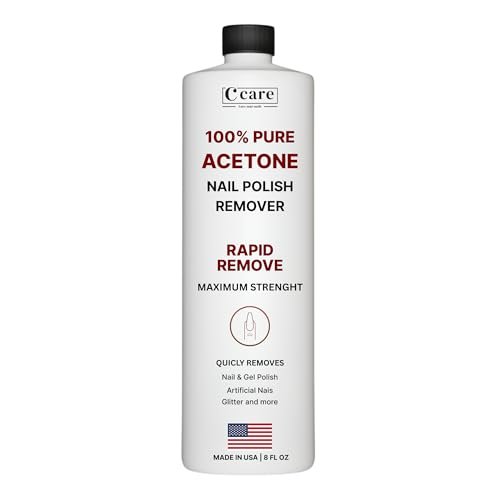
100% Pure Acetone Nail Polish Remover
I always keep a bottle of this 100% Pure Acetone in my cabinet because nothing else melts away tough cosmetics quite as fast. It acts as a rapid-remove and highly effective solvent that dissolves stubborn gel, acrylic, and glitter polish in seconds. Professional manicurists rely on this liquid because it delivers a spotless finish without leaving a slimy residue behind. Even though it has industrial-strength power, the formula is surprisingly gentle on nails when you use it as directed. This bottle also serves as a multi-purpose and highly versatile agent around the workshop for stripping adhesives or preparing surfaces for paint.
- 100% Pure Solvent Strength: Contains zero fillers, water, or added oils, ensuring maximum chemical breakdown power.
- Rapid Dissolving Action: Liquid breaks down acrylics, gels, and shellac formulations in a fraction of the time of standard removers.
- Salon-Grade Standards: Formulated to meet the strict needs of professional nail technicians and home beauty enthusiasts alike.
- Moisture-Conscious Formula: Engineered to minimize cuticle dehydration and white chalky residue when used properly.
Pros
- Erases glitter and dark polishes without spreading the pigment around your skin.
- Softens tough acrylic extensions and nail glue for painless removal.
- Strips oily residues off natural nails to ensure new polish sticks better.
Cons
- Liquid evaporates incredibly fast if you leave the cap off.
- Strong, pungent odor requires a well-ventilated workspace.
Best for:
Anyone needing to strip heavy-duty nail enhancements, dissolve stubborn adhesives, or clean grease from bare metal surfaces.
Expert Opinion: This pure acetone is unmatched for fast cosmetic stripping, but remember to apply cuticle oil afterward to restore lost hydration.
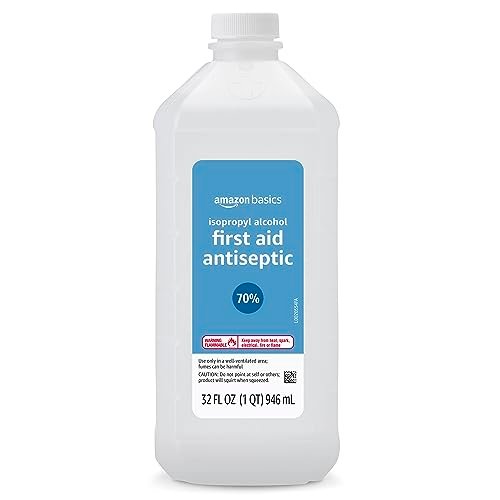
Amazon Basics 70% Isopropyl Alcohol
This bottle of Amazon Basics 70% Isopropyl Alcohol is a staple in my first aid kit and my cleaning cabinet. As a first aid antiseptic, it works reliably to prevent infection in minor scrapes, cuts, and shallow burns. The active ingredient of 70% rubbing alcohol is diluted with purified water, which actually helps it penetrate cell walls to kill bacteria more effectively than 99% pure alcohol. You get a generous 32 fluid ounce bottle that lasts a long time for household disinfecting tasks. Just keep in mind that the packaging is transitioning so your bottle might look slightly different than the stock photo.
- First Aid Antiseptic: Formulated specifically to sanitize superficial skin wounds and prevent bacterial growth.
- Optimized 70% Concentration: Contains 30% purified water, which slows evaporation and allows the alcohol to destroy microbes.
- Generous 32-Ounce Bottle: Offers a highly cost-effective volume of liquid for sanitizing high-touch surfaces.
- Unscented Formula: Free from synthetic fragrances, artificial colors, or irritating additives.
Pros
- Cleans glass, mirrors, and electronic screens without leaving streaks.
- Disinfects household items, tweezers, and makeup brushes quickly.
- Stays wet on the skin slightly longer than 91% alcohol to ensure proper sanitization.
Cons
- Extremely flammable and must be kept far away from any open flames or heat sources.
- Will not dissolve cured plastics, acrylics, or heavy-duty glues.
Best for:
Families needing a reliable household disinfectant, wound sanitizer, or streak-free glass cleaner.
Expert Opinion: The 70% concentration of rubbing alcohol is the sweet spot for killing germs on both skin and surfaces because the water content keeps it from evaporating too quickly to work.
Acetone vs IPA for Cleaning: Key Differences That Matter
When you compare these two liquids, performance comes down to how they interact with different materials. Acetone acts as an aggressive solvent. It attacks organic molecules, meaning it will melt plastics, strip paint, and dissolve superglue instantly. If you spill acetone on a cheap plastic tray, the tray will warp and dissolve.
In my experience, isopropyl alcohol (IPA) is much gentler. It lifts grease, kills bacteria, and removes light inks without destroying the underlying plastic or paint. Because of this, I always use IPA to sanitize remote controls, phones, and computer keyboards.
Pricing is another clear point of difference. You will get much more volume for your money with isopropyl alcohol. It is a mass-produced first aid item, making it cheap to buy in large quantities. Acetone costs more per ounce because refining it to a 100% pure, cosmetic-grade liquid requires a more specialized production process.
User experience varies wildly due to the smell and skin contact. Acetone has a sharp, sweet chemical odor that can trigger headaches in small rooms. It also dries your skin out instantly, leaving a white, powdery residue. IPA smells like a doctor’s office, evaporates cleanly, and does not strip skin oils nearly as violently.
Which Should You Choose?
Your choice depends entirely on the material you are working with. Pick the 100% pure acetone if you need to melt away acrylic gel nails, strip old paint, clean metal tools, or dissolve dried superglue. It is the only option that has the chemical muscle to break down cured polymers and heavy adhesives.
Opt for the 70% isopropyl alcohol if your main goals are disinfecting, cleaning electronics, or wiping down household surfaces. It is safer to handle, safe for most plastics, and serves as an excellent antiseptic for minor cuts.
Ultimately, both liquids serve completely different purposes. I keep both in my home because using the wrong one can easily ruin your surfaces or fail to clean the mess.
Frequently Asked Questions
Q: Is acetone vs ipa for cleaning better when dealing with sticky tape residue?
A: Acetone is far superior for dissolving tape residue, sticker glue, and wet paints because it breaks down the chemical polymers. IPA can soften some light adhesives, but it requires much more scrubbing.
Q: Can I use acetone vs ipa for cleaning my computer keyboard and mouse?
A: You should use IPA for cleaning electronics. Acetone will melt the plastic housing and keys of your keyboard, ruining them permanently.
Q: Which liquid is safer to use as a skin antiseptic?
A: Isopropyl alcohol is the safe choice for skin disinfection. Acetone strips natural oils completely and can cause severe skin dryness or irritation.
Q: Will isopropyl alcohol remove gel nail polish?
A: No, 70% isopropyl alcohol is not strong enough to break down the cured polymers in gel polish. You will need 100% pure acetone to dissolve gel manicures.
Q: Can I use both liquids on wood furniture?
A: You should avoid using both on finished wood. Acetone will instantly strip away varnishes and lacquer finishes, while alcohol can dull or discolor shellac coatings.
Q: Why does 70% isopropyl alcohol disinfect better than 99% alcohol?
A: The 30% water content in 70% alcohol slows down evaporation, giving the liquid enough time to penetrate cell walls and neutralize bacteria. 99% alcohol evaporates too fast to kill all germs.
When you purchase a product through Amazon links on kitchinprep.com, we may earn a small commission at no extra cost to you. We may earn a commission on qualifying purchases made through our links, including those from Amazon and other partners, at no extra cost to you.

Kris S. Cary is the founder of KitchinPrep.com and a passionate kitchen enthusiast with over three years of experience in the culinary world. A graduate of the Culinary Management, A.S. program at Daytona State College in Daytona Beach, USA, Kris spent two years honing their skills and deepening their love for cooking and kitchen essentials. Specializing in kitchen baking tools, Kris is dedicated to sharing practical tips, insightful product reviews, and expert guides to help home cooks elevate their baking and cooking game. When not testing the latest kitchen gadgets, Kris is likely whipping up something delicious or dreaming up new ways to inspire culinary creativity.