
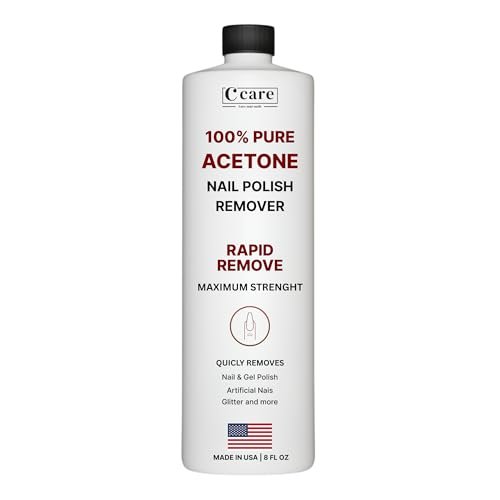
I have spent years in both the garage and the workshop using various solvents to prep surfaces and strip stubborn residues. In my experience, people often confuse acetone and brake cleaner because they both dissolve grease and dry incredibly fast. This hands-on comparison will break down exactly how these two powerful chemical agents perform in real-world scenarios so you can choose the right tool for your next project.
Product 1: 100% Pure Acetone Nail Polish Remover
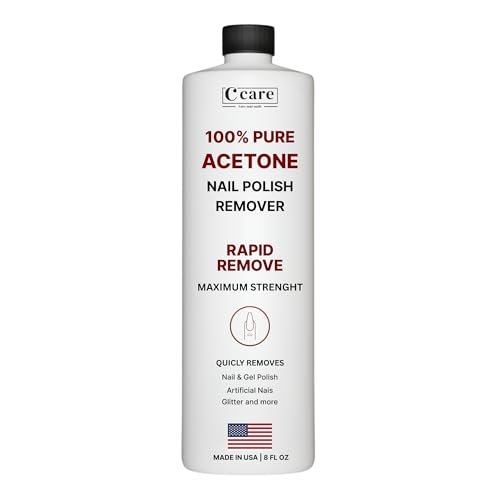
I keep a bottle of this 100% Pure Acetone in my workshop because its chemical purity makes it incredibly reliable. It acts as a rapid-remove and highly effective solvent that liquefies everything from heavy-duty adhesives to cured resins in seconds. This bottle delivers professional-grade quality for all users, making it a staple for cleanups that require zero oily residue left behind. Even with its high strength, the formula is surprisingly gentle on nails despite potency when you use it carefully on living tissue. You will find it to be a multi-purpose and highly versatile liquid that cleans metal parts, dissolves super glue, and preps surfaces before painting.
- 100% Pure Acetone: This formula contains no added water, oils, or perfumes, ensuring maximum chemical strength for demanding tasks.
- Rapid-Remove Action: It breaks down and liquefies tough substances in seconds to minimize scrubbing time.
- Professional-Grade Quality: The chemical purity delivers consistent results for both delicate cosmetic removal and tough workshop cleanups.
- Gentle on Nails: Specially prepared to prevent excessive drying of skin and cuticles when applied as directed.
- Highly Versatile Formula: It works beautifully to clean salon tools, dissolve resin, and prep bare metal.
Pros
- Leaves absolutely zero residue or film behind on cleaned surfaces.
- Dissolves cured adhesives and epoxy much faster than standard denatured alcohol.
- Easy to control and apply with a cloth or cotton swab.
Cons
- Evaporates extremely quickly, requiring frequent reapplication during large projects.
- Highly flammable liquid that must be kept far away from open flames or sparks.
Best for: DIYers needing a residue-free solvent for surface prep, adhesive removal, or professional nail care.
Expert Opinion: Pure acetone is unmatched for precision cleaning and dissolving polymers because it evaporates clean without leaving any oily film behind.
Product 2: CRC BRAKLEEN Brake Parts Cleaner (Non-Flammable)
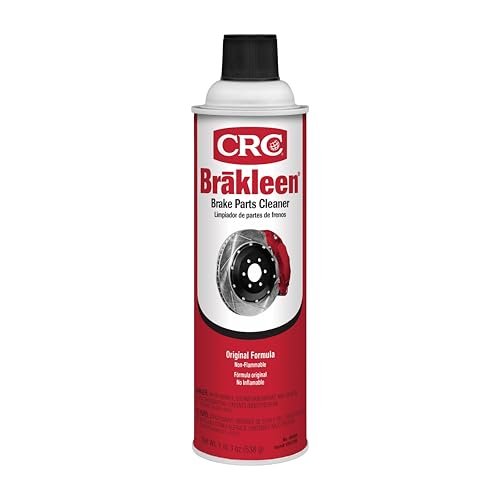
When I need to blast away caked-on road grime and stubborn oils from metal components, I reach for this heavy-duty spray. This is the original brake parts cleaner that mechanics have trusted for decades to handle the dirtiest automotive jobs. It is specially formulated to quickly & effectively remove grease, brake dust, brake fluids, oils, & other contaminants without requiring you to scrub the metal raw. The pressurized aerosol can blasts the chemical deep into tight crevices where liquid solvents cannot easily reach. Because this formula is non-flammable, you can safely use it around hot engine components or in busy shop environments without worrying about accidental ignition.
- Powerful Aerosol Delivery: The pressurized spray blast mechanically forces dirt and contaminants out of tight metal spaces.
- Specialized Degreasing Formula: It targets stubborn petroleum-based substances, brake dust, and heavy oils instantly.
- Non-Flammable Chemistry: Formulated with chlorinated solvents that will not ignite, increasing shop safety.
- Heavy-Duty Action: Designed specifically for metal brake linings, pads, drums, and calipers.
Pros
- Instantly cuts through baked-on wheel bearing grease and road grime.
- Pressurized spray nozzle allows you to clean parts without touching them.
- Dries incredibly fast with no lingering liquid pool.
Cons
- Contains chlorinated solvents that release toxic fumes, requiring excellent ventilation.
- Cannot be sold or used in California, New Jersey, or Catalina Island due to environmental regulations.
Best for: Automotive mechanics and DIYers who need to clean greasy metal parts and brake assemblies safely.
Expert Opinion: This chlorinated formula is the gold standard for cutting grease safely in busy shops where sparks or hot surfaces make flammable solvents too dangerous to use.
Acetone vs Brake Cleaner: Key Differences That Matter
Performance Comparison
Acetone excels at breaking down complex organic polymers. If you have spilled super glue, dried paint, or polyester resin, acetone will dissolve it. Brake cleaner focuses on heavy petroleum grease and oily deposits. It does not dissolve adhesives well, but its mechanical spray action strips away road grime instantly.
Price and Value Analysis
A bottle of pure acetone is highly concentrated. You only use a small splash on a rag, meaning a single bottle lasts a long time. Brake cleaner comes in aerosol cans. While the individual can is inexpensive, you tend to spray it generously. This means you will go through multiple cans quickly on large jobs.
Formulation Quality
The chemical purity of acetone is its main strength. It is a 100 percent pure chemical compound with no added fillers or water. CRC Brakleen is a highly specialized formulation. It contains chlorinated compounds designed to remain stable and resist combustion under extreme heat. This makes the brake cleaner formula incredibly stable in high-temperature garage environments.
User Experience Differences
Using acetone is a manual process. You pour it onto an applicator and scrub the target area. The sweet scent is strong but tolerable in moderate amounts. Spraying brake cleaner is loud, fast, and intensely smelly. The pressurized blast clears grease instantly, but you must wear a heavy mask to avoid inhaling the chlorinated fumes.
Which Should You Choose?
If your project involves delicate tasks like surface prep for painting, 3D print smoothing, or adhesive removal, you should choose pure acetone. It dissolves plastics and adhesives without leaving any greasy film behind.
If you are tackling heavy automotive repair, greasy engine blocks, or dirty brake calipers, buy the aerosol brake cleaner instead. Its non-flammable formula is crucial for safety in a busy garage.
Ultimately, both solvents deserve a spot on your workshop shelf. They serve entirely different purposes despite their similar drying speeds. I always keep a bottle of pure acetone for precise adhesive removal and a can of brake parts cleaner for heavy-duty metal degreasing. Matching the chemical to the specific task will save your surfaces from damage and keep your workspace safe.
Frequently Asked Questions
Q: Is there a major chemical difference when comparing acetone vs brake cleaner?
A: Yes. Pure acetone is a single organic ketone compound that dissolves plastics, adhesives, and paints. Brake cleaner is a blend of chlorinated or non-chlorinated solvents designed to strip petroleum grease and metallic dust without melting surrounding metal.
Q: Can I use brake cleaner to remove paint or nail polish?
A: You should avoid this. Brake cleaner contains harsh chlorinated compounds that are highly toxic to skin and can ruin painted surfaces unevenly, whereas acetone is designed to safely dissolve these coatings.
Q: Which solvent evaporates faster?
A: Acetone evaporates incredibly fast on open surfaces. Brake cleaner also dries rapidly, but its pressurized spray allows it to penetrate deeply before evaporating completely.
Q: In the battle of acetone vs brake cleaner, which is safer for plastic parts?
A: Neither is particularly safe for plastics, but acetone will instantly melt or severely degrade most plastics like ABS and acrylic. Some non-chlorinated brake cleaners are slightly more forgiving, but you should spot-test both solvents first.
Q: Can I use acetone to clean my car’s brake rotors?
A: You can use pure acetone to degrease rotors in a pinch because it leaves no residue. However, it lacks the pressurized blasting power of an aerosol brake cleaner to wash away heavy metallic dust.
Q: Why is CRC Brakleen restricted in California and New Jersey?
A: This specific formula contains chlorinated solvents like tetrachloroethylene. These chemicals are regulated heavily in certain states due to environmental concerns and health risks associated with inhaling their vapors.
Q: Do either of these solvents leave a greasy residue behind?
A: No. Both pure acetone and chlorinated brake cleaner are formulated to dry completely clean with zero residue, which makes them excellent for prep work.
When you purchase a product through Amazon links on kitchinprep.com, we may earn a small commission at no extra cost to you. We may earn a commission on qualifying purchases made through our links, including those from Amazon and other partners, at no extra cost to you.

Kris S. Cary is the founder of KitchinPrep.com and a passionate kitchen enthusiast with over three years of experience in the culinary world. A graduate of the Culinary Management, A.S. program at Daytona State College in Daytona Beach, USA, Kris spent two years honing their skills and deepening their love for cooking and kitchen essentials. Specializing in kitchen baking tools, Kris is dedicated to sharing practical tips, insightful product reviews, and expert guides to help home cooks elevate their baking and cooking game. When not testing the latest kitchen gadgets, Kris is likely whipping up something delicious or dreaming up new ways to inspire culinary creativity.