
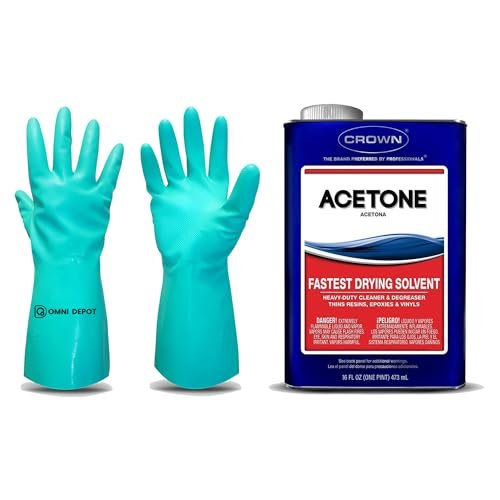
I’ve spent years keeping my workshop and home medical kit stocked with various liquid solvents, and I’ve tested both of these liquids across dozens of dirty jobs. Choosing between a heavy-duty industrial degreaser like Crown 100% Pure Acetone and a gentle skin antiseptic like Amazon Basics 70% Ethyl Rubbing Alcohol comes down to understanding the chemical limits of each bottle. This hands-on comparison will help you decide which liquid is safe for your specific project and which one will ruin your surfaces.
100% Pure Crown Acetone Solvent Cleaner
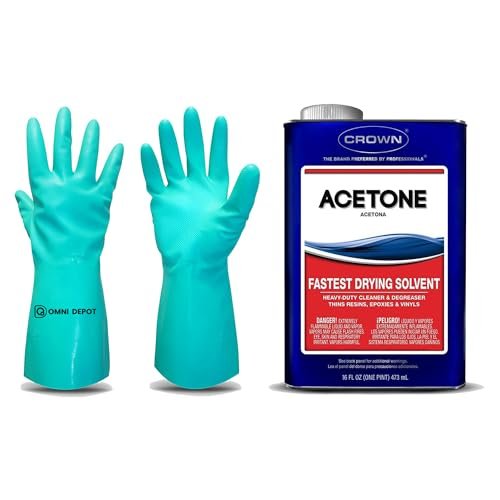
To prep metal frames for painting and strip away stubborn cured adhesives, I grabbed a bottle of 100% Pure Crown Acetone. This chemical liquid works incredibly fast. By utilizing a high-strength pure acetone performance, it dissolves tough gunk, grease, and resins on contact. Because the strong chemical quickly strips moisture from bare skin, Crown ships this bottle with Omni Depot protective gloves. Users can expect clean, residue-free results since the solvent evaporates almost instantly without leaving an oily film. If you need an efficient choice for fast-paced workflows, this fast-drying liquid keeps your projects moving without delay. Storing the practical 16 oz size on a crowded garage shelf is easy because the bottle has a compact, space-saving footprint.
- Pure Acetone Performance: Undiluted chemical action dissolves resins, adhesives, fiberglass, and heavy grease.
- Omni Depot Gloves Included: Heavy-duty gloves keep the harsh solvent off your bare hands during tough cleaning tasks.
- Residue-Free Dry: Evaporates rapidly into the air, leaving a completely clean surface behind.
- Workflow Efficiency: Minimizes downtime because you can paint or glue surfaces seconds after wiping them down.
- 16 oz Container: Compact size fits easily on a garage shelf without taking up too much room.
Pros
- Melts through cured glue, nail polish, and heavy grease with minimal scrubbing.
- Dries incredibly fast to speed up your project times.
- Leaves zero streaks or residue behind on metal and glass.
- Included protective gloves are durable and fit well.
Cons
- Strong, harsh chemical fumes require excellent ventilation.
- Destroys or severely melts many common plastics and painted surfaces.
- Dries out bare skin rapidly if you forget to wear the gloves.
Best for:
DIY enthusiasts prepping metal surfaces, mechanics stripping heavy grease, and individuals needing to dissolve stubborn cured adhesives or acrylic nails.
Expert Opinion: Crown Acetone is a highly effective, industrial-grade liquid that must be handled with respect. It is your best option when gentle household cleaners fail to cut through sticky residues.
Amazon Basics 70% Ethyl Rubbing Alcohol
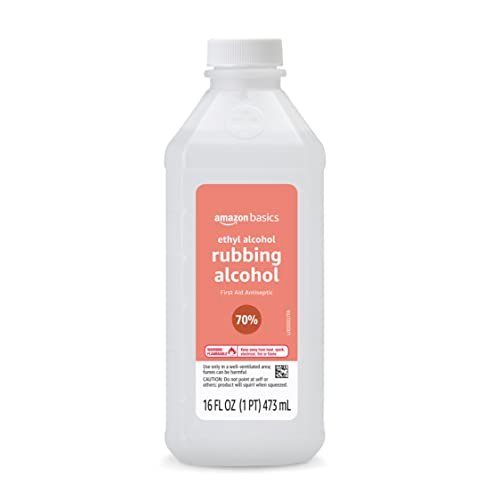
For emergency scrapes and quick sanitation needs, a bottle of Amazon Basics 70% Ethyl Rubbing Alcohol always sits in my bathroom cabinet. This gentle formula functions as a reliable first aid antiseptic to prevent infection in minor wounds. Because it contains 70% ethyl alcohol by volume, it provides the optimal concentration for breaking down bacterial cell walls on the skin. Applying the unscented liquid is simple with a cotton ball, though you will still notice a mild, classic alcohol scent. Always remember that this liquid is for external use only and poses a serious fire hazard if exposed to sparks. To keep the storage safe, the 16 fluid ounce bottle uses a sturdy, tight-fitting cap to prevent leaks.
- 70% Ethyl Alcohol Formula: Standard antiseptic strength perfect for home medical kits and minor sanitizing.
- First Aid Antiseptic: Designed to prevent infection in minor scrapes, cuts, and burns.
- Unscented Liquid: Formulated without artificial fragrances to reduce skin irritation.
- 16 oz Bottle Size: Standard volume provides plenty of liquid for daily home hygiene needs.
- Flammability Warnings: Clear danger labels warn users to keep the volatile liquid away from heat sources.
Pros
- Safe for direct skin application and basic wound disinfection.
- Much gentler on most plastics, rubbers, and electronics than acetone.
- Inexpensive option for general household sanitizing.
Cons
- Evaporates slightly slower than higher 91% or 99% isopropyl formulas.
- Lacks the chemical strength to dissolve cured adhesives, paints, or heavy resins.
Best for:
Families stocking a first aid kit, people cleaning delicate electronic casings, and anyone needing a safe, mild daily disinfectant.
Expert Opinion: This ethyl alcohol is a household staple that balances sanitizing power with user safety. It is the correct choice for body care and gentle cleaning tasks where aggressive solvents would cause damage.
acetone vs alcohol cleaning: Key Differences That Matter
Performance Comparison
Testing these liquids side by side reveals a dramatic performance gap. Acetone acts as an aggressive chemical solvent, meaning it actively breaks down the molecular bonds of plastics, cured glues, varnishes, and heavy greases. Rubbing alcohol works primarily as a disinfectant and light degreaser. While ethyl alcohol easily wipes away fingerprint oils and surface germs, it will not dissolve cured superglue or paint drips.
Price and Value Analysis
Budgeting for these items reveals another stark contrast. A standard bottle of Amazon Basics ethyl alcohol costs very little, making it highly economical for general home cleaning. The Crown Acetone costs more upfront. However, the package includes premium safety gloves and offers heavy-duty chemical power that cheap alcohol simply cannot replicate.
Safety and Purity Comparison
The physical properties of the liquids dictate how you must handle them. Crown Acetone consists of 100% pure solvent, which makes it highly volatile and corrosive to synthetic materials. Amazon Basics uses a 70% dilution with pure water, rendering it safe for human skin and much less reactive to surfaces. You must wear protective gear when pouring acetone, whereas rubbing alcohol can be applied directly to bare hands.
User Experience Differences
Working with these fluids feels entirely different. Using acetone requires constant vigilance and open windows to clear out the potent fumes. Spilling even a tiny drop on a finished wooden table can ruin the varnish instantly. Rubbing alcohol offers a much more forgiving experience. The scent is mild, the liquid stays wet long enough to wipe a surface clean, and an accidental spill will not destroy your workspace.
Which Should You Choose?
- Choose Crown 100% Pure Acetone if you are tackling heavy-duty tasks like stripping acrylic nails, removing cured superglue, thinning fiberglass resins, or prepping bare metal for a fresh coat of paint.
- Choose Amazon Basics 70% Ethyl Rubbing Alcohol if you need to stock your home first aid kit, sanitize minor skin scrapes, clean plastic electronic controllers, or perform general household sanitizing.
My final verdict depends entirely on the surface you want to clean. Do not use acetone on plastics, varnished wood, or your skin. Save the heavy-duty Crown solvent for metal, glass, and ceramic tasks that require serious chemical strength. Keep the gentle Amazon Basics rubbing alcohol on hand for everyday sanitization, first aid, and light household chores.
Frequently Asked Questions
Q: What is the main difference between acetone vs alcohol cleaning on household surfaces?
A: Acetone actually dissolves and melts materials like plastics, paints, and glues, while rubbing alcohol gently sanitizes surfaces without damaging most synthetic finishes.
Q: Can I use rubbing alcohol to clean up spilled superglue?
A: No, rubbing alcohol lacks the chemical strength to dissolve cured superglue. You need to use 100% pure acetone to break down the tight cyanoacrylate bonds of the glue.
Q: Why does the Crown Acetone come packaged with protective gloves?
A: Pure acetone is an extremely strong solvent that rapidly strips natural oils from your skin, which can cause painful cracking, drying, and irritation if you do not use hand protection.
Q: Is ethyl rubbing alcohol safe to use on delicate computer screens?
A: No, you should avoid using 70% ethyl alcohol on screens because it can damage the delicate anti-glare coatings. Use a specialized screen cleaner instead.
Q: When comparing acetone vs alcohol cleaning, which one is safer for wood furniture?
A: Rubbing alcohol is much safer, though it can still dull some clear coats if left to puddle. Acetone will instantly strip away and ruin wood varnish, lacquer, and paint finishes.
Q: Can I use Crown Acetone to sanitize a minor cut on my finger?
A: Absolutely not. Acetone is highly toxic to open wounds, will cause severe chemical irritation, and should never be used as a medical antiseptic.
Q: Which of these two liquids evaporates faster?
A: Pure acetone evaporates almost instantly into the air, whereas the water content in 70% ethyl rubbing alcohol causes it to linger on surfaces for a few additional seconds.
When you purchase a product through Amazon links on kitchinprep.com, we may earn a small commission at no extra cost to you. We may earn a commission on qualifying purchases made through our links, including those from Amazon and other partners, at no extra cost to you.

Kris S. Cary is the founder of KitchinPrep.com and a passionate kitchen enthusiast with over three years of experience in the culinary world. A graduate of the Culinary Management, A.S. program at Daytona State College in Daytona Beach, USA, Kris spent two years honing their skills and deepening their love for cooking and kitchen essentials. Specializing in kitchen baking tools, Kris is dedicated to sharing practical tips, insightful product reviews, and expert guides to help home cooks elevate their baking and cooking game. When not testing the latest kitchen gadgets, Kris is likely whipping up something delicious or dreaming up new ways to inspire culinary creativity.