
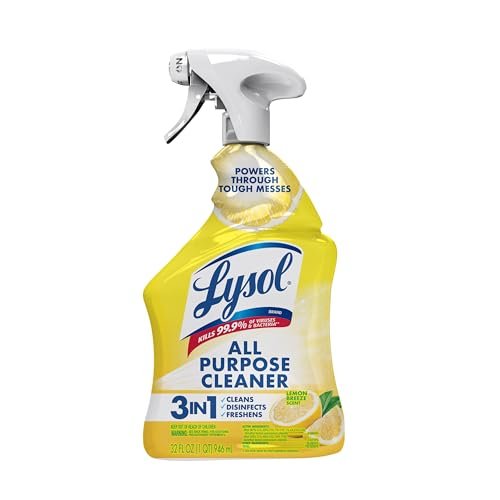
I have spent the last three weeks scrubbing countertops and wiping down sticky kitchen surfaces with both Lysol All Purpose Cleaner Spray and Method Antibacterial All-Purpose Cleaner Spray to see how they actually compare in real-world messy situations. In this guide, you will discover how these two popular household sprays differ in cleaning power, sanitizing capabilities, and daily usability. We will look past the marketing claims to find out which bottle deserves a permanent spot under your sink.
Lysol All Purpose Cleaner Spray Review
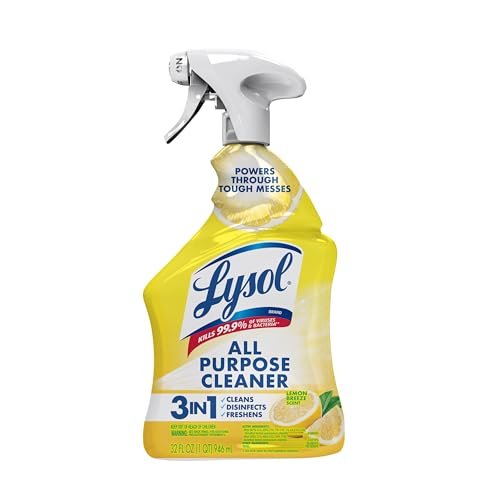
For years, I have reached for this familiar yellow bottle whenever my kitchen counters needed a serious deep clean. This formula kills 99.9% of viruses and bacteria, which gives me peace of mind when prepping raw poultry on the kitchen island. It is a highly effective multi surface cleaner and degreaser that cuts through stubborn grease layers on the stove stove without leaving behind sticky residues. Lysol managed to formulate this product with 0% bleach, meaning you get clinical-strength sanitization without ruining your clothes or inhaling suffocating fumes. The convenient Lysol spray trigger delivers a fine, even mist that covers large surface areas quickly. It removes soap scum in the bathroom easily, making it a reliable workhorse for weekly chores.
- Kills 99.9% of viruses and bacteria including the COVID-19 virus
- Multi-surface cleaner and degreaser safe for hard, non-porous surfaces
- Formulated with 0% bleach to avoid fabric staining and harsh fumes
- Offers fast-acting sanitization for quick touch-ups
-
Effectively cuts through tough grease and grime in kitchens and bathrooms
-
Excellent grease-cutting performance on stovetops
- Sanitizes surfaces very quickly without requiring a long wet wait time
- Strong lemon scent masks unwanted odors in trash cans and bathrooms
-
Safe on sealed stone, laminate, and porcelain surfaces
-
Chemical scent can feel slightly overwhelming in small, unventilated spaces
- Leaves a slight film on glass surfaces if not buffed out properly
Best for: Homeowners who prioritize hospital-grade sanitization and need a heavy-duty grease cutter for messy kitchens.
Expert Opinion: This is a top-tier disinfecting spray that delivers unmatched grease-cutting power, though the chemical scent requires a bit of ventilation during heavy use.
Method Antibacterial All-Purpose Cleaner Spray Review
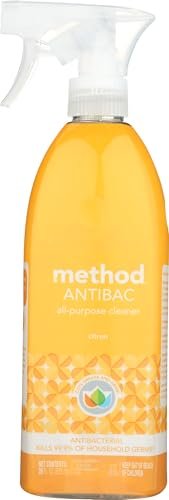
Testing this vibrant yellow bottle changed how I think about eco-friendly disinfectants. This antibacterial all purpose cleaner is made with citric acid as its active ingredient, offering a different approach to germ-killing than traditional chemical formulas. It kills 99.9% of household germs, targeting common culprits like staphylococcus aureus and influenza A. You can clean and sanitize in one easy step, saving valuable time during busy evening cleanups. The formula is incredibly tough on grease and grime while remaining gentle on sealed surfaces. I found that the bright citron scent lingers pleasantly in the air without causing any coughing fits.
- Citric acid-based formula targets household bacteria naturally
- Kills 99.9% of household germs including flu virus and salmonella
- Cleans and sanitizes in one single step
- Non-abrasive composition is easy on surfaces but hard on messes
-
Features a refreshing, plant-derived citron fragrance
-
Pleasant, natural citrus scent lacks harsh chemical fumes
- Excellent spray bottle ergonomics with a smooth trigger pull
- Biodegradable ingredients make it a friendlier choice for homes with pets
-
Dries quickly without leaving any dulling residue behind
-
Requires a full ten-minute contact time on surfaces to sanitize completely
- Struggles slightly with baked-on, burnt grease compared to stronger chemical solvents
Best for: Families looking for an effective, plant-based disinfecting spray that smells great and uses milder active ingredients.
Expert Opinion: Method successfully proves that a citric acid formula can kill germs effectively while providing an incredibly pleasant, non-toxic user experience.
All Purpose Cleaner vs Antibacterial: Key Differences That Matter
Performance Comparison
When comparing how these products clean, they take different paths to achieve a spotless home. Lysol relies on conventional quaternary ammonium compounds to dissolve oils and destroy pathogens quickly. It melts baked-on grease off my stovetop with minimal scrubbing. Method uses citric acid to break down grime and kill bacteria. While it easily handles daily dust and coffee rings, stubborn kitchen grease requires a bit more elbow grease. If your main goal is speed and power against heavy messes, Lysol holds a slight edge.
Price and Value Analysis
Lysol typically offers a slightly better cost-per-ounce ratio, especially when you buy the larger 32-fluid-ounce bottles. It is a highly concentrated formula designed for heavy-duty household chores. Method comes in a slightly smaller 28-fluid-ounce bottle and costs a little more because of its specialized, plant-based ingredients. I find that you use roughly the same amount of liquid per clean with both brands. Buying Lysol makes sense for budget-conscious buyers, whereas Method appeals to those willing to pay a premium for greener cleaning agents.
Build Quality Comparison
The physical spray bottles themselves differ significantly in hands-on use. Method features a sleek, ergonomic bottle design with a wide, comfortable trigger that reduces finger fatigue during long cleaning sessions. The nozzle produces a wide, wet mist that covers surfaces evenly. Lysol uses a more traditional, utilitarian bottle design. The trigger feels solid but has a shorter draw, which sometimes requires more pumps to cover the same area. Lysol’s plastic feels incredibly thick and durable, meaning it can survive accidental drops onto tiled floors without cracking.
User Experience Differences
Using these sprays back-to-back reveals contrasting sensory experiences. Lysol smells clean, but it carries a distinct, sharp chemical undertone that lingers in small bathrooms. I prefer to crack open a window when using it heavily. Method smells like a fresh lemon orchard, creating an inviting atmosphere that makes cleaning feel less like a chore. The lack of harsh chemical vapors makes the Method spray far more pleasant for quick daily wipe-downs when kids or pets are nearby.
Which Should You Choose?
Your choice between these two cleaners depends entirely on your cleaning priorities. If your focus is deep disinfection after prepping raw meat, Lysol is the logical choice. The formula sanitizes surfaces rapidly, making it excellent for high-traffic kitchens.
Choose Method if you want a safer, plant-based option for your household. It works beautifully on daily dirt, leaves a fresh citron scent, and does not require ventilation. If you are comparing an all purpose cleaner vs antibacterial spray for homes with sensitive noses, Method wins easily.
My final verdict points to Method for daily maintenance and Lysol for deep-cleaning days. Having both under the sink ensures you have the right tool for both light dust and heavy messes. Method is the spray I reach for most often because of its scent, but I always keep Lysol on hand for cold and flu season.
Frequently Asked Questions
Q: What is the main difference when looking at an all purpose cleaner vs antibacterial spray?
A: Standard all-purpose cleaners are designed solely to lift dirt, dust, and grease from surfaces without killing germs. Antibacterial sprays contain active ingredients like citric acid or quaternary ammonium compounds that physically destroy bacteria and viruses on contact.
Q: Can I use an all purpose cleaner vs antibacterial cleaner on granite countertops?
A: Standard cleaners are usually safe on sealed granite, but you must check the label of antibacterial sprays carefully. Lysol and Method are safe for sealed stone, but formulas with harsh acids can strip away the protective sealant over time.
Q: Do I need to rinse surfaces after using Lysol All Purpose Cleaner?
A: You do not need to rinse surfaces unless they come into direct contact with food or toys that children might put in their mouths. A simple water rinse after disinfecting food-prep areas ensures complete safety.
Q: How long must Method Antibacterial spray stay wet to kill germs?
A: Method requires the surface to remain thoroughly wet for ten minutes to kill 99.9% of household bacteria. Wiping it off immediately will clean the dirt away but will not sanitize the surface completely.
Q: Is the Lysol spray safe to use around pets?
A: You should keep pets away from the area while spraying and until the liquid dries completely. Once dry, the surface is safe for paws, though you should avoid using it on pet food bowls or cages.
Q: Does Method Antibacterial All-Purpose Cleaner leave streaks on glass?
A: This formula can leave minor streaks on mirrors and windows because of the cleaning agents and oils. It is best to use a dedicated glass cleaner for crystal-clear, streak-free windows.
Q: Can these sprays kill the mold in my shower?
A: While these cleaners work well on daily soap scum, they are not designed to eradicate deep mold or mildew roots. You will need a bleach-based cleaner or a dedicated mildew remover to solve severe mold problems in your bathroom.
When you purchase a product through Amazon links on kitchinprep.com, we may earn a small commission at no extra cost to you. We may earn a commission on qualifying purchases made through our links, including those from Amazon and other partners, at no extra cost to you.

Kris S. Cary is the founder of KitchinPrep.com and a passionate kitchen enthusiast with over three years of experience in the culinary world. A graduate of the Culinary Management, A.S. program at Daytona State College in Daytona Beach, USA, Kris spent two years honing their skills and deepening their love for cooking and kitchen essentials. Specializing in kitchen baking tools, Kris is dedicated to sharing practical tips, insightful product reviews, and expert guides to help home cooks elevate their baking and cooking game. When not testing the latest kitchen gadgets, Kris is likely whipping up something delicious or dreaming up new ways to inspire culinary creativity.