
I have spent years restoring furniture and cleaning up messy workshops, and during that time, both Klean-Strip Odorless Mineral Spirits and 100% Pure Acetone have earned permanent spots on my workbenches. In this comparison, I will share my hands-on experience to help you understand exactly when to reach for each solvent so you do not ruin your project. You will learn how their chemical behaviors, drying times, and dissolving powers differ in real-world scenarios.
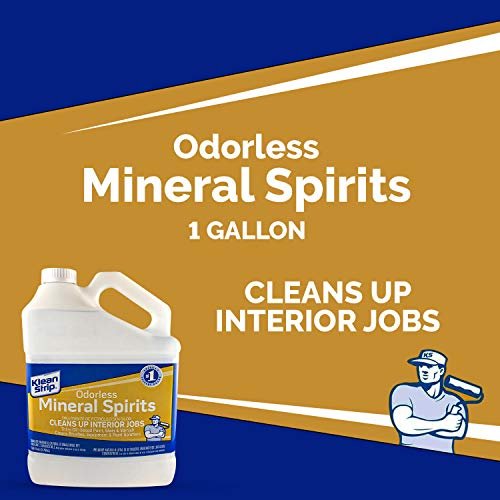
Klean-Strip GKSP94214 Odorless Mineral Spirits, 1-Gallon
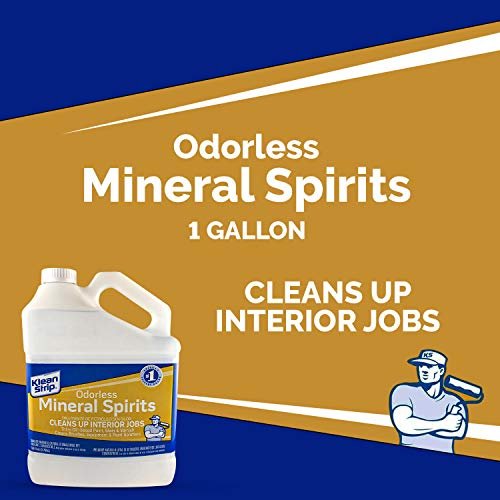
I keep this massive one-gallon jug of Klean-Strip Odorless Mineral Spirits nearby whenever I am tackling heavy workshop projects. It serves as a premium, highly refined solvent that thins oil-based paint to a perfect spraying consistency. When I am finishing a woodworking piece, this formula effortlessly thins stain and varnish to prevent ugly brush marks. It excels when I need to clean brushes and other applicator tools before the paint cures. Spills happen often in my workspace, and this fluid safely cleans equipment and paint splatters from hard surfaces. Best of all, it cleans up interior jobs without filling my entire home with noxious fumes.
- Premium refining process that removes most of the harsh, traditional solvent odors.
- Slow evaporation rate that allows for deep penetration and excellent paint leveling.
- Versatile thinning capabilities specifically formulated for oil-based paints, varnishes, and wood stains.
- Heavy-duty degreasing properties to clean metal parts, tools, and workshop machinery safely.
Pros
- Extremely low odor compared to standard paint thinners, making indoor work tolerable.
- Does not evaporate instantly, which gives you ample time to wipe down surfaces.
- Highly effective at breaking down sticky adhesives and greasy residues without damaging metals.
Cons
- Not suitable for thinning latex or water-based paints.
- Can leave a very slight oily residue that requires a final wipe with soap and water.
Best for: DIYers, woodworkers, and painters working with oil-based mediums indoors.
Expert Opinion: This is the safest and most forgiving solvent for wood finishing because its slow drying time prevents the wood stain from curing too quickly.
100% Pure Acetone Nail Polish Remover
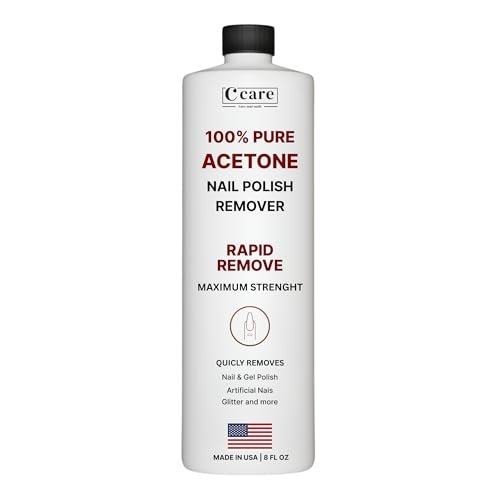
This compact eight-ounce bottle of 100% Pure Acetone is a staple in my household for incredibly fast-acting cleaning and stripping tasks. It features a rapid-remove and highly effective formulation that instantly breaks down stubborn polymers on contact. The 100% pure acetone concentration ensures that you get maximum chemical strength without any oily fillers or diluting agents. It provides professional-grade quality for all users, working just as well on a home workbench as it does in a high-end beauty salon. I have found it is remarkably gentle on nails despite potency when used sparingly with proper moisturizers. This makes it a multi-purpose and highly versatile liquid that transitions from nail care to dissolved adhesives in seconds.
- Ultra-fast evaporation rate that leaves zero residue on the surface after application.
- Maximum chemical strength containing zero water, scent, or moisturizing additives.
- Aggressive solvent action capable of dissolving superglue, epoxy, and heavy resins.
- Compact bottle design that is easy to store and dispense in controlled, small amounts.
Pros
- Dissolves nail polishes, acrylics, and heavy-duty glues almost instantly.
- Leaves absolutely no oily film behind, making it a perfect pre-paint prep cleaner.
- Highly effective at cleaning metal manicure tools and glass surfaces.
Cons
- Emits a very strong, pungent chemical smell that requires excellent room ventilation.
- Easily melts or damages many plastics, painted finishes, and synthetic fibers.
Best for: Nail technicians, crafters working with adhesives, and those needing a fast-evaporating degreaser.
Expert Opinion: This is an incredibly aggressive solvent that excels at stripping finishes, but you must keep it far away from plastics and finished wood.
acetone vs mineral spirits for cleaning: Key Differences That Matter
Performance Comparison
When comparing performance, the chemical speed of these two solvents could not be more different. Acetone acts with extreme aggression. It breaks down coatings like acrylics, superglues, and nail polishes in a matter of seconds. Mineral spirits work much more slowly. They penetrate greasy build-ups and thin out oil paints over several minutes. If you need to dissolve cured plastic polymers, acetone is your tool, while mineral spirits will barely touch them.
Price/Value Analysis
Looking at the economics, the Klean-Strip mineral spirits offer incredible bulk value. You get a full gallon of solvent for a very reasonable price, which is ideal for large-scale painting and workshop cleaning. The pure acetone comes in a much smaller eight-ounce bottle. While the cost per ounce is higher, a tiny splash of pure acetone goes a long way due to its high concentration. For small, high-precision projects, the small bottle of acetone is highly cost-effective, but mineral spirits win the bulk value category easily.
Formulation Quality Comparison
The formulation quality of these two products determines how they interact with surfaces. Klean-Strip uses a highly refined, odorless grade of mineral spirits. This refining process strips out the heavy aromatic hydrocarbons, leaving you with a clean, slow-drying solvent. The acetone bottle contains a pure, single-ingredient chemical with zero added water or oils. This extreme purity prevents it from leaving any residue behind, unlike cheaper nail polish removers that contain moisturizing additives.
User Experience Differences
The overall user experience highlights the physical differences in how these fluids behave. Mineral spirits have an oily feel and evaporate very slowly, giving you plenty of time to work. They do not dry out your skin immediately, though you should still wear gloves. Acetone feels cold to the touch and evaporates almost instantly. It strips the natural oils from your skin instantly, leaving a white, dry residue if you make contact. The strong, sweet smell of acetone also requires much better ventilation than the odorless mineral spirits.
Which Should You Choose?
Choosing between these two depends entirely on the materials you are working with.
If you are thinning oil paints, cleaning up wood stains, or wiping grease off metal tools, the Klean-Strip mineral spirits are the obvious choice. The slow drying time makes it safe for wood and lets you wipe down large areas without the solvent drying out on you mid-task.
If you need to remove gel nail polish, clean up cured superglue, or strip paint down to the bare metal, the pure acetone is the correct tool. Its aggressive nature breaks down synthetic polymers that mineral spirits cannot dissolve.
My final verdict is to keep both in your cabinet. They do not compete directly because they serve completely different chemical purposes. Use the mineral spirits for wood finishing and oil-based paint cleanup. Save the acetone for stripping tough adhesives, pre-paint prep, and nail care.
Frequently Asked Questions
Q: What is the main difference when comparing acetone vs mineral spirits for cleaning paint brushes?
A: Mineral spirits are designed for cleaning brushes used with oil-based paints, varnishes, and stains. Acetone will dry out natural bristles and melt synthetic bristles made of certain plastics, so it should not be used for brush cleaning unless you are removing dried-on lacquer.
Q: Should I choose acetone vs mineral spirits for cleaning greasy metal automotive parts?
A: Mineral spirits are much better for cleaning greasy metal because they evaporate slowly and penetrate deep into thick grease layers. Acetone evaporates too quickly to dissolve heavy grease effectively on large parts, and it can damage any nearby plastic or rubber seals.
Q: Will mineral spirits ruin plastic surfaces like acetone does?
A: Generally, mineral spirits are much safer on plastics than acetone. Acetone will quickly melt or cloud many plastics, whereas mineral spirits will only affect very specific types of sensitive rubbers and synthetic compounds over long exposure times.
Q: Can I use odorless mineral spirits inside the house?
A: Yes, the odorless formulation of Klean-Strip makes it much safer and more pleasant for indoor use than standard paint thinner. However, you should still ensure there is some basic air circulation in your workspace.
Q: Is 100% pure acetone safe to use on wooden furniture?
A: No, you should avoid putting acetone on finished wooden furniture. It will instantly dissolve the protective lacquer, varnish, or shellac finish, leaving a ruined, sticky spot on the wood.
Q: How should I store these solvents safely?
A: Store both solvents in their original containers in a cool, dry, well-ventilated area away from direct sunlight, open flames, or heat sources. Ensure the caps are sealed tightly to prevent evaporation and leaks.
Q: Can I use mineral spirits to thin water-based acrylic paints?
A: No, mineral spirits will not mix with water-based acrylic or latex paints. Attempting to mix them will cause the paint to clump and ruin the mixture. Use plain water to thin water-based paints.
When you purchase a product through Amazon links on kitchinprep.com, we may earn a small commission at no extra cost to you. We may earn a commission on qualifying purchases made through our links, including those from Amazon and other partners, at no extra cost to you.

Kris S. Cary is the founder of KitchinPrep.com and a passionate kitchen enthusiast with over three years of experience in the culinary world. A graduate of the Culinary Management, A.S. program at Daytona State College in Daytona Beach, USA, Kris spent two years honing their skills and deepening their love for cooking and kitchen essentials. Specializing in kitchen baking tools, Kris is dedicated to sharing practical tips, insightful product reviews, and expert guides to help home cooks elevate their baking and cooking game. When not testing the latest kitchen gadgets, Kris is likely whipping up something delicious or dreaming up new ways to inspire culinary creativity.