
I have spent years testing household cleaning and first-aid supplies to find the absolute best options for tough messes and minor emergencies. In this guide, I will break down exactly how Austin’s Clear Ammonia and Amazon Basics Hydrogen Peroxide perform in real-world scenarios. You will learn which of these household staples wins for deep cleaning, disinfecting, and general safety.
Austin’s 00051 Clear Ammonia Multipurpose Cleaner – 64 Ounce
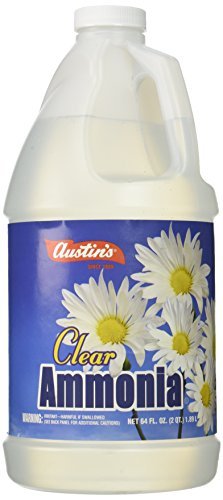
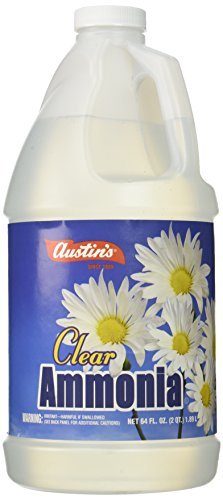
I keep a bottle of Austin’s Clear Ammonia under my sink because it handles the greasy, grimy jobs that regular sprays cannot touch. This multipurpose cleaner for laundry acts as a heavy-duty laundry booster, stripping away tough body oils and sweat smells. When I tackle the kitchen, using this liquid full strength on cement floors or greasy stove hoods yields excellent results without leaving a sticky film. You simply apply it, wait a few minutes, and rinse with clear water to reveal a pristine surface. It works incredibly well on garbage disposals and trash cans, completely neutralizing stubborn odors rather than just masking them.
Key Features
- 64-ounce bottle provides a generous supply for heavy-duty household tasks
- Multipurpose formula works on kitchens, sinks, garbage disposals, and trash cans
- Powerful enough to be used full strength for stubborn grease and grime
- Safe for cleaning durable surfaces like cement floors and tile
- Excellent laundry booster for stripping grease, sweat, and oils from fabrics
Pros
- Unmatched cutting power against grease and baked-on kitchen grime
- Extremely cost-effective for large-scale cleaning projects
- Leaves glass and hard surfaces completely streak-free when diluted properly
- Neutralizes bad odors at the source instead of covering them up
Cons
- Extremely strong, pungent fumes that require excellent ventilation during use
- Highly toxic if mixed with chlorine bleach or other household chemicals
- Can damage delicate surfaces like finished wood or certain plastics
Best for: Homeowners and renters who need a heavy-duty grease cutter and laundry booster for deep-cleaning projects.
Expert Opinion: This chemical is a powerhouse for cutting grease, but you must respect its strength. Always open your windows and wear gloves before opening the bottle.
Amazon Basics Hydrogen Peroxide Topical Solution USP – 32 fl oz
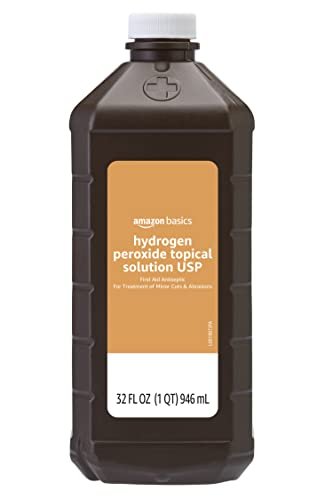
My medicine cabinet is never without Amazon Basics Hydrogen Peroxide because of its reliable antiseptic properties. This 3% hydrogen peroxide formula is a gentle yet highly effective choice for disinfecting minor injuries. I rely on it to prevent the risk of infection from minor cuts, scrapes, and burns without causing intense burning. The solution is entirely paraben and phthalate free, which gives me peace of mind when using it on sensitive skin. Since it contains no rubber latex, it is safe for households with common contact allergies.
Key Features
- 3% hydrogen peroxide active ingredient for mild, safe disinfection
- 32 fluid ounce bottle provides a generous amount for first aid and light household tasks
- Formulated to be completely paraben and phthalate free
- Manufactured with no rubber latex to prevent allergic reactions
- Designed as a direct alternative for those who like Swan Hydrogen Peroxide
Pros
- Highly effective at cleaning minor cuts and scrapes safely
- Bubbling action physically lifts debris and dead tissue out of wounds
- Odorless and breaks down naturally into water and oxygen, making it environmentally friendly
- Versatile enough to use for mild tile grout brightening and organic stain removal
Cons
- Light-sensitive chemical that loses potency quickly if not stored in its dark bottle
- Not strong enough to tackle heavy grease or industrial-level grime
- Slow acting compared to specialized chemical sanitizers
Best for: Families and individuals looking for a safe, non-toxic first aid antiseptic that doubles as a mild, bleach-free stain remover.
Expert Opinion: This is a gentle, reliable antiseptic that belongs in every first-aid kit. Its oxygen-based bubbling action makes it uniquely suited for lifting organic stains without harsh chemical fumes.
ammonia vs hydrogen peroxide for cleaning: Key Differences That Matter
Performance Comparison
Ammonia is an alkaline cleaner, which makes it incredibly effective at dissolving proteins, animal fats, and heavy grease. It does not disinfect surfaces, but it strips away dirt and residue with unmatched speed. Hydrogen peroxide, on the other hand, is an oxidizer. It targets organic matter, bacteria, and viruses by releasing oxygen bubbles that destroy cell walls. For stubborn kitchen grease, ammonia is the clear winner. For sanitizing cutting boards or removing bloodstains, hydrogen peroxide performs much better.
Price and Value Analysis
Austin’s Ammonia offers a massive 64-ounce bottle for a very low price. Because you often dilute it with water, a single bottle can last for months or even years. Amazon Basics Hydrogen Peroxide is also cheap, but it comes in a smaller 32-ounce bottle and is usually used full strength. If you want sheer volume and cleaning coverage per dollar, ammonia easily takes the crown.
Build and Chemical Quality Comparison
The packaging of these two products reflects their chemical nature. Amazon Basics comes in an opaque brown bottle because light breaks down hydrogen peroxide into water. This bottle is sturdy and prevents the liquid from losing its strength prematurely. Austin’s Ammonia comes in a clear, sturdy jug with a secure screw cap. The clear plastic works fine because ammonia is not sensitive to light, but the handle on the jug is essential for safely pouring the chemical without spilling.
User Experience Differences
Using these two liquids feels entirely different. Ammonia has an incredibly strong, suffocating smell that can make your eyes water if you do not open a window. You must wear gloves, and you have to be extremely careful never to mix it with bleach. Hydrogen peroxide is virtually odorless and safe to touch with bare hands. It bubbles gently when it contacts organic material, giving you visual feedback that it is working. It is a much more pleasant, low-stress user experience overall.
Which Should You Choose?
Choosing between these two products depends entirely on the chores you need to tackle. If your goal is deep cleaning greasy stove hoods, scrubbing dirty cement floors, or boosting laundry performance for oily work clothes, Austin’s Clear Ammonia is your best option. Its high alkalinity breaks down stubborn oils that regular soap cannot dissolve.
If you need a reliable antiseptic for cuts, a gentle stain remover for white fabrics, or a non-toxic sanitizer for food-contact surfaces, Amazon Basics Hydrogen Peroxide is the ideal pick. It offers safety and versatility without any harsh fumes.
Ultimately, these two products do not replace each other. They complement each other perfectly in a well-stocked household. Keep the ammonia in the garage or utility closet for heavy-duty degreasing, and keep the hydrogen peroxide in the bathroom cabinet for everyday first aid and gentle sanitizing.
Frequently Asked Questions
Q: What is the main difference between ammonia vs hydrogen peroxide for cleaning?
A: Ammonia is an alkaline degreaser that excels at breaking down fats, grease, and grime, but it does not disinfect surfaces. Hydrogen peroxide is an acidic oxidizer that kills bacteria, viruses, and mold, making it excellent for sanitizing but less effective on heavy grease.
Q: Can I mix ammonia and hydrogen peroxide together?
A: No, you should never mix these two chemicals. Mixing them can create unstable, irritating chemical compounds and compromise the cleaning efficacy of both liquids.
Q: Is ammonia vs hydrogen peroxide for cleaning better for removing pet stains?
A: Hydrogen peroxide is generally better for pet stains because it oxidizes organic compounds and neutralizes urine odors without leaving a strong, residual scent. Ammonia actually smells similar to urine to many animals, which might encourage pets to re-mark the same spot.
Q: Can hydrogen peroxide bleach my clothes?
A: Yes, hydrogen peroxide has mild bleaching properties. While it is safer than chlorine bleach, it can still lift color from dark or sensitive fabrics if left on too long.
Q: Do I need to dilute Austin’s Clear Ammonia before using it?
A: You can use it full strength for extremely tough jobs like cleaning cement floors or greasy stove grates. For general cleaning and laundry, you should dilute it with water according to the label instructions.
Q: Does hydrogen peroxide expire?
A: Yes, an unopened bottle of hydrogen peroxide lasts about three years. Once you open the bottle, it loses its effectiveness within one to six months because exposure to air and light turns it into plain water.
Q: Is ammonia safe to use on hardwood floors?
A: No, you should avoid using ammonia on finished wood floors. The high alkalinity can strip away the protective wax or polyurethane finish and ruin the wood underneath.
When you purchase a product through Amazon links on kitchinprep.com, we may earn a small commission at no extra cost to you. We may earn a commission on qualifying purchases made through our links, including those from Amazon and other partners, at no extra cost to you.

Kris S. Cary is the founder of KitchinPrep.com and a passionate kitchen enthusiast with over three years of experience in the culinary world. A graduate of the Culinary Management, A.S. program at Daytona State College in Daytona Beach, USA, Kris spent two years honing their skills and deepening their love for cooking and kitchen essentials. Specializing in kitchen baking tools, Kris is dedicated to sharing practical tips, insightful product reviews, and expert guides to help home cooks elevate their baking and cooking game. When not testing the latest kitchen gadgets, Kris is likely whipping up something delicious or dreaming up new ways to inspire culinary creativity.