
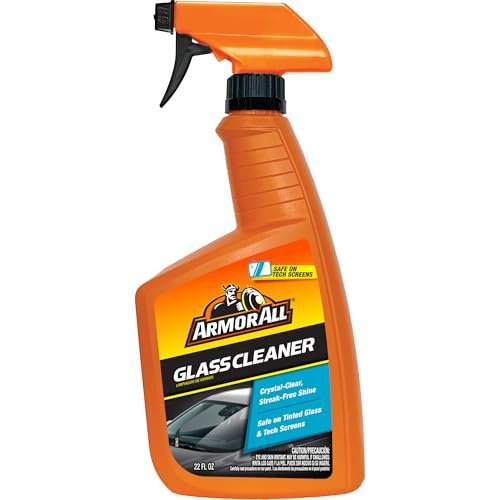
I have spent years cleaning everything from filthy windshields to dusty living room mirrors, and I have tested both of these formulas extensively. In my experience, choosing the wrong spray can leave you staring at a haze of annoying streaks when the sun hits the glass just right. Let us break down how these two popular options stack up in real-world cleaning situations.
Armor All Liquid Auto Glass Cleaner
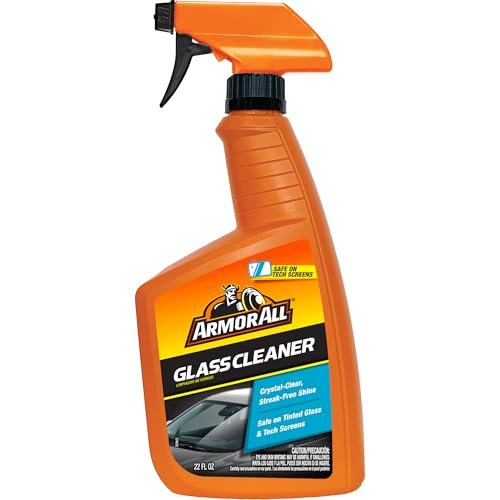
I regularly reach for Armor All Auto Glass Cleaner when detailing dirty car windows because it is specifically formulated to tackle road grime. This 22 Fl Oz spray is designed to cut through tough automotive messes like insect splatters, road salt, and oily interior windshield film without damaging delicate surfaces. Since it is manufactured in the United States, you can trust the quality control behind the chemical formula. The solution is completely ammonia-free, making it safe for factory and aftermarket window tints. It works exceptionally well on glass, but the heavy-duty formula also finds uses on building materials, ladders, and flooring where greasy residue needs removing.
- Specially formulated for automotive glass to cut through road film and bugs
- Ammonia-free formula is completely safe for tinted windows
- Convenient 22 Fl Oz spray bottle with an adjustable nozzle
- Proudly manufactured in the United States
-
Versatile enough to clean grease off building materials and ladders
-
Dissolves stubborn road grime and bug splatters quickly
- Ammonia-free composition will not peel or bubble aftermarket tint
-
Dries relatively fast without leaving a greasy residue
-
Can leave light streaks if wiped with a dirty microfiber towel
- Strong chemical scent might be off-putting to some users
Best for: Car owners, professional detailers, and anyone dealing with tinted windows or heavy outdoor grime.
Expert Opinion: This is my go-to choice for automotive glass because its ammonia-free formulation prevents expensive damage to aftermarket tint films while easily cutting through road oils.
Windex Original Blue Glass and Window Cleaner
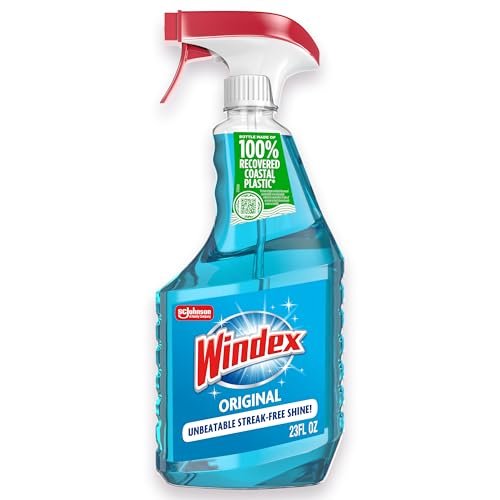
I have used Windex Original Blue Glass and Window Cleaner for domestic chores as long as I can remember. This classic 23 Fl Oz spray bottle is famous for delivering a streak-free shine on mirrors, glass stovetops, and shower doors. It relies on a proven formula to lift away fingerprints, smudges, and everyday dust with very little effort. I appreciate the eco-friendly focus, as the spray bottles are made from 100% recovered coastal plastic in partnership with Plastic Bank. This means you are helping keep waste out of oceans while keeping your home glass surfaces sparkling clean.
- Classic Original Blue formula designed for streak-free home shine
- Works on glass stovetops, mirrors, shower doors, and aquarium glass
- Spray bottles constructed from 100% recovered coastal plastic
- Packaged securely to prevent leakage and breaking during shipping
-
Contains ammonia for deep cleaning action on household grime
-
Unmatched performance on household mirrors and indoor windows
- Eco-friendly packaging helps reduce ocean-bound plastic waste
-
Evaporates incredibly fast to prevent streaks on thin glass
-
Contains ammonia, making it unsafe for tinted automotive windows
- Lacks the strength to easily dissolve baked-on road grease or sap
Best for: Homeowners, renters, and anyone cleaning indoor glass, mirrors, or stovetops.
Expert Opinion: For general household cleaning and mirrors, the fast evaporation rate of this ammonia-based formula remains the gold standard for a streak-free finish.
Auto Glass Cleaner vs Windex: Key Differences That Matter
Performance Comparison
When we look at performance, the chemical makeup dictates the results. Windex uses ammonia to flash-dry quickly on mirrors, which prevents streaks but makes it dangerous for tinted car windows. The Armor All auto glass cleaner is ammonia-free, meaning it clings to road grime, bugs, and tree sap a bit longer to break them down safely. Windex handles light dust and fingerprints better. Armor All dominates when it comes to cutting through thick, oily road film.
Price and Value Analysis
You get 23 ounces of product with Windex compared to 22 ounces with the Armor All spray. Typically, Windex is slightly cheaper per ounce and easier to find in bulk refills. Armor All carries a slight price premium due to its specialized automotive formulation. If you are cleaning an entire house, Windex is the clear budget winner. For dedicated car maintenance, the slightly higher price of Armor All is worth it to protect your window tints.
Bottle Design and Build Quality
Windex uses a leak-resistant bottle design made from recycled coastal plastic. The sprayer trigger feels crisp and distributes a very fine, even mist. Armor All uses a sturdier, thicker plastic bottle that can survive rolling around in a trunk. Its nozzle has a heavier stream setting to target specific stuck-on bugs. Both triggers are reliable, but Windex distributes a wider mist while Armor All offers a more targeted spray.
User Experience Differences
The smell is the first thing you notice when comparing these two. Windex has that familiar, sharp blue scent that signals cleanliness to most people, though the ammonia can be harsh in enclosed spaces. Armor All has a milder, more industrial scent that does not linger as long. While wiping off Windex, it flashes off the glass almost instantly. Armor All requires a bit more buffing with a dry microfiber cloth to ensure no residue remains.
Which Should You Choose?
If you need to clean your car windshield, passenger windows, or any custom tinted glass, you should choose the Armor All auto glass cleaner. It avoids the harsh chemicals that peel window film, and it melts away road grime that household cleaners struggle with. This makes it the ideal choice for automotive detailing.
On the other hand, if you want a streak-free shine on your bathroom mirrors, glass stovetops, or living room windows, grab the classic blue Windex bottle. It is cheaper, evaporates faster, and handles household smudges with absolute ease.
My final verdict is to keep both in your cleaning arsenal. Use the specialized automotive formula for your vehicle maintenance, and trust the time-tested blue spray for everything inside your home.
Frequently Asked Questions
Q: Can I use Windex on my car windows?
A: You can use Windex on standard, non-tinted factory car windows. However, you should avoid using it on aftermarket tinted windows because the ammonia in Windex will damage and peel the tint film.
Q: When comparing auto glass cleaner vs windex, which one is better at removing bugs?
A: The specialized auto glass cleaner is much better at removing bug splatter because it contains surfactants designed to break down organic road debris, whereas Windex is designed for lighter indoor dust.
Q: Is Armor All safe to use on household mirrors?
A: Yes, you can use it on household mirrors, but you might find that it requires a bit more physical buffing to dry streak-free compared to Windex.
Q: Which product is safer for window tint in the auto glass cleaner vs windex debate?
A: Armor All is the safe option here because its formula is completely ammonia-free. Ammonia is the primary ingredient in Windex that destroys window tint adhesives over time.
Q: Does Windex leave a residue on glass stovetops?
A: Windex dries very quickly and rarely leaves any residue on glass stovetops, making it excellent for kitchen cleanups.
Q: Why does my auto glass cleaner sometimes leave streaks?
A: Streaking usually happens when the glass is too hot, or if your microfiber cloth is already saturated with dirt and oils. Always clean glass in the shade and use a fresh, dry cloth for the final buff.
Q: Is the Windex bottle environmentally friendly?
A: Yes, the Windex spray bottle is made from 100% recovered coastal plastic, which helps prevent plastic pollution from entering our oceans.
When you purchase a product through Amazon links on kitchinprep.com, we may earn a small commission at no extra cost to you. We may earn a commission on qualifying purchases made through our links, including those from Amazon and other partners, at no extra cost to you.

Kris S. Cary is the founder of KitchinPrep.com and a passionate kitchen enthusiast with over three years of experience in the culinary world. A graduate of the Culinary Management, A.S. program at Daytona State College in Daytona Beach, USA, Kris spent two years honing their skills and deepening their love for cooking and kitchen essentials. Specializing in kitchen baking tools, Kris is dedicated to sharing practical tips, insightful product reviews, and expert guides to help home cooks elevate their baking and cooking game. When not testing the latest kitchen gadgets, Kris is likely whipping up something delicious or dreaming up new ways to inspire culinary creativity.