
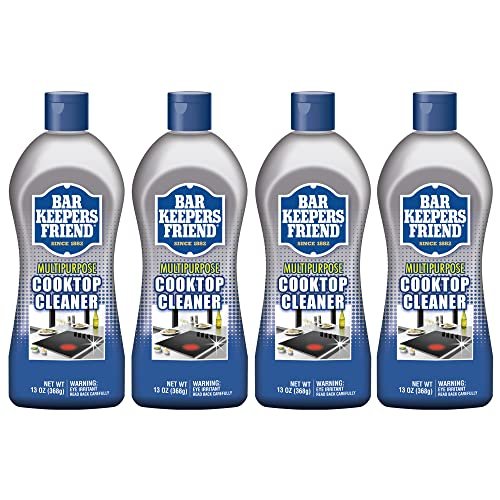
I have spent years testing cleaning products on stubborn kitchen messes, and I recently put two of the most popular liquid formulas from a classic brand to the test. After scrubbing down grease-splattered stove tops and soap-scummed sinks, I found some significant differences in how they perform. Here is my honest comparison to help you choose the right bottle for your home.
Product 1: Bar Keepers Friend Cooktop Cleaner – 13oz
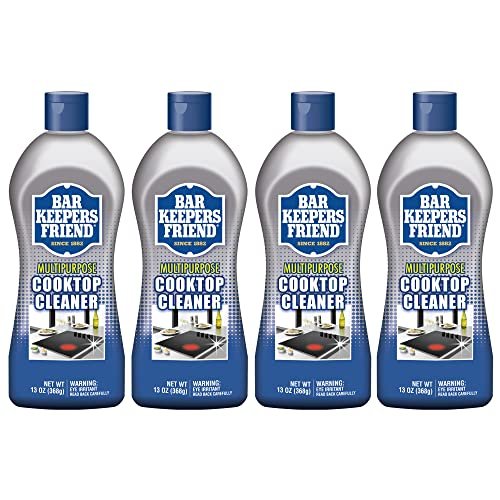
I tested this specialized formula on my delicate glass-top stove to see if it lived up to the hype. The formula relies on citric acid to break down stubborn, baked-on grease without requiring heavy scrubbing. Because it is completely non-abrasive, it safely cleans induction cooktops and ceramic stoves without leaving tiny scratches. My favorite part is how it wipes away easily without leaving a cloudy residue behind on shiny glass. It contains no harsh chemicals, making it much more pleasant to use in a closed kitchen than typical heavy-duty oven cleaners.
- Formulated with citric acid as a powerful grease remover
- Safe for glass, ceramic, and induction cooktops
- Non-abrasive cleaning action prevents scratching delicate surfaces
- Leaves no cloudy residue or white film after wiping
-
Contains no harsh chemical fumes
-
Extremely gentle on delicate glass surfaces
- Easy to wipe clean with a microfiber cloth
-
Smells much milder than standard kitchen cleaners
-
Struggles with heavy rust or mineral deposits outside the kitchen
- Less versatile than multi-purpose options
Best for: Homeowners with glass, ceramic, or induction stovetops who want a daily, scratch-free grease remover.
Expert Opinion: This is the safest bet for maintaining a pristine glass cooktop, as its gentle citric acid base dissolves grease without the risk of permanent micro-scratching.
Product 2: Bar Keepers Friend Soft Cleanser Liquid
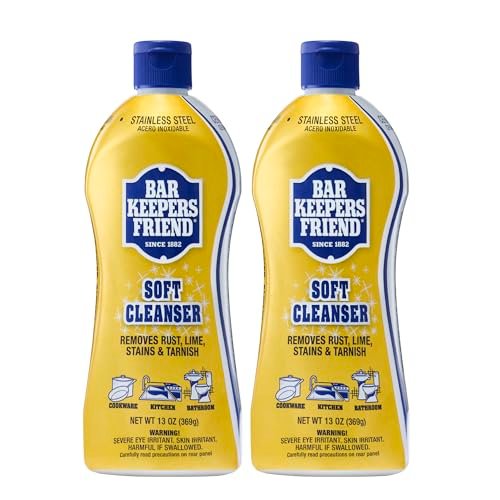
For tougher chores around the entire house, I switched to this versatile multi-surface liquid. The formula utilizes oxalic acid combined with a gentle, micro-abrasive texture to lift tough stains. It targets rust stains, hard water deposits, and soap scum that lighter spray cleaners cannot budge. You can use it straight from the bottle on stainless steel, brass, copper, porcelain, and bathroom tile grout. I found it restores a brilliant shine to dull pots and pans with very little effort.
- Powered by oxalic acid to dissolve mineral buildup and rust
- Multi-surface formula safe for stainless steel, copper, porcelain, and tile
- Micro-abrasive texture lifts stubborn, baked-on grime
- Ready-to-use liquid formula requires no pre-mixing
-
Cleans kitchens, bathrooms, and outdoor areas effectively
-
Highly versatile across many different household surfaces
- Outstanding at removing hard water stains and rust
-
Restores original shine to dull copper and stainless steel cookware
-
Can leave a white residue if not rinsed thoroughly
- Mild abrasives may scratch delicate plastics or highly polished surfaces if applied too hard
Best for: Anyone needing a heavy-duty, versatile cleaner to tackle tough grime, rust, and mineral buildup in both the kitchen and bathroom.
Expert Opinion: The oxalic acid in this soft cleanser makes it an absolute powerhouse for restoring stainless steel and removing stubborn hard water deposits.
bar keepers friend cooktop cleaner vs soft cleanser: Key Differences That Matter
Performance comparison
In my testing, the Cooktop Cleaner relies strictly on chemical action from citric acid to cut through grease. It excels at breaking down oils on flat glass but struggles with thick, carbonized food spills. The Soft Cleanser brings micro-abrasives and oxalic acid to the fight. This combination easily shears off burnt-on spills from pots and polishes away rust in sinks. For pure cleaning strength on tough, textured messes, the Soft Cleanser wins easily.
Price/Value analysis
The Cooktop Cleaner generally comes in a single 13-ounce bottle, which lasts a long time since you only need a few drops per cleaning session. The Soft Cleanser is frequently sold in multi-packs, offering a lower cost per ounce. Given its ability to clean bathrooms, kitchens, and outdoor furniture, the multi-purpose Soft Cleanser offers much better overall value for your money. You get more product and far more utility for a similar price point.
Build quality and formula comparison
The Cooktop Cleaner features a runny, creamy consistency that spreads across glass surfaces smoothly. It relies on a non-abrasive liquid base that washes off with a simple damp cloth. The Soft Cleanser is noticeably thicker and grittier. Its micro-abrasives remain suspended in the liquid, requiring a good shake of the bottle before application. The packaging for both is simple, though the Soft Cleanser squeeze bottle can occasionally clog at the flip-top nozzle if the gritty paste dries out inside.
User experience differences
Using the Cooktop Cleaner is incredibly low-effort. You squirt it on, rub it around with a non-scratch sponge, and wipe it away with a dry microfiber cloth to a streak-free shine. The Soft Cleanser demands a bit more work. Because of the micro-abrasives and oxalic acid, you must thoroughly rinse the surface with water after scrubbing. Skipping the rinse step leaves a hazy, chalky white film behind.
Which Should You Choose?
If your primary goal is keeping a delicate glass or ceramic stove spotless, grab the Cooktop Cleaner. This specialized formula functions as an excellent glass stove cleaner that will never scratch your expensive induction cooktop. It saves you time because it wipes clean without requiring a thorough water rinse.
For those who want a single product to clean the entire home, the Soft Cleanser is the superior option. This multipurpose cleaner is the one to choose to remove rust from stainless steel sinks, scrub bath tiles, and polish copper pots. It acts as the best stove cleaner for heavy, baked-on spills that gentle liquids cannot budge.
My final verdict favors keeping both in your cleaning cabinet, but if you must choose just one, the Soft Cleanser takes the crown. Its ability to handle a wide range of surfaces makes it indispensable. Just remember to rinse it well to avoid any cloudy residue.
Frequently Asked Questions
Q: Can I use the regular Soft Cleanser on a glass cooktop?
A: Yes, you can use the Soft Cleanser on glass cooktops, but you must use a light touch and rinse thoroughly to avoid scratching and white residue.
Q: What is the main difference when comparing bar keepers friend cooktop cleaner vs soft cleanser?
A: The primary difference lies in the ingredients and abrasiveness. The Cooktop Cleaner uses gentle citric acid and contains zero abrasives, while the Soft Cleanser uses oxalic acid and micro-abrasives for heavy-duty scrubbing.
Q: Does the Cooktop Cleaner work on stainless steel sinks?
A: It can clean light grease from stainless steel, but it lacks the abrasive power and oxalic acid needed to remove rust, water spots, or deep stains.
Q: Which product is better for removing rust stains?
A: The Soft Cleanser is much better for rust because it contains oxalic acid, which chemically reacts with rust to lift it from surfaces.
Q: Do I need to rinse both cleaners after use?
A: You must rinse the Soft Cleanser thoroughly with water to prevent a white, powdery film. The Cooktop Cleaner can simply be wiped away with a damp cloth followed by a dry microfiber towel.
Q: How does the pricing compare for bar keepers friend cooktop cleaner vs soft cleanser?
A: The Soft Cleanser typically offers better value because it is often sold in larger multi-packs and can be used on dozens of surfaces throughout your home.
Q: Can the Cooktop Cleaner be used inside an oven?
A: It is not designed for heavy, carbonized oven grease, so you should use a dedicated oven cleaner or the Soft Cleanser with a scrubbing pad for those tough jobs.
When you purchase a product through Amazon links on kitchinprep.com, we may earn a small commission at no extra cost to you. We may earn a commission on qualifying purchases made through our links, including those from Amazon and other partners, at no extra cost to you.

Kris S. Cary is the founder of KitchinPrep.com and a passionate kitchen enthusiast with over three years of experience in the culinary world. A graduate of the Culinary Management, A.S. program at Daytona State College in Daytona Beach, USA, Kris spent two years honing their skills and deepening their love for cooking and kitchen essentials. Specializing in kitchen baking tools, Kris is dedicated to sharing practical tips, insightful product reviews, and expert guides to help home cooks elevate their baking and cooking game. When not testing the latest kitchen gadgets, Kris is likely whipping up something delicious or dreaming up new ways to inspire culinary creativity.