
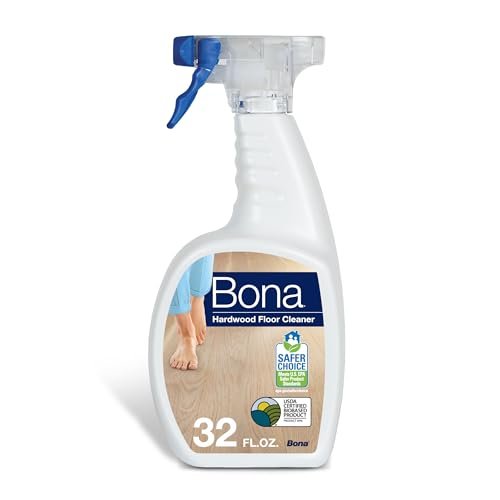
I have spent years testing different cleaning solutions on various wood floors, and I always find myself returning to these two household staples. Bona Hardwood Floor Cleaner and Murphy’s Oil Soap represent two completely different philosophies of wood care. In this comparison, I will share my hands-on experience to help you decide which formula is right for your home.
Bona Hardwood Floor Cleaner Spray
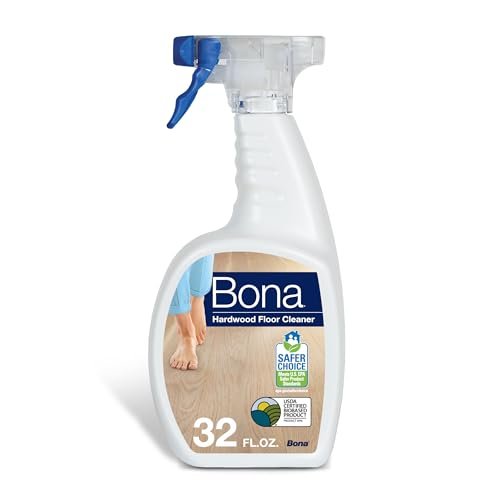
I started using this spray because my modern polyurethane-finished floors needed a gentle touch without leaving a cloudy film. The residue-free formulation is the standout feature here because it lifts dirt without requiring a rinsing step. Because it is a fast-drying solution, you can walk on the floors almost immediately after mopping. The pH-neutral formulation ensures that your expensive wood finish will not degrade or discolor over time. I love that it consists of 95% USDA certified biobased content, making it a safer choice for homes with pets and kids. It is incredibly convenient to spray directly from the bottle and wipe away with a microfiber mop.
- Residue-free and fast-drying formula that protects the natural shine of your wood.
- pH-neutral formulation safe for all unwaxed, polyurethane-finished floors.
- 95% USDA certified biobased content which meets EPA Safer Choice standards.
- Refillable bottle design compatible with Bona economy refills or concentrates.
Pros
- Dries incredibly fast without leaving any sticky residue behind.
- No rinsing required, saving significant time during quick cleanups.
- Safe for pets and children due to its eco-friendly, non-toxic ingredients.
Cons
- Not suitable for older, waxed, or oiled wood floors.
- Cost per ounce is higher than concentrated alternatives.
Best for: Homeowners with modern polyurethane-finished hardwood floors who want a quick, spray-and-go daily cleaner.
Expert Opinion: Bona is the gold standard for modern finishes because it completely avoids the wax buildup that ruins the look of contemporary polyurethane over time.
Murphy’s Oil Soap Wood Cleaner
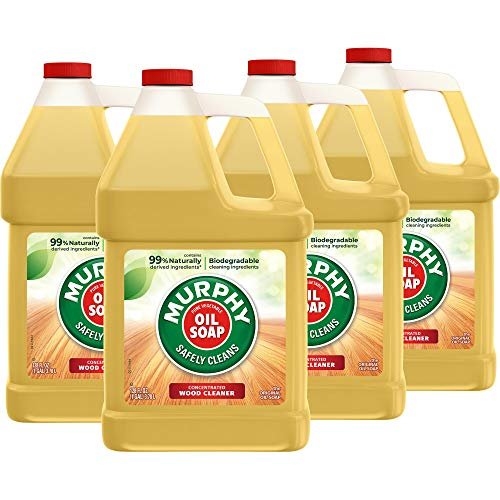
This concentrated liquid takes me back to my childhood with its classic, comforting aroma. It relies on a natural oil soap formula that has been trusted for over eighty years to clean and preserve wood. The concentrated multi-use wood cleaner must be diluted in a bucket of water, making it highly economical for large homes. Because of its traditional formulation, it is a great alternative to harsh chemical sprays like bleach or kitchen cleaners. I find that it excels at deeply conditioning older wood surfaces, paneling, and furniture. You get a deep, nourishing clean that leaves a traditional, clean scent throughout the entire house.
- Concentrated liquid formula that yields gallons of cleaning solution from a single bottle.
- Traditional natural oil ingredients that clean and condition wood without harsh chemicals.
- Multi-use application suitable for floors, wood paneling, cabinets, and wooden furniture.
- Iconic signature scent that has defined clean homes for over eight decades.
Pros
- Highly economical as a tiny amount of concentrate goes a very long way.
- Excellent for older wood finishes that need extra conditioning and moisture.
- Versatile enough to clean kitchen cabinets and wooden furniture as well as floors.
Cons
- Requires a mop bucket and dilution, making quick spot cleans inconvenient.
- Can leave a dull residue or buildup on polyurethane floors if mixed too strong.
Best for: Budget-conscious homeowners with older, traditional, or unwaxed wood finishes who prefer a deep, aromatic cleaning routine.
Expert Opinion: Murphy’s Oil Soap is unrivaled for restoring moisture to older, thirsty wood, but you must measure it carefully to prevent a sticky film on modern finishes.
Bona Hardwood Floor Cleaner vs Murphy’s Oil Soap: Key Differences That Matter
Performance Comparison
When it comes to cutting through daily dust and keeping floors streak-free, the two products behave very differently. Bona is engineered to evaporate almost instantly, lifting light soil without leaving any coating behind. This prevents the cloudy haze that often plagues shiny, modern floors. On the other hand, Murphy’s Oil Soap uses natural oils to lift grime. While this works beautifully to nourish older wood, it can leave a soft residue if your dilution ratio is even slightly off. For newer polyurethane floors, Bona wins on performance. Older, dry wood surfaces will benefit more from the conditioned look that Murphy’s provides.
Price and Value Analysis
The cost difference between these two options is substantial. Bona comes as a ready-to-use spray, which means you are paying for convenience and water content. It runs out relatively quickly if you have a large home with a lot of hardwood square footage. Murphy’s Oil Soap is sold as a highly concentrated liquid. A single bottle can make up to 64 gallons of diluted cleaning solution. If budget is your primary concern, Murphy’s is the undisputed champion of value.
Formulation and Ingredient Quality
The chemical makeup of these cleaners shows two distinct philosophies. Bona utilizes a modern, 95% biobased, pH-neutral formula that is certified by the EPA’s Safer Choice program. It is designed to be as chemically inert as possible on wood finishes, ensuring zero degradation over time. Murphy’s Oil Soap relies on a time-tested, biodegradable vegetable oil base. This vegetable base contains no synthetic surfactants, but the natural oils can act as a mild polish. These formulation differences mean Bona is safer for delicate modern sealants, whereas Murphy’s is gentler on historical, worn woods.
User Experience Differences
Using these products requires entirely different cleaning rituals. Bona offers maximum convenience. You simply grab the lightweight spray bottle, mist the floor, and wipe it down with a flat microfiber mop. There is no heavy bucket to carry, no measuring, and no waiting around for floors to dry. Murphy’s Oil Soap demands more effort. You have to fill a bucket with warm water, measure the concentrate, slosh a traditional mop, and wring it out. It is a more labor-intensive, traditional chore, though many users find the rich scent and the deep clean highly satisfying.
Which Should You Choose?
Select Bona Hardwood Floor Cleaner if you have modern polyurethane finishes and want a quick, hassle-free daily cleanup routine. It is also the ideal choice if you are worried about streaks, hazy residues, or chemicals around crawling toddlers.
Choose Murphy Oil Soap if you are managing a large household with older, historical wood floors that need moisture. It is the perfect choice for traditionalists who love the ritual of bucket-mopping and enjoy the classic wood fragrance.
My testing reveals that neither product is universally superior because they serve different types of wood finishes. If you live in a modern home with sealed, polyurethane hardwood floors, Bona is the safer and more effective option to preserve your floor’s shine. However, if you want an economical, multi-surface solution for older wood cabinets, paneling, and floors, the time-tested power of Murphy’s Oil Soap remains unbeatable.
Frequently Asked Questions
Q: How does the performance of bona hardwood floor cleaner vs murphy’s oil soap compare on modern polyurethane floors?
A: Bona performs much better on modern polyurethane because it dries quickly and leaves zero residue. Murphy’s Oil Soap contains natural oils that can leave a cloudy buildup on synthetic polyurethane finishes over time.
Q: Is there a significant cost difference when analyzing bona hardwood floor cleaner vs murphy’s oil soap?
A: Yes, Murphy’s Oil Soap is far more economical because it is a highly concentrated formula that you dilute with water. Bona is sold ready-to-use, which costs more per fluid ounce but saves you the time of mixing.
Q: Do I need to rinse the floor after using Murphy’s Oil Soap?
A: Rinsing is generally not required if you dilute the soap according to the package instructions. However, if you notice a sticky residue, a quick rinse with clean water will resolve the issue.
Q: Can Bona be used on waxed or oiled wood floors?
A: No, Bona is specifically formulated for unwaxed, polyurethane-finished wood floors. Using it on waxed surfaces might degrade the wax coating or fail to clean effectively.
Q: Is Bona safe to use around pets and young children?
A: Yes, Bona is very safe because it features a pH-neutral formula made of 95% USDA certified biobased content. It is also Safer Choice Certified by the EPA.
Q: Can I use Murphy’s Oil Soap on wood cabinets and furniture?
A: Yes, Murphy’s Oil Soap is a versatile multi-use cleaner. It is excellent for conditioning wood paneling, kitchen cabinets, and wooden furniture in addition to floors.
When you purchase a product through Amazon links on kitchinprep.com, we may earn a small commission at no extra cost to you. We may earn a commission on qualifying purchases made through our links, including those from Amazon and other partners, at no extra cost to you.

Kris S. Cary is the founder of KitchinPrep.com and a passionate kitchen enthusiast with over three years of experience in the culinary world. A graduate of the Culinary Management, A.S. program at Daytona State College in Daytona Beach, USA, Kris spent two years honing their skills and deepening their love for cooking and kitchen essentials. Specializing in kitchen baking tools, Kris is dedicated to sharing practical tips, insightful product reviews, and expert guides to help home cooks elevate their baking and cooking game. When not testing the latest kitchen gadgets, Kris is likely whipping up something delicious or dreaming up new ways to inspire culinary creativity.