
I have tested both of these classic household liquids on everything from greasy kitchen grates to mineral-stained windows. In this deep dive, you will learn how Austin’s Clear Ammonia and Iberia Distilled White Vinegar stack up in terms of cleaning power, safety, and overall versatility. Selecting the right bottle will save you time and prevent you from damaging delicate surfaces in your home.
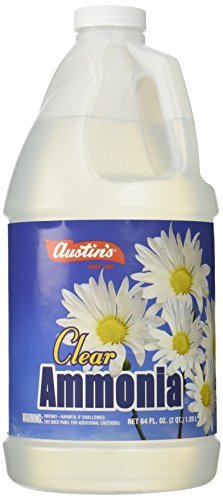
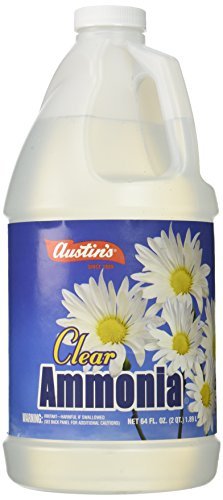
Austin’s 00051 Clear Ammonia Multipurpose Cleaner – 64 Ounce
I always keep a bottle of Austin’s 00051 Clear Ammonia Multipurpose Cleaner in my utility closet for dealing with stubborn grease and heavy grime. This high-strength alkaline agent works incredibly well as a multipurpose cleaner for laundry and general household chores where standard soaps fail. When tackling dirty spots, you simply use full strength, wait a few minutes, and rinse with clear water to lift away stubborn soils. I find it is best for cleaning kitchens, sinks, garbage disposals, and trash cans where rancid odors and grease build up over time. You can even use it on tough, unfinished outdoor areas since it can be used on cement floors without degrading the surface. It is a no-nonsense chemical that strips away wax and grease instantly, though it requires proper ventilation.
Key Features
- Multipurpose formula designed for tough laundry stains and deep household scrubbing.
- Concentrated strength allows you to use it raw or dilute it for delicate jobs.
- Excellent degreasing power makes it perfect for kitchens, sinks, and trash cans.
- Safe for concrete which allows for easy garage floor cleaning.
Pros
- Cuts through heavy kitchen grease and built-up wax effortlessly.
- Highly affordable option for large-scale cleaning tasks.
- Does not leave a cloudy residue on glass when diluted correctly.
- Great for deodorizing stinky garbage disposals and trash bins.
Cons
- Strong, pungent chemical smell requires open windows during use.
- Extremely toxic if accidentally mixed with bleach or chlorinated products.
- Harsh on bare skin and requires protective gloves.
Best for:
Homeowners and DIYers who need a heavy-duty degreaser for kitchens, garages, and laundry stripping.
Expert Opinion: Austin’s Clear Ammonia is an unmatched alkaline degreaser, but you must treat it with respect. Always wear gloves, open your windows, and never mix it with chlorine bleach under any circumstances.
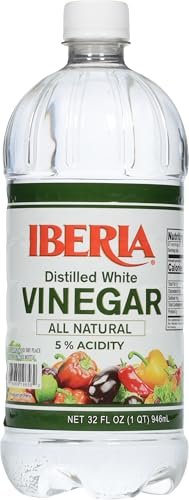
Iberia Distilled White Vinegar, 32 fl oz
When I need a gentle, non-toxic option for the home, Iberia Distilled White Vinegar is my go-to choice. This product shines as a versatile pantry staple that excels at cooking, pickling, and marinating while doubling as a safe cleaning agent. Because it is all-natural and pure, you do not have to worry about harsh synthetic chemicals around your food or pets. I have found it great for cleaning glass to a streak-free shine and naturally deodorizing hard surfaces. The bottle offers exceptional value by giving you a generous amount of liquid for both culinary and household projects. You can trust the trusted quality from Iberia to deliver consistent acidity without any artificial aftertaste or lingering chemical residues.
Key Features
- 100% distilled white vinegar free from artificial additives or preservatives.
- Natural acidity that cuts through hard water stains and mineral buildup.
- Dual-purpose utility works equally well for culinary recipes and household chores.
- Eco-friendly profile makes it completely biodegradable and safe for greywater systems.
Pros
- Safe to use around children, pets, and food preparation surfaces.
- Highly effective at dissolving soap scum and limescale.
- Inexpensive and widely available for everyday cleaning.
- Leaves a clean, neutral scent once the initial vinegar aroma evaporates.
Cons
- Acidic nature can etch natural stone like marble or granite over time.
- Lacks the heavy-duty degreasing power needed for baked-on kitchen grease.
Best for:
Families and eco-conscious cleaners who want a safe, non-toxic, food-grade solution for daily wiping and descaling.
Expert Opinion: Iberia White Vinegar is a fantastic, non-toxic acid that melts away hard water deposits. It belongs in every kitchen, though you should avoid using it on natural stone countertops to prevent permanent etching.
Cleaning Ammonia vs Vinegar: Key Differences That Matter
Performance Comparison
The chemical profiles of these two products sit on opposite ends of the pH scale. Austin’s Ammonia is a powerful alkaline agent. It targets organic fats, proteins, and sticky cooking grease, breaking them down on a molecular level.
Iberia Vinegar, on the other hand, is a mild acetic acid. It works wonders on mineral deposits, hard water spots, and alkaline soap scum. If you are trying to clean a greasy oven hood, vinegar will struggle to cut through the sticky film. Conversely, ammonia will do nothing to dissolve the white crust inside your electric kettle.
Price/Value Analysis
Austin’s offers a massive 64-ounce bottle of concentrated cleaner, which you can dilute heavily for standard chores. This makes it incredibly economical for large households or commercial spaces.
Iberia provides 32 ounces of food-grade liquid. While it is highly affordable, you generally use it full strength for tough cleaning jobs, meaning you will run through the bottle much faster. If pure volume per dollar is your main metric, the bulk ammonia bottle wins.
Packaging Quality Comparison
Bottle design is incredibly important when dealing with strong liquids. Austin’s Ammonia comes in a heavy-duty, opaque plastic jug with a secure, child-resistant cap. This packaging prevents accidental spills of a highly toxic liquid. The handle is sturdy and easy to grip even when your hands are wet.
Iberia Vinegar uses a lightweight, transparent plastic bottle with a simple screw top. Since the liquid is completely non-toxic, the packaging does not require safety locks. It is easy to pour, though the thinner plastic can flex under pressure.
User Experience Differences
Working with these two liquids feels completely different. Cleaning with ammonia requires preparation. I always open the windows, turn on fans, and wear rubber gloves. The fumes are intensely sharp and can irritate your eyes and throat instantly.
Vinegar offers a much more relaxed experience. The sour smell can be strong initially, but it dissipates quickly into a clean, neutral scent. You do not need protective gear to handle vinegar, and accidental splashes on your bare skin will not cause chemical burns.
Which Should You Choose?
Choose Austin’s Clear Ammonia if you need a heavy-duty cleaning solution for serious grease removal, wax stripping, or cleaning garage floors. It is the superior choice for outdoor trash cans and smelly garbage disposals that need deep sanitation. The alkaline strength makes light work of baked-on kitchen oils.
Choose Iberia Distilled White Vinegar if you prefer a natural cleaning method that is safe around kids and pets. This acid is unmatched for descaling coffee makers, shining windows, and dissolving bathroom soap scum. You can also transition it directly to your kitchen counter for culinary preparation.
In my experience, you should keep both bottles in your utility cabinet because they solve entirely different problems. Iberia Vinegar is my daily driver for safe, gentle surface wiping and mineral removal. When things get seriously dirty and greasy, I pull out the Austin’s Ammonia to handle the heavy lifting.
Frequently Asked Questions
Q: When comparing cleaning ammonia vs vinegar, which one is better for removing hard water stains?
A: Vinegar is much better for hard water stains because its acidic nature dissolves calcium and mineral deposits. Ammonia is alkaline and will not dissolve mineral crust effectively.
Q: Is cleaning ammonia vs vinegar safer for households with pets?
A: Vinegar is significantly safer for homes with pets because it is a non-toxic, food-grade substance. Ammonia releases strong, toxic fumes that can irritate the sensitive respiratory systems of cats and dogs.
Q: Can I mix ammonia and vinegar together for a stronger cleaner?
A: No, you should not mix them. Mixing an acid like vinegar with a base like ammonia neutralizes both liquids, rendering them useless, and can create unwanted chemical reactions.
Q: Will vinegar damage my kitchen countertops?
A: Yes, vinegar can etch and dull natural stone surfaces like marble, granite, and limestone. Use a pH-neutral cleaner on stone instead.
Q: Can I use Austin’s Clear Ammonia in my washing machine?
A: Yes, you can add it to your laundry load to help strip body oils, grease, and musty odors from towels and work clothes. Always check fabric care labels first.
Q: Does vinegar kill household mold?
A: Yes, the mild acetic acid in white vinegar can penetrate porous surfaces to kill many common mold species at the root.
Q: Do I need to rinse ammonia off surfaces after cleaning?
A: Yes, you should always rinse ammonia-treated areas with clear water after letting it sit for a few minutes to prevent any chemical residue from remaining.
When you purchase a product through Amazon links on kitchinprep.com, we may earn a small commission at no extra cost to you. We may earn a commission on qualifying purchases made through our links, including those from Amazon and other partners, at no extra cost to you.

Kris S. Cary is the founder of KitchinPrep.com and a passionate kitchen enthusiast with over three years of experience in the culinary world. A graduate of the Culinary Management, A.S. program at Daytona State College in Daytona Beach, USA, Kris spent two years honing their skills and deepening their love for cooking and kitchen essentials. Specializing in kitchen baking tools, Kris is dedicated to sharing practical tips, insightful product reviews, and expert guides to help home cooks elevate their baking and cooking game. When not testing the latest kitchen gadgets, Kris is likely whipping up something delicious or dreaming up new ways to inspire culinary creativity.