
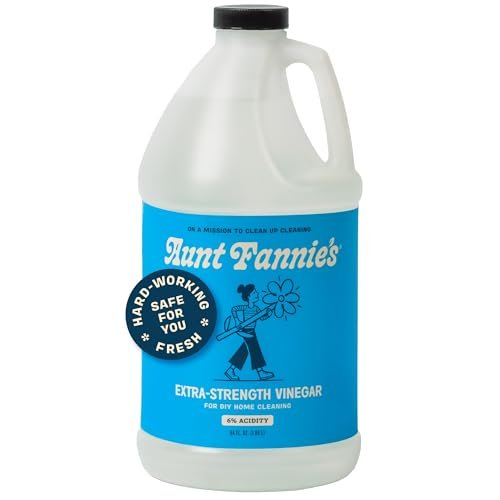
I have spent years testing natural cleaning alternatives in my own home, and I always keep a stock of vinegar-based solutions on hand to tackle tough messes. In my experience, choosing between Aunt Fannie’s Extra Strength Cleaning Vinegar and CPDI All-Purpose White Vinegar Cleaning Solution comes down to understanding your specific cleaning needs. This comparison will help you decide which bottle deserves a permanent spot in your utility closet.
Aunt Fannie’s Extra Strength Cleaning Vinegar
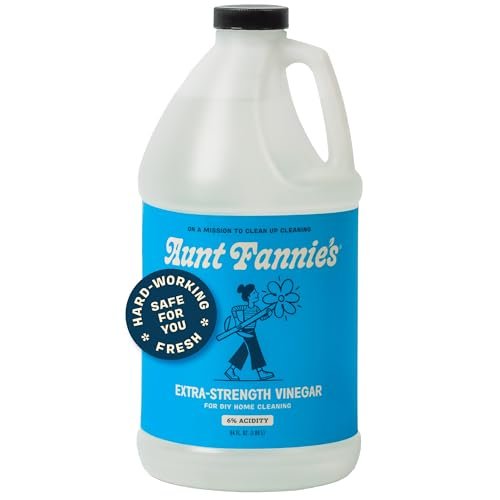
I tested Aunt Fannie’s in my kitchen and bathroom to see how its concentrated formula handled real grime. This product features a 6% acidity level which provides a noticeable step up in strength compared to standard culinary vinegars. Because it contains no added scents, dyes, or other additives, it leaves surfaces completely residue-free. The formula is safe for food contact surfaces like countertops and cutting boards, meaning you can spray it liberally without worrying about chemical contamination. I found that it effectively lifts grease and mineral deposits from stainless steel sinks and tile grout. Best of all, it requires no rinsing after application.
- 6% Acidity Formula: Distilled white vinegar concentrated specifically for tough household cleaning.
- No Additives: Formulated without synthetic fragrances, artificial dyes, or harsh chemical residues.
- Multipurpose Safety: Safe to use on sealed stone, grout, porcelain, painted wood, and food contact surfaces.
- Pet and Kid Friendly: Cruelty-free formula made with natural ingredients that are safe around your family.
-
No-Rinse Performance: Degreases and deodorizes without leaving any sticky film behind.
-
Stronger than grocery store vinegar to tackle tough limescale and hard water build-up easily.
- Safe for homes with sensitive pets and children because of the clean ingredient list.
- Works on multiple surfaces from sealed baseboards to stainless steel.
-
No rinsing required, saving you time during busy cleaning sessions.
-
Has a sharp, lingering vinegar smell due to the lack of masking fragrances.
- Comes in a smaller 64-ounce bottle which might run out quickly during large deep-cleans.
Best for: Homeowners looking for a clean, non-toxic, extra-strength formula to clean food prep areas and pet zones.
Expert Opinion: Aunt Fannie’s offers a reliable, residue-free performance that simplifies kitchen sanitation. Its slightly higher acidity makes a surprising difference on stubborn mineral build-up.
CPDI All-Purpose White Vinegar Cleaning Solution
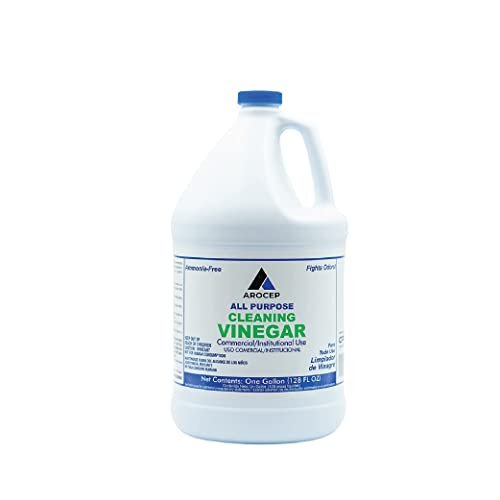
When it came to tackling larger, house-wide projects, CPDI All-Purpose White Vinegar Cleaning Solution proved to be an excellent high-volume option. This product comes in a generous one-gallon jug that makes it highly economical for bulk chore days. I used it to tackle hard water stains on glass shower doors and noticed how quickly it broke down the cloudy build-up. It acts as an effective deodorizer that neutralizes lingering pet odors in carpets and laundry. You can even pour it directly into your washing machine to refresh clothes and towels that have gone musty. It functions as a highly versatile multi-surface cleaner that works on everything from toilet bowls to tile floors.
- One-Gallon Bulk Value: Large packaging designed for frequent, high-volume household and commercial cleaning.
- Limescale Remover: Formulated to slice through tough hard water build-up on bathroom glass and tile.
- Natural Deodorizer: Neutralizes strong smells from pets and musty laundry instead of just masking them.
- Fabric Refresher: Safe to add directly to laundry cycles to soften fabrics and remove sweat stains.
-
Multi-Surface Utility: Works on toilets, kitchen countertops, and heavy-duty tile floors.
-
Incredible value for the volume, making it highly budget-friendly.
- Highly versatile for both hard surface scrubbing and laundry refreshment.
-
Effectively neutralizes stubborn organic pet smells on floors and carpets.
-
The massive one-gallon container is heavy and awkward to pour without a funnel.
- Lacks a precision spray nozzle, requiring you to buy separate spray bottles for daily use.
Best for: Families needing a budget-friendly, bulk-sized solution for heavy-duty laundry, floor washing, and bathroom scrubbing.
Expert Opinion: CPDI is the ultimate workhorse for large households. It offers unmatched value for large-scale cleaning jobs, especially when used in the laundry room.
cleaning vinegar vs regular: Key Differences That Matter
Performance comparison
When comparing performance, Aunt Fannie’s extra strength formula pulls ahead for localized, tough stains. Its 6% acidity cuts through stubborn greasy films in the kitchen faster than the standard concentration. CPDI, on the other hand, excels at covering vast surface areas. I found CPDI highly capable of handling broad bathroom tile walls, though it required a bit more physical scrubbing on heavy limescale.
Price/Value analysis
In terms of budget, CPDI is the clear winner for pure cost efficiency. You get a massive gallon of cleaning vinegar for a fraction of the cost per ounce. Aunt Fannie’s is more expensive per ounce, positioning itself as a premium, ready-to-use spray-bottle refill. If you clean constantly, buying CPDI in bulk will save you significant money over time.
Build quality comparison
Formula purity and concentration define the build quality of these liquids. Aunt Fannie’s is double-filtered and completely free of any extra dyes or additives, ensuring that it leaves zero residue on delicate stone or glass. CPDI is also highly pure, but it is formulated as a heavy-duty industrial-style utility liquid. Both formulas avoid synthetic chemicals, but Aunt Fannie’s feels slightly more refined for sensitive kitchen surfaces.
User experience differences
Using these products daily feels completely different. Aunt Fannie’s is easy to pour into standard spray bottles, and its 64-ounce size fits comfortably under a standard kitchen sink. The giant one-gallon CPDI jug is heavy, clumsy, and prone to spilling if you try to pour it directly onto a sponge. You will definitely need to transfer CPDI to a secondary spray container or bucket to use it comfortably.
Which Should You Choose?
If you want a natural, food-safe formula to wipe down countertops, high chairs, and delicate kitchen surfaces daily, choose Aunt Fannie’s. It is also the ideal choice if you prefer a manageable bottle size that is easy to store and pour. This option works beautifully for quick, targeted cleanups without leaving a streak or film behind.
Select CPDI if you need a high-volume solution to tackle whole-house chores like mopping floors, descaling shower glass, and deodorizing musty laundry. This bulk gallon is perfect for budget-conscious families who do not mind transferring liquid into their own spray bottles.
My final verdict leans toward having both, but if you must choose one, let your main cleaning chore guide you. Aunt Fannie’s provides the refined, high-acidity edge needed for precise kitchen and bathroom polishing. CPDI offers the brute volume and economic value required to maintain an entire household on a budget. Both products prove that you can achieve a sparkling, odor-free home without relying on harsh chemical cleaners.
Frequently Asked Questions
Q: What is the main difference when looking at cleaning vinegar vs regular household vinegar?
A: Cleaning vinegar typically features a higher level of acidity, usually around 6%, compared to the 5% acidity found in standard culinary vinegar. This extra strength makes it much more effective at dissolving mineral deposits, grease, and soap scum.
Q: Can I use cleaning vinegar vs regular vinegar for cooking and food preparation?
A: No, you should never use cleaning vinegar for cooking. Cleaning vinegars are not tested for food safety standards, and they may contain impurities or concentrations that are unsafe to ingest.
Q: Is CPDI vinegar safe to use on hardwood floors?
A: You should avoid using vinegar solutions on unsealed wood floors. The acid can break down the protective finish over time, leaving the wood vulnerable to moisture damage.
Q: Do I need to rinse Aunt Fannie’s cleaning vinegar after using it on kitchen counters?
A: No rinsing is required when using Aunt Fannie’s on sealed surfaces. It evaporates cleanly without leaving behind any sticky or cloudy residue.
Q: Can I put CPDI cleaning vinegar directly into my washing machine?
A: Yes, you can pour a half cup of this vinegar directly into the fabric softener dispenser. It helps break down detergent buildup, softens fabrics, and removes sour smells from towels.
Q: Will these cleaning vinegars damage granite countertops?
A: Yes, acidic cleaners like vinegar can etch natural stone surfaces such as granite, marble, and limestone. It is best to use a pH-neutral cleaner specifically designed for natural stone instead.
Q: How long does the vinegar smell last after cleaning?
A: The sharp scent usually dissipates completely within an hour of drying. Opening a window or running a fan can speed up this process significantly.
When you purchase a product through Amazon links on kitchinprep.com, we may earn a small commission at no extra cost to you. We may earn a commission on qualifying purchases made through our links, including those from Amazon and other partners, at no extra cost to you.

Kris S. Cary is the founder of KitchinPrep.com and a passionate kitchen enthusiast with over three years of experience in the culinary world. A graduate of the Culinary Management, A.S. program at Daytona State College in Daytona Beach, USA, Kris spent two years honing their skills and deepening their love for cooking and kitchen essentials. Specializing in kitchen baking tools, Kris is dedicated to sharing practical tips, insightful product reviews, and expert guides to help home cooks elevate their baking and cooking game. When not testing the latest kitchen gadgets, Kris is likely whipping up something delicious or dreaming up new ways to inspire culinary creativity.