
I have spent years experimenting with both of these household staples in my kitchen, learning the hard way that swapping one for the other can completely ruin a dish. While one brings a gentle sweetness to delicate dressings, the other acts as an aggressive household workhorse. In this comparison, I will share my hands-on experience using Kikkoman Rice Vinegar and Iberia Distilled White Vinegar so you know exactly when to reach for each bottle.
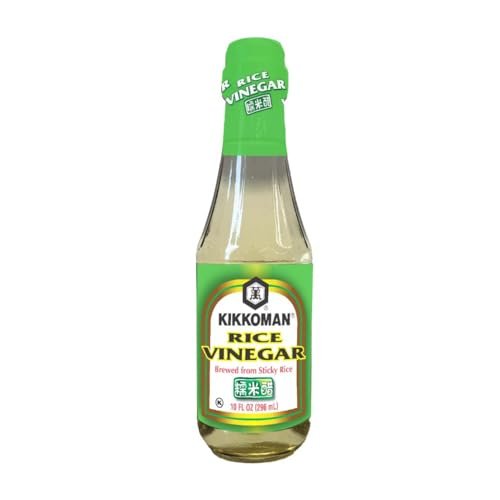
Kikkoman Rice Vinegar, 10 Fl Oz
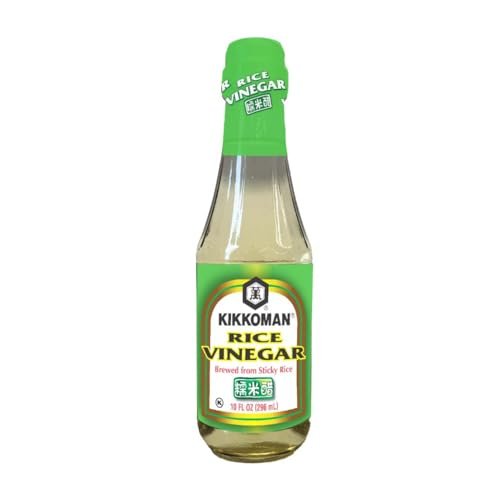
I always keep a bottle of Kikkoman Rice Vinegar nearby when preparing Asian-inspired dishes or light summer salads. This specific blend is diluted with water to 4.2% acidity, making it much milder than your standard household vinegars. Kikkoman brews this with a focus on traditional quality, resulting in a clean, slightly sweet taste that does not overpower delicate ingredients. The lower acidity level ensures it shines in sweet and tangy dressings without causing that sharp, throat-burning sensation. It is also Kosher certified, meaning it meets strict dietary standards for diverse households.
Key Features
- Diluted with water to 4.2% acidity (42 grain) for a smoother taste profile.
- Crafted to high quality standards by Kikkoman, a trusted name in fermented foods.
- Formulated specifically to complement sweet and tangy dishes, salad dressings, and quick pickling.
- Certified Kosher for broad dietary compliance.
Pros
- Soft, mild acidity that does not overpower delicate herbs and vegetables.
- Subtle sweetness that reduces the need for added sugar in vinaigrettes.
- Small, easy-to-pour bottle that fits neatly into crowded spice racks.
Cons
- Acidity is too low for safe long-term home canning.
- Small 10-ounce size runs out quickly if you pickle in large batches.
Best for: Home cooks who want to make restaurant-quality sushi rice, light Asian dressings, and quick-pickled cucumbers.
Expert Opinion: Kikkoman Rice Vinegar is the gold standard for balancing sweet and sour profiles without the harsh chemical bite of stronger grain vinegars.
Iberia All Natural Distilled White Vinegar, 1 Gallon (5% Acidity)
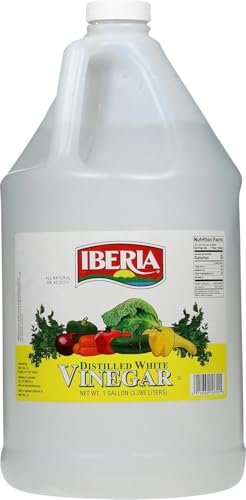
When I need sheer acidic power for preserving food or scrubbing the kitchen, I reach for this massive jug of Iberia All Natural Distilled White Vinegar. This product consists of 100% distilled white vinegar with absolutely no artificial additives or preservatives. With a standard 5% acidity level, it provides the strong sour punch required for traditional pickling and heavy-duty marinades. The cheap price point and bulk 1-gallon size make it highly economical for household use. Because of its pure formulation, it serves as a powerful multi-purpose cleaner alongside its culinary applications.
Key Features
- Pure, all-natural formulation free from artificial additives or preservatives.
- Standardized 5% acidity level ideal for traditional home canning and food preservation.
- Large 1-gallon bulk jug designed for high-volume use.
- Double-duty utility for both kitchen recipes and eco-friendly household sanitization.
Pros
- Exceptional value for money due to the bulk sizing.
- High acidity level kills bacteria and cuts through grease effectively.
- Neutral flavor profile that acts as a blank canvas for pickling spices.
Cons
- The heavy, wide-mouth jug is awkward to pour without spilling.
- Harsh, pungent odor can be overwhelming in small, unventilated spaces.
Best for: Budget-conscious homeowners looking for a single, high-volume liquid for heavy pickling, canning, and chemical-free household cleaning.
Expert Opinion: Iberia Distilled White Vinegar is an essential utility fluid that excels at sanitizing surfaces and preserving food, though its aggressive flavor lacks culinary nuance.
rice vinegar vs white vinegar cleaning: Key Differences That Matter
Performance Comparison
Let us talk about how these two stack up when put to work. Rice vinegar is a delicate culinary tool. Trying to use it to dissolve mineral deposits in your kettle will leave you disappointed and with a sweet, sticky mess. Distilled white vinegar is a powerhouse. Its higher concentration of acetic acid cuts through hard water stains, soap scum, and window grime effortlessly.
Price and Value Analysis
There is a massive gap in cost efficiency here. The Kikkoman bottle is priced as a specialty culinary ingredient, costing significantly more per ounce. Iberia offers an incredibly cheap way to buy acid in bulk. If you need gallons of liquid for weed killing, laundry softening, or bulk pickling, the white vinegar wins the value battle by a landslide.
Formulation and Purity
The raw ingredients define their limits. Kikkoman is brewed from fermented rice and contains residual sugars and complex amino acids. This biological complexity is great for your palate but terrible for cleaning. Iberia is pure, distilled grain alcohol converted into acetic acid and water. It leaves zero residue behind when it evaporates, which is why it is the superior choice for glass and countertops.
User Experience Differences
Using Kikkoman is a pleasant sensory experience. It smells sweet, mild, and inviting. Iberia, on the other hand, will clear your sinuses instantly. I always open a window when using white vinegar to clean my bathroom. The heavy Iberia jug also requires a funnel if you want to transfer it to a spray bottle, whereas the Kikkoman bottle features a narrow neck for precise, drip-free drizzling.
Which Should You Choose?
Choose Kikkoman Rice Vinegar if you want to master Asian cuisine, craft delicate salad dressings, or make quick refrigerator pickles. It is the perfect choice for home chefs who prioritize flavor balance over raw utility.
Choose Iberia Distilled White Vinegar if you need a high-volume solution for home canning, vegetable washing, or eco-friendly household chores. It is the ultimate budget-friendly helper for those tackling heavy-duty cleaning projects.
You really should have both in your home. They serve completely different purposes. Keep the Kikkoman in your pantry to make your tastebuds happy, and store the Iberia under your sink to keep your house sparkling clean.
Frequently Asked Questions
Q: Can I substitute rice vinegar for white vinegar in cooking?
A: Yes, but you must be careful. Rice vinegar is much sweeter and milder at 4.2% acidity, while white vinegar sits at 5% acidity and has a very sharp taste. If you substitute white vinegar, use slightly less and add a pinch of sugar to balance the harshness.
Q: Is there a difference between rice vinegar vs white vinegar cleaning performance?
A: Absolutely. When comparing rice vinegar vs white vinegar cleaning power, white vinegar is the clear winner because its higher 5% acidity cuts through grime easily without leaving any sticky, sugary residue behind.
Q: Can I use rice vinegar to clean my coffee maker?
A: I do not recommend this. Rice vinegar contains natural sugars and impurities from fermented rice that can leave sticky deposits inside your coffee machine, whereas distilled white vinegar runs through cleanly.
Q: Which vinegar is safer for home canning and preserving?
A: Distilled white vinegar with 5% acidity is safer for home canning. Kikkoman rice vinegar has a lower acidity level of 4.2%, which is not strong enough to guarantee the prevention of harmful bacteria growth in long-term food preservation.
Q: Why does rice vinegar smell so much better than white vinegar?
A: Rice vinegar is brewed from fermented rice grains, which creates complex, sweet esters. Distilled white vinegar is made from pure grain alcohol, leaving a harsh, sterile smell of pure acetic acid.
Q: What is the main takeaway regarding rice vinegar vs white vinegar cleaning for windows and mirrors?
A: In the battle of rice vinegar vs white vinegar cleaning for glass, always choose white vinegar. Rice vinegar will leave streaks and attract pests due to its sugar content, while distilled white vinegar evaporates completely to leave a streak-free shine.
Q: Is Kikkoman rice vinegar gluten-free?
A: Yes, Kikkoman rice vinegar is gluten-free as it is made from fermented rice and water, making it safe for those with gluten sensitivities.
When you purchase a product through Amazon links on kitchinprep.com, we may earn a small commission at no extra cost to you. We may earn a commission on qualifying purchases made through our links, including those from Amazon and other partners, at no extra cost to you.

Kris S. Cary is the founder of KitchinPrep.com and a passionate kitchen enthusiast with over three years of experience in the culinary world. A graduate of the Culinary Management, A.S. program at Daytona State College in Daytona Beach, USA, Kris spent two years honing their skills and deepening their love for cooking and kitchen essentials. Specializing in kitchen baking tools, Kris is dedicated to sharing practical tips, insightful product reviews, and expert guides to help home cooks elevate their baking and cooking game. When not testing the latest kitchen gadgets, Kris is likely whipping up something delicious or dreaming up new ways to inspire culinary creativity.